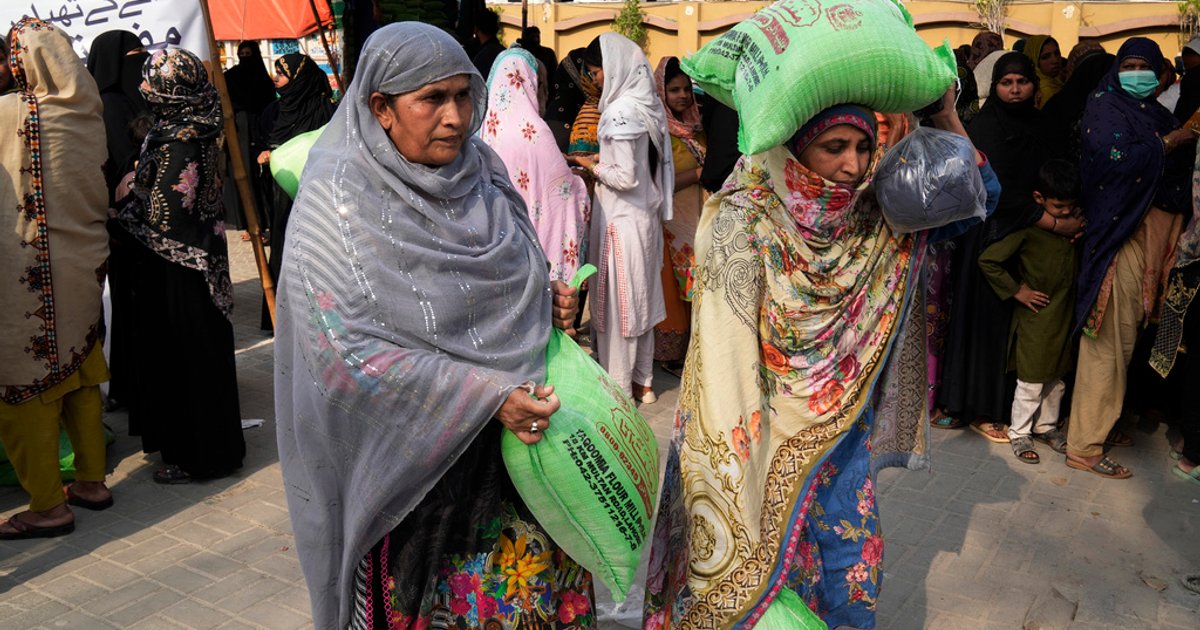
Pakistan's inflation rate has significantly increased to 7.3% year-on-year in March, up from 7% in February, according to data from the Pakistan Bureau of Statistics. This rise comes at a time when the country is facing multiple economic challenges, raising concerns among citizens and economic analysts.
The figures indicate that inflation is continuously rising, affecting the purchasing power of citizens. This situation reflects the increasing pressures on the Pakistani economy, which is suffering from a range of internal and external factors.
Details of the Event
This increase in the inflation rate is an indicator of deteriorating economic conditions in Pakistan. The country has witnessed a rise in the prices of essential goods in recent months, negatively impacting the lives of citizens. This increase is attributed to several factors, including rising energy and food prices, as well as negative effects from global economic crises.
The Pakistani government is facing significant challenges in controlling inflation, as it seeks to implement effective measures to mitigate this crisis. Some experts have pointed to the need for swift actions to reduce inflationary pressures, such as improving local production and boosting investments.
Background & Context
Historically, Pakistan has experienced significant fluctuations in inflation rates, influenced by numerous economic and political crises. In recent years, the country has been suffering from a continuous rise in prices, leading to a decline in citizens' purchasing power. Regional and international crises have exacerbated this problem, making it difficult for the Pakistani government to achieve economic stability.
Moreover, the security and political situation in the country directly impacts the economy. Internal and external tensions affect investments and capital flow, complicating the economic landscape further.
Impact & Consequences
The rise in the inflation rate to 7.3% could lead to serious repercussions for the Pakistani economy. It may result in increased poverty and a decline in living standards, negatively affecting social stability. Additionally, rising prices may compel the government to implement austerity measures, potentially worsening economic conditions.
On the other hand, the continued rise in inflation could impact trade relations with other countries, affecting exports and imports. Therefore, the government needs to take urgent steps to address this crisis and improve the economic situation.
Regional Significance
Pakistan is an important country in the region, playing a pivotal role in many regional issues. The rise in inflation in Pakistan may affect economic relations with Arab countries, especially those that rely on trade with Pakistan. Furthermore, economic crises in Pakistan could impact regional stability, necessitating the attention of Arab nations.
In conclusion, the economic situation in Pakistan requires close monitoring and continuous analysis, as rising inflation poses a significant challenge not only for the country but also for the region as a whole.