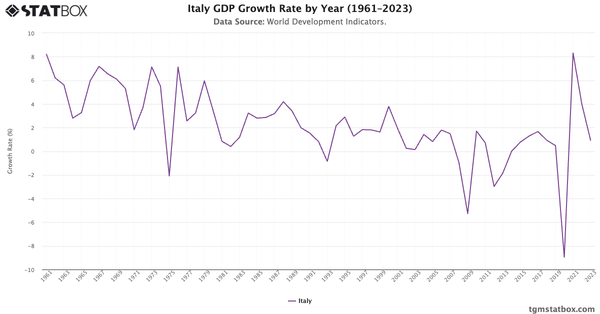
Italy's annual inflation rate has notably increased to 1.5% in February, according to official data released by the Italian National Institute of Statistics. This rise reflects the ongoing economic pressures facing the country, which include rising living costs and supply chain impacts.
This figure serves as a warning to the Italian government, coming at a time when the country is striving for economic stability following the effects of the COVID-19 pandemic. Additionally, rising inflation rates may impact citizens' purchasing power, increasing pressures on low-income families.
Details of the Event
Reports indicate that the increase in the inflation rate is attributed to several factors, including rising energy and food prices. Italy, like many European countries, has seen an increase in energy costs due to geopolitical crises and supply challenges.
The Italian government also faces additional challenges related to infrastructure investment and economic growth enhancement. Experts have noted that this increase in inflation may lead to stricter economic measures from the European Central Bank.
Background & Context
Historically, Italy has experienced fluctuations in inflation rates, significantly affected by global economic crises. In recent years, there have been increasing efforts from the government to enhance financial stability and stimulate growth, but current challenges may hinder these efforts.
Italy is one of the largest economies in the Eurozone, and thus any changes in inflation rates could impact the European economy as a whole. In recent years, attempts have been made to overcome economic challenges through structural reforms, but results remain mixed.
Impact & Consequences
The rise in the inflation rate may lead to increased interest rates, affecting loans and personal financing. This could negatively impact investments and businesses, as companies may hesitate to make new investment decisions.
Additionally, rising living costs may lead to a decline in domestic consumption, affecting economic growth. Under these circumstances, the Italian government may find itself compelled to take urgent measures to support affected families and bolster the economy.
Regional Significance
The economic situation in Italy holds particular importance for the Arab region, as many Arab countries rely on trade and investment with European nations. Any changes in the Italian economy could affect trade and economic relations between the two sides.
Furthermore, rising inflation rates in Italy may have indirect effects on the prices of essential goods in Arab markets, increasing pressures on families in the region.
In conclusion, the inflation rate in Italy remains a vital topic that requires close monitoring, as its effects may extend beyond Italian borders, necessitating responses from governments and stakeholders worldwide.