Inflation rates in the Philippines surged in March, exceeding expectations as they rose to 4.1%, surpassing the central bank's target range of 2% to 4%. This increase is primarily attributed to a sharp rise in fuel prices, coinciding with escalating geopolitical tensions in the Middle East.
According to official data released on Tuesday, the headline inflation saw a significant increase compared to 2.4% in February, which is above the average forecast of analysts in a Reuters survey that estimated 3.7%. This level marks the highest since July 2024.
Details of the Event
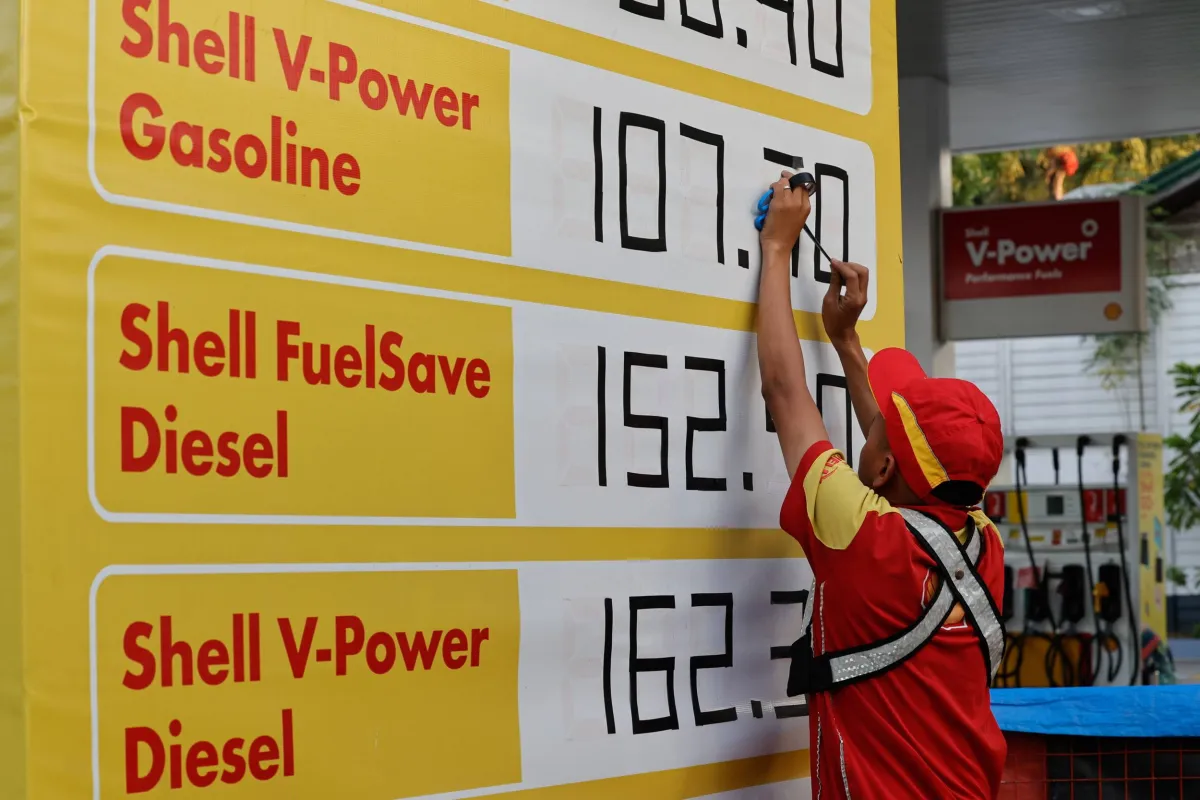
On a monthly basis, inflation rose by 1.4%, the fastest pace since January 2023, reflecting increasing price pressures. The transportation sector was the main driver of this increase, with diesel prices soaring by 59.5% year-on-year, while gasoline prices rose by 27.3%, marking the fastest growth rates since the global energy crisis in September 2022.
As a result, the transportation index increased by 9.9% year-on-year, the largest rise since the beginning of 2023. The Philippines is one of the countries most vulnerable to supply shocks and price fluctuations due to its heavy reliance on imported oil from the Middle East.
Background & Context
Under these circumstances, core inflation, which excludes food and energy, rose to 3.2% in March from 2.9% in February. The Bangko Sentral ng Pilipinas (BSP) indicated that it held the key interest rates steady at 4.25% during an unexpected emergency meeting on March 26, emphasizing that its policy would focus on addressing the secondary effects arising from global oil price shocks.
The next monetary policy review is scheduled for April 23, raising questions about how the central bank will respond to these increasing challenges.
Impact & Consequences
Economists have warned that rising energy prices could lead to increased inflationary pressures in the Philippines, potentially negatively impacting the local economy. There are also concerns that consumers and businesses may rush to adjust their expectations, demanding higher wages and prices, which would raise the cost of curbing inflation later.
In this context, European Central Bank Governing Council member Dimitar Radev confirmed that inflation expectations in the Eurozone face the risk of rising at a faster pace, reflecting the uncertainty prevailing in global markets.
Regional Significance
The Philippines is particularly affected by geopolitical tensions in the Middle East, as it heavily relies on imported oil. This situation could impact global oil prices, which would reflect on the economies of Arab countries that depend on oil exports. Additionally, continued high energy prices may lead to increased inflationary pressures in the region's countries.
In conclusion, the rise in inflation in the Philippines signals the economic challenges faced by many countries amid current global conditions, necessitating effective measures to address these challenges.