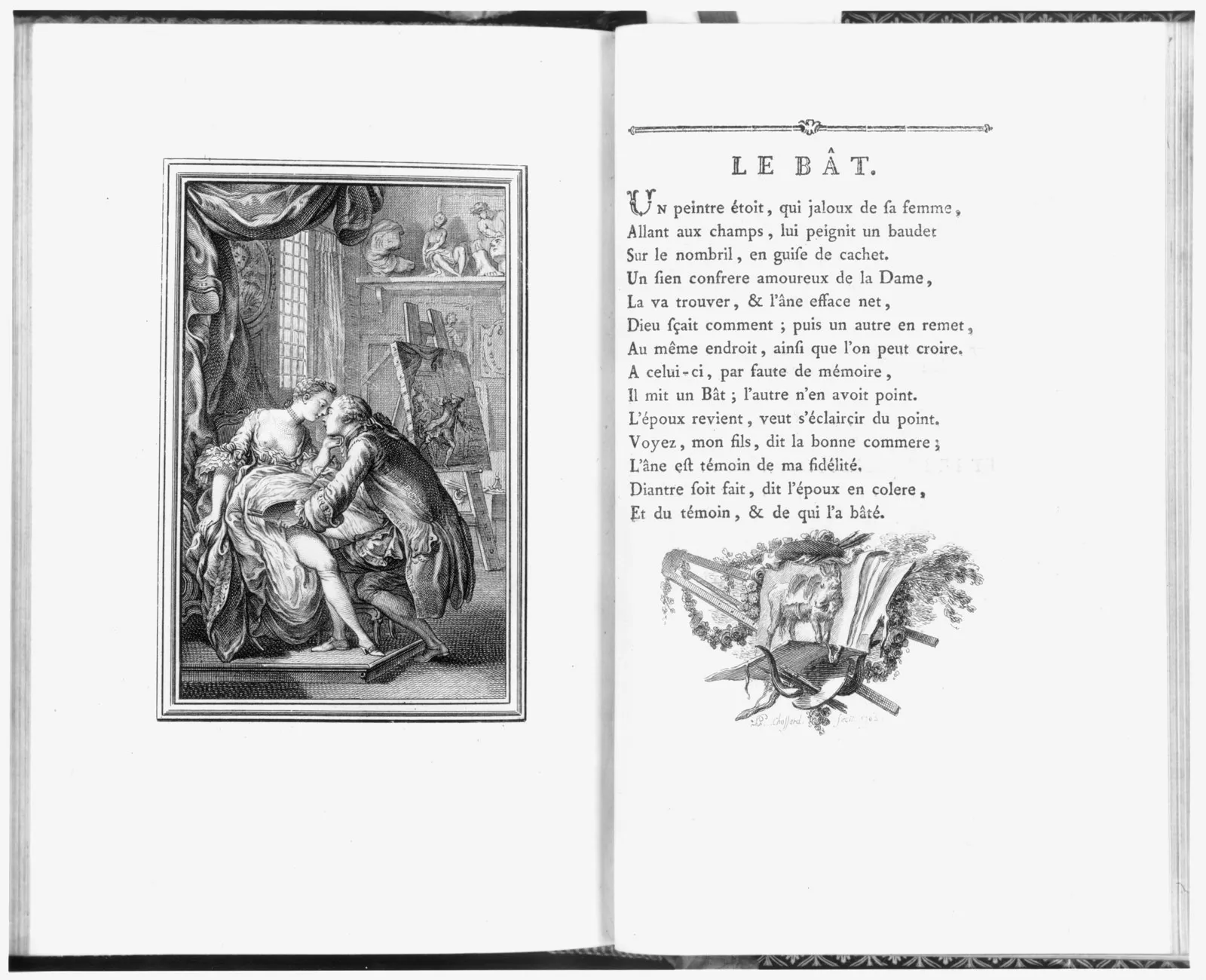
On the last Sunday of each month, the correction department of the French newspaper "Le Monde" presents a collection of phrases and expressions that reflect the richness of the French language. This time, the spotlight is on the words of the renowned writer Jean de La Fontaine. La Fontaine is considered one of the most prominent writers in the history of French literature, leaving a clear mark on the language through his stories that carry deep moral lessons.
La Fontaine's fame stems from his unique style of storytelling, where he used animals as main characters to convey important human messages. Many of his expressions and ideas have become part of the daily lives of the French, reflecting his profound influence on French culture.
Event Details
In an effort to highlight La Fontaine's influence, the correction department at "Le Monde" has compiled a collection of phrases he used in his stories, which are now commonly employed in French conversations. Among these expressions are proverbs that reflect moral values, such as "the wolf in sheep's clothing," which is used to refer to someone who appears nice while hiding bad intentions. These phrases are not just words; they reflect a complete culture and a rich history.
These expressions include proverbs that encapsulate ethical values, making them resonate with people's hearts. They serve as reminders of the wisdom and human experiences that La Fontaine sought to convey through his fables.
Background & Context
Jean de La Fontaine, born in 1621 and died in 1695, is regarded as one of the greatest fable writers in history. His works reflect the social and political tensions of his time, using animals as symbols for different social classes. Through his stories, La Fontaine was able to demonstrate how narratives can reflect reality and impart lessons.
His works were influenced by many earlier writers, but he managed to add his unique touch, making him a pioneer in this field. His stories have been translated into numerous languages, indicating his global impact.
Impact & Consequences
The influence of La Fontaine on the French language illustrates how literature can transcend the boundaries of time and culture. The phrases he used have become part of daily life, showcasing literature's ability to shape language and culture. This phenomenon is not limited to French literature; similar occurrences can be found in other cultures where literary phrases are used daily.
La Fontaine's influence also extends to other fields, such as education, where his stories are used to teach moral values to children. This application demonstrates how literature can contribute to building society and shaping values.
Regional Significance
Although La Fontaine is considered a French writer, his influence extends to the Arab world as well. Many of the phrases he used are found in Arabic literature, reflecting the cultural exchange between civilizations. The stories that carry moral lessons are also part of the Arab heritage, showcasing how literature can bridge different cultures.
In conclusion, Jean de La Fontaine is a symbol of literature that transcends borders, with his words and ideas used everywhere, demonstrating the power of literature in shaping language and culture.