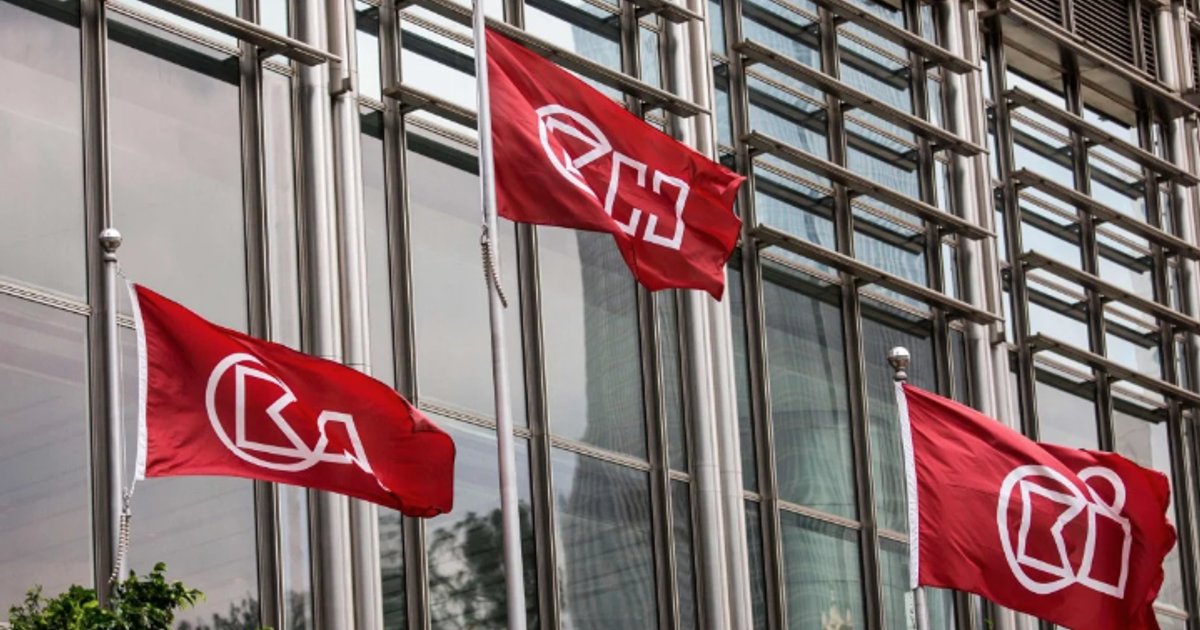
CK Hutchison Holdings Ltd. has launched arbitration proceedings against A.P. Moller-Maersk A/S after the Panamanian government took over its ports in the country. This legal dispute reflects the growing tensions between global corporations and nations striving to strengthen their control over strategic assets.
The move came after the Panamanian government executed a forced acquisition of the ports, provoking strong reactions from CK Hutchison, which is considered one of the largest port operating companies in the world. The company views this acquisition as a violation of its legal rights and detrimental to its investments in the region.
Details of the Dispute
Through arbitration, CK Hutchison aims to regain control over its assets, with reports indicating that the dispute may extend over a prolonged period. This case represents a significant test of the relationships between major corporations and the host nations, especially given the current economic conditions faced by many countries.
Informed sources have reported that the Panamanian government justified its acquisition of the ports by citing the need to protect national interests and bolster the local economy. However, this action may raise concerns among foreign investors and impact Panama's reputation as an investment destination.
Background & Context
Historically, Panama has witnessed numerous disputes related to foreign investments, particularly in the transportation and shipping sectors. The ports in Panama are vital assets that connect the Atlantic and Pacific Oceans, making them a strategic point for global trade. In recent years, the Panamanian government has intensified its efforts to assert control over these assets, leading to tensions with foreign companies.
The ongoing arbitration could serve as a critical precedent for how similar disputes are handled in the future, especially in regions where foreign investment is crucial for economic development. The outcome of this case may influence not only CK Hutchison's operations but also the broader landscape of international business in Panama.
Impact & Consequences
This case could lead to far-reaching implications for trade and investment in the region. If CK Hutchison succeeds in regaining control of its ports, it could enhance confidence in the business environment in Panama. Conversely, if the Panamanian government maintains its stance, it may result in a decline in foreign investments in the country.
Moreover, the outcome of this arbitration may set a precedent for how governments interact with multinational corporations, potentially affecting future investments and partnerships. Investors will be closely monitoring the developments of this case to gauge the stability of the investment climate in Panama.
Regional Significance
The implications of this dispute extend beyond the immediate parties involved, as it underscores the delicate balance between national sovereignty and foreign investment. Countries in the region may draw lessons from this situation, particularly in how they manage their relationships with international businesses.
As Panama navigates this complex legal landscape, the resolution of this case could either reinforce its position as a favorable investment hub or deter potential investors wary of government intervention in private enterprises.