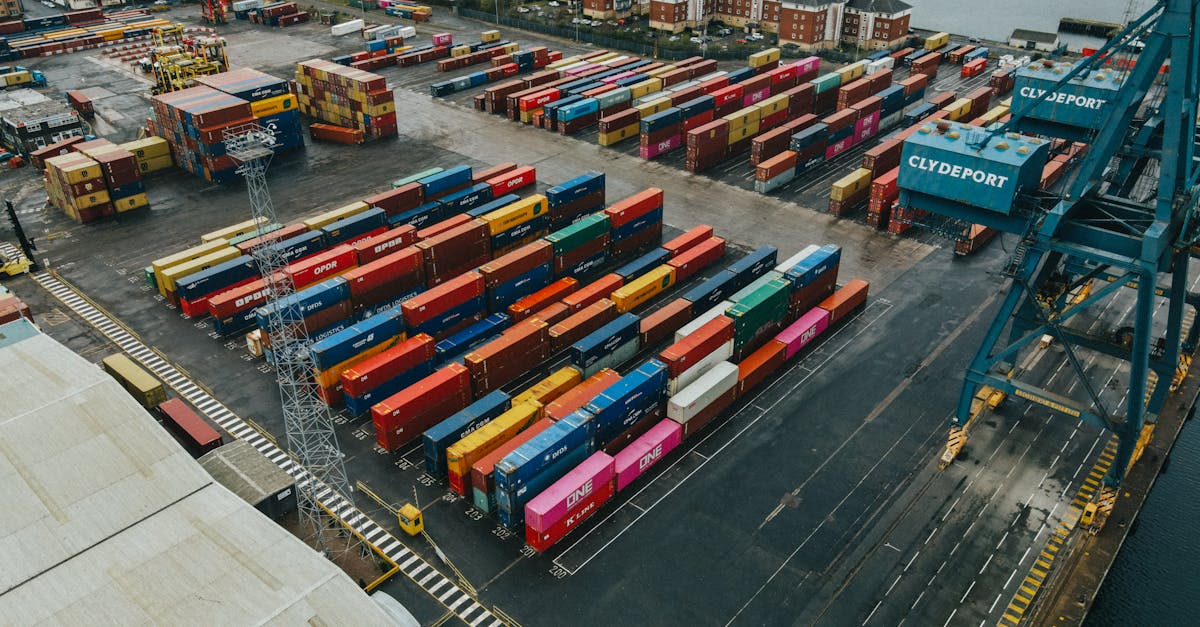
Authorities have announced the commencement of container unloading operations at ports, reflecting efforts to improve maritime trade efficiency. This initiative aims to accelerate the movement of goods and bolster the local economy.
The process of unloading containers is a vital operation that plays a fundamental role in facilitating international trade. This process helps reduce the time spent on loading and unloading goods, which leads to increased port efficiency and improved service levels for customers.
Details of the Initiative
This step is part of a comprehensive plan aimed at developing ports and enhancing their competitiveness. Ports have been equipped with the latest technologies and necessary equipment to facilitate the unloading process, contributing to cost reduction and increased speed of logistical operations.
Furthermore, port workers have been trained to use these modern technologies, reflecting the commitment of the relevant authorities to provide a safe and efficient working environment. These improvements are expected to attract more foreign and local investments.
Background & Context
Historically, container unloading operations have faced numerous challenges, including congestion at ports and a lack of modern equipment. With the increasing volume of global trade, it has become essential to improve these operations to meet market demands.
In recent years, many countries have witnessed significant transformations in the maritime transport sector, updating their infrastructure and adopting new technologies. These transformations have contributed to improving port efficiency and increasing their capacity to handle growing volumes of goods.
Impact & Consequences
The container unloading process is expected to enhance the performance of the local economy by increasing trade volume and facilitating the movement of goods. This step will also strengthen the ports' ability to compete in the global market.
Moreover, improving port efficiency will help reduce logistical costs, positively impacting the prices of goods and services. These enhancements may also lead to the creation of new job opportunities in the transport and logistics sectors.
Regional Significance
Arab ports are among the most important trade points in the region, playing a pivotal role in connecting global markets. Improving container unloading operations at these ports will contribute to enhancing intra-Arab trade.
This step may also encourage the development of new projects in maritime transport, fostering economic integration among Arab countries and increasing their competitiveness in global markets.
In conclusion, the container unloading process represents an important step towards improving maritime trade efficiency and enhancing the local economy. These improvements are expected to yield positive results in the long term.