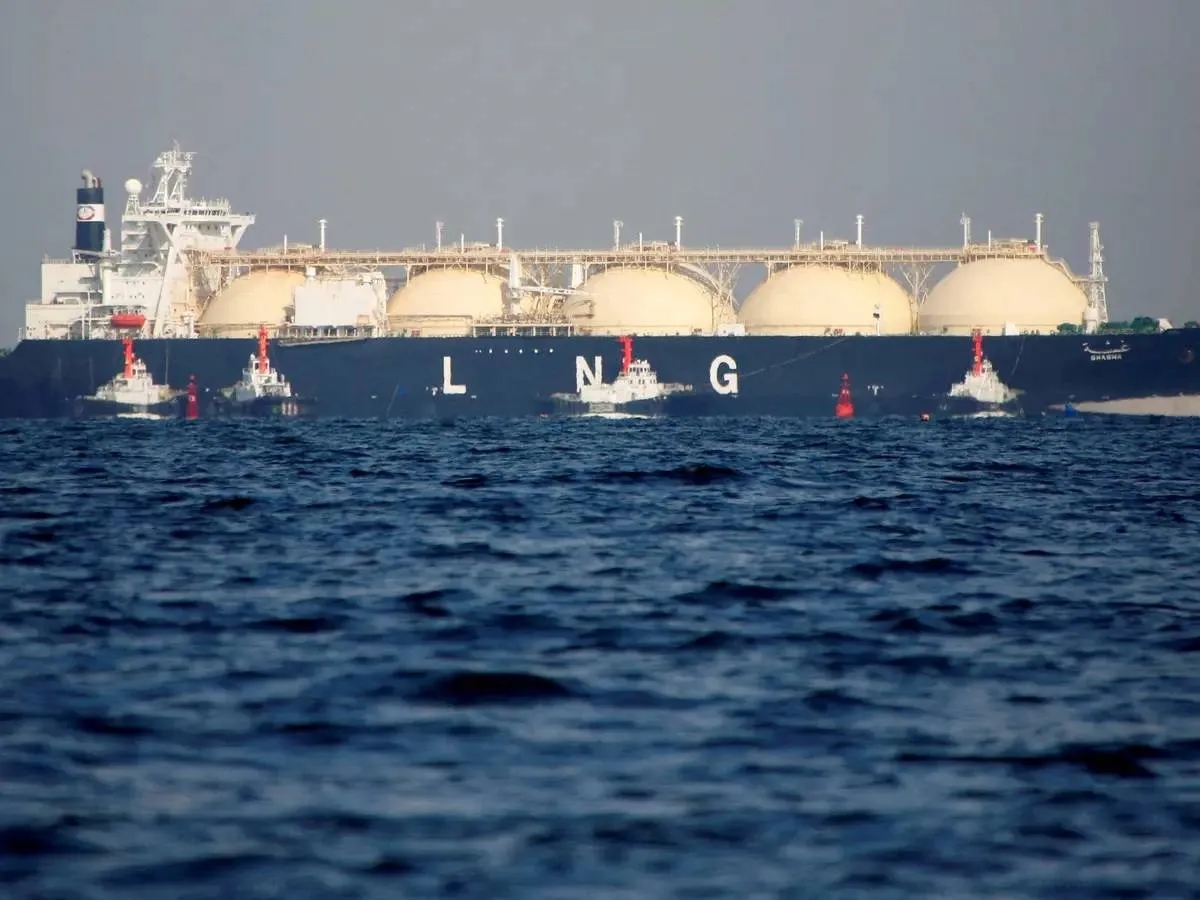
The German state-owned supplier, 'CIVI', has announced the initiation of its first liquefied natural gas shipments from the Sultanate of Oman to Germany, amid ongoing tensions arising from the war in Iran. A spokesperson for the company confirmed that shipments are proceeding as scheduled, indicating that there are no current concerns regarding future shipments.
This move follows the signing of a sales and purchase agreement between Oman Liquefied Natural Gas and 'CIVI' in March 2024. Oman is committed to supplying the German company with 0.4 million metric tons of liquefied natural gas annually starting from 2026.
Details of the Shipment
These shipments represent a strategic step for Oman in enhancing its international energy partnerships, especially in light of the challenges facing global markets. The spokesperson from 'CIVI' noted that the shipments have not been affected by the ongoing developments in the Gulf region, reflecting Oman's ability to secure gas supplies during times of crisis.
It is worth mentioning that this agreement comes at a time when the world is witnessing a significant rise in energy prices, increasing the importance of natural gas as a sustainable alternative to traditional energy sources. Many European countries have shown growing interest in liquefied natural gas as a means to reduce dependence on unsustainable energy sources.
Context and Background
This step coincides with escalating tensions in the Middle East, where the war in Iran has heightened concerns about the stability of global energy supplies. The Bank of England, in its latest report, indicated that the conflict in the Middle East could lead to negative supply shocks, impacting the global economy as a whole.
The bank also noted that rising oil prices could lead to increased inflation, placing additional pressures on economic growth in many countries. In this context, the gas shipments from Oman to Germany are a significant step towards enhancing energy security in Europe.
Impact and Consequences
These shipments are expected to positively influence economic relations between Oman and Germany, as both countries seek to enhance cooperation in the energy sector. Additionally, this agreement may open new avenues for collaboration between Arab countries and European nations in sustainable energy fields.
Moreover, this step could contribute to reducing European reliance on Russian gas, thereby enhancing energy security on the continent. With ongoing tensions in the Middle East, the need for alternative energy sources remains urgent.
Significance for the Arab Region
These shipments exemplify how Arab countries can leverage their natural resources to strengthen economic ties with major nations. Oman's success in securing this agreement may encourage other countries in the region to explore similar opportunities in the natural gas sector.
In light of global economic challenges, the importance of Arab cooperation in the energy sector emerges as a means to enhance economic stability in the region. These shipments are expected to bolster Oman's position as a key supplier of natural gas in global markets.