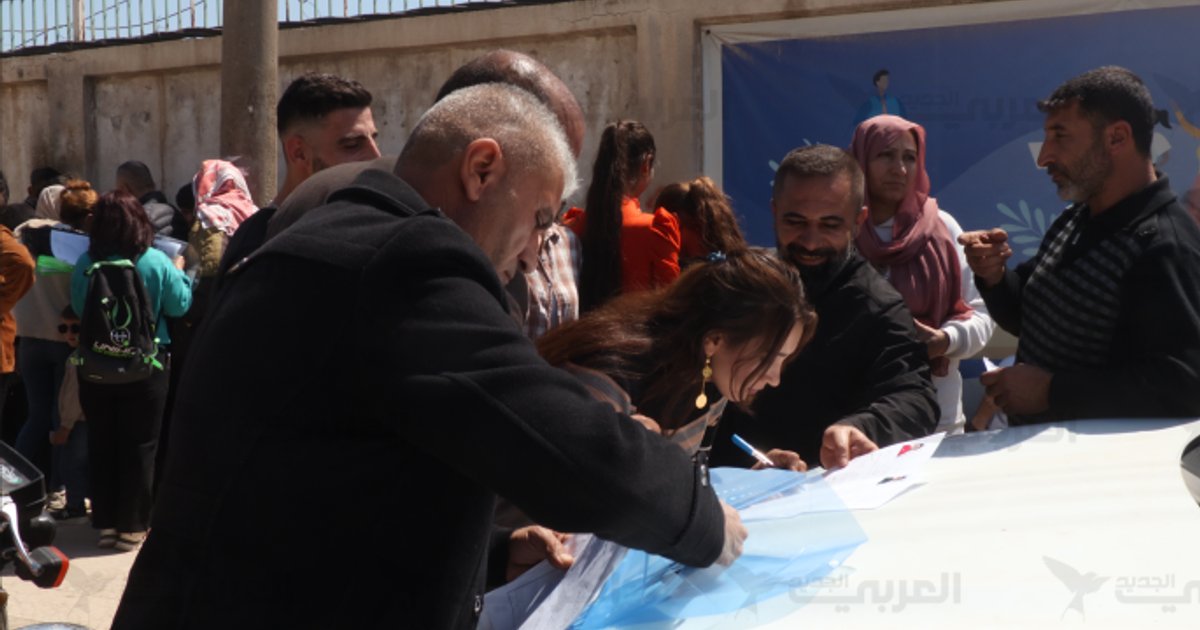
Syrian authorities have announced the initiation of procedures to accept applications from stateless individuals in the city of Al-Hasakah for Syrian citizenship. This step comes after years of legal marginalization and is considered a long-awaited humanitarian and legal transformation for tens of thousands of Kurds who have been unable to register themselves in official records.
This process targets individuals who have lived in Syria for decades without obtaining official documents to prove their identity, which has affected their fundamental rights. The announcement of this initiative comes at a time when the country is facing significant economic and social challenges, thereby increasing the importance of these measures in enhancing social stability.
Details of the Initiative
The new procedures include facilitating the application process, allowing stateless individuals to visit designated centers in Al-Hasakah to submit their documents. Local sources have confirmed a significant turnout from Kurds at these centers, reflecting the importance of this step for them.
This initiative follows years of demands from civil society and human rights activists, who have called for the recognition of the rights of Kurds in Syria. This step may represent a new beginning in addressing issues of identity and citizenship in the country.
Background & Context
Over the past decades, Kurds in Syria have faced significant challenges related to identity and citizenship. In 1962, a census was conducted that deprived many Kurds of Syrian nationality, leaving them in a state of legal uncertainty.
Historically, there have been multiple attempts to resolve this issue, but they have not yielded tangible results. With the outbreak of the conflict in Syria in 2011, pressures on Kurds increased, prompting them to seek greater recognition of their rights.
Impact & Consequences
This step is considered a positive move towards enhancing human rights in Syria and may contribute to improving relations among various social components in the country. It could also pave the way for more legal initiatives aimed at addressing identity issues.
These measures are expected to impact the social and economic situation of Kurds, as they will enable them to obtain basic rights such as education, healthcare, and legal employment.
Regional Significance
The issues of identity and citizenship are sensitive topics in many Arab countries, where certain groups suffer from marginalization and lack of recognition. The Syrian experience could serve as a model for addressing similar issues in other nations.
Amid the political and economic crises plaguing the region, this step may contribute to enhancing social stability, which is vital for achieving peace and sustainable development.
In conclusion, the initiation of the naturalization process for stateless Kurds in Syria is a historic step towards recognizing the rights of Kurds and may lead to positive changes in the Syrian society as a whole.