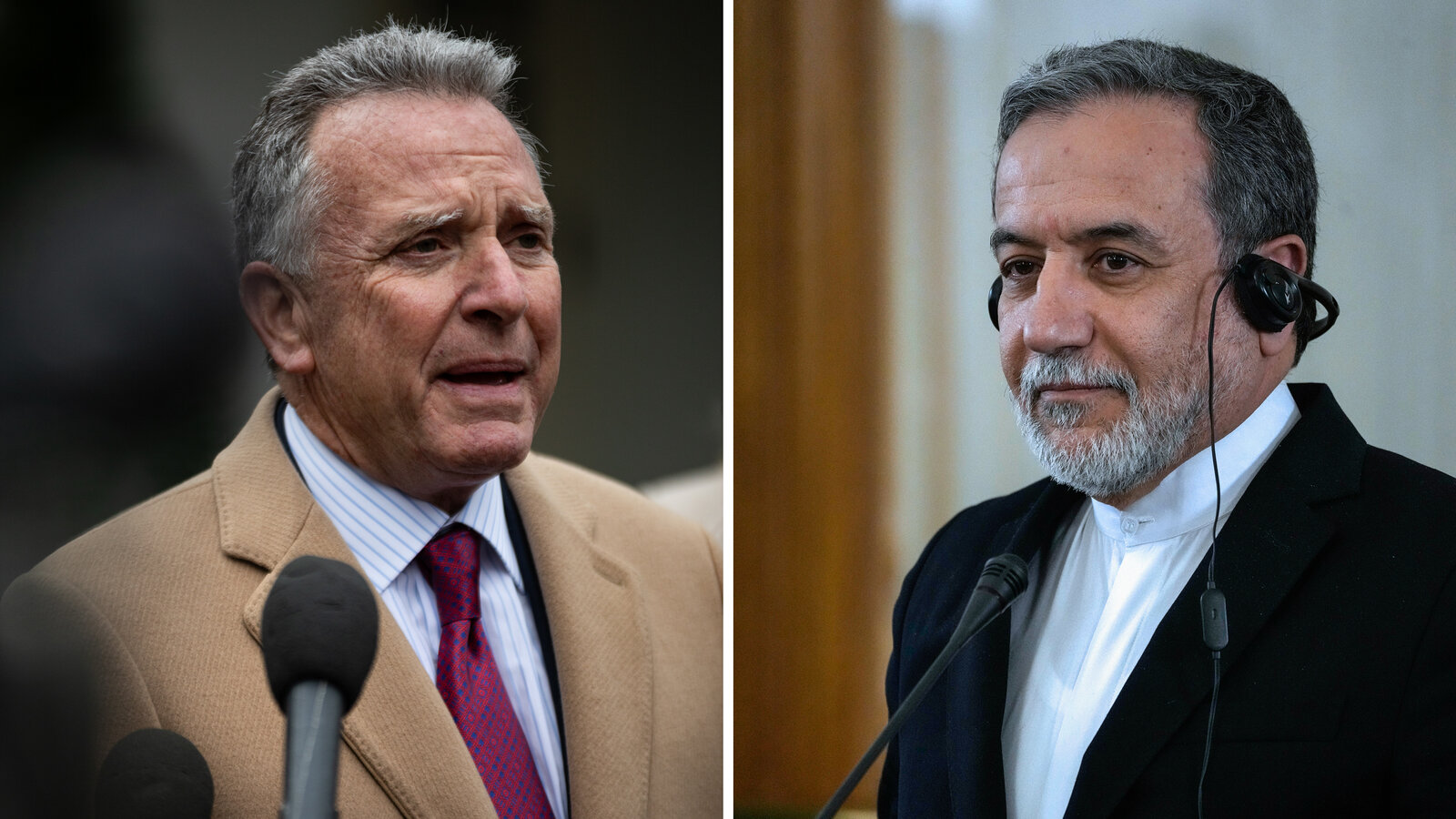
Pakistan hosted quad talks with Turkey, Egypt, and Saudi Arabia in a bid to end the ongoing war in Iran. The initial discussions centered on ways to resolve the conflict, as well as proposals to reopen the Strait of Hormuz, which is considered one of the world's most vital maritime corridors, for maritime navigation.
These talks come at a sensitive time as the region faces increasing tensions due to the Iranian conflict. Pakistan, which seeks to expand its role as a regional mediator, has expressed its readiness to provide the necessary support to achieve peace and stability in the region.
Details of the Event
The talks took place in the Pakistani capital, Islamabad, where the foreign ministers of the four countries convened to discuss ways to end the conflict. Several proposals were discussed, including enhancing economic cooperation among the involved nations and activating direct dialogue mechanisms between the conflicting parties.
Moreover, the importance of reopening the Strait of Hormuz was emphasized, as it is a vital artery for global oil trade, with approximately 20% of the total oil transported by sea passing through it. Previous closures of the strait raised significant concerns about rising oil prices and their impact on the global economy.
Background & Context
Historically, relations between Iran and its neighboring countries have been marked by ongoing tensions, especially with the escalation of conflict in recent years. Iranian policies, including support for armed groups in the region, have exacerbated the situation. Additionally, the international sanctions imposed on Iran due to its nuclear program have complicated the situation further.
Pakistan, which enjoys good relations with all parties involved, hopes that these talks will contribute to progress towards peace. Pakistan has previously played a mediating role between other countries in the region, reflecting its ability to positively influence regional crises.
Impact & Consequences
If these talks succeed in achieving tangible progress, it could lead to a radical change in the regional landscape. Ending the Iranian war could open new avenues for economic and political cooperation among the four nations and enhance stability in the Middle East.
Furthermore, reopening the Strait of Hormuz for maritime navigation will positively affect oil prices and global trade, which could reflect on the economies of the involved countries. This development may also contribute to reducing military tensions in the region and enhance the prospects for peaceful dialogue.
Regional Significance
These talks hold particular importance for Arab countries, as Iran's stability directly affects regional security. The success of these efforts could enhance cooperation between Arab nations and Iran, potentially leading to improved relations that have been strained in recent years.
Additionally, the stability of the Strait of Hormuz has direct implications for Gulf countries, which heavily rely on oil exports through this corridor. Therefore, any positive developments in these talks could benefit all parties involved.
As the world watches closely for the outcomes of these discussions, there is hope that they will yield concrete steps towards ending the Iranian conflict and achieving peace in the region.