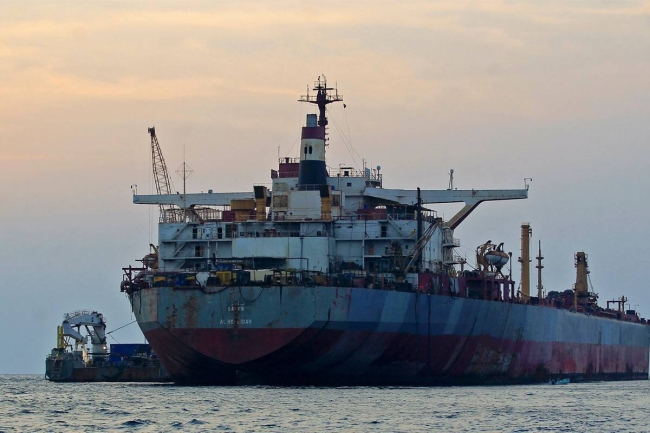
The Libyan Government of National Unity has initiated salvage operations for the Russian gas tanker 'Arctic Metagas', which has been adrift in the waters off the coast of Zuwara since early March. This move comes after increasing warnings of a potential environmental or maritime disaster resulting from gas or toxic material leaks from the damaged ship.
This step is deemed necessary given the risks threatening the marine environment in the region, where concerns have grown about negative impacts on marine life and natural resources. Local authorities and environmental organizations have expressed their worries about the potential damage that could be inflicted on coral reefs and fish populations.
Details of the Incident
The salvage operations for the 'Arctic Metagas' are taking place at a critical time, as the vessel had suffered an accident at sea, leading to its drift towards Libyan shores. Specialized teams have been commissioned to carry out the salvage, with all necessary precautions taken to prevent any gas or chemical leaks.
The Libyan government is striving to address this crisis swiftly, having established a comprehensive plan to manage the situation, including coordination with international and local entities to ensure the safety of the marine environment. Civil protection teams have also been deployed to monitor the situation closely.
Background & Context
Historically, the Libyan coasts have witnessed numerous maritime incidents, but the 'Arctic Metagas' accident occurs at a sensitive time when the country is grappling with internal conflicts and economic crises. Libya is one of the resource-rich countries, yet it faces significant challenges in sustainably managing these resources.
It is noteworthy that the Russian gas tanker was en route to Europe, highlighting Libya's importance as a vital energy corridor. However, maritime accidents like this raise questions about the safety of maritime transport in the region.
Impact & Consequences
If this crisis is not addressed quickly and effectively, the consequences could be severe. Any leak of gas or chemicals could destroy marine life, affecting fishing and tourism in the area. Additionally, environmental damage could lead to a loss of confidence in the government's ability to protect natural resources.
Pressure is mounting on the Libyan government to provide effective solutions, as any failure to manage this crisis could result in political and social repercussions. This may exacerbate existing crises and heighten tensions within the country.
Regional Significance
This incident serves as a wake-up call for other Arab countries that rely on maritime transport for their trade. Maritime accidents can have negative impacts on the regional economy, especially amid the current challenges facing the area.
This crisis may also prompt Arab nations to enhance cooperation in marine environmental protection and develop joint strategies to address maritime incidents, reflecting the importance of collective action in facing environmental challenges.
In conclusion, the crisis surrounding the Russian gas tanker 'Arctic Metagas' marks a turning point in how Libya deals with environmental crises, highlighting the need for effective strategies to protect the environment and natural resources in the region.