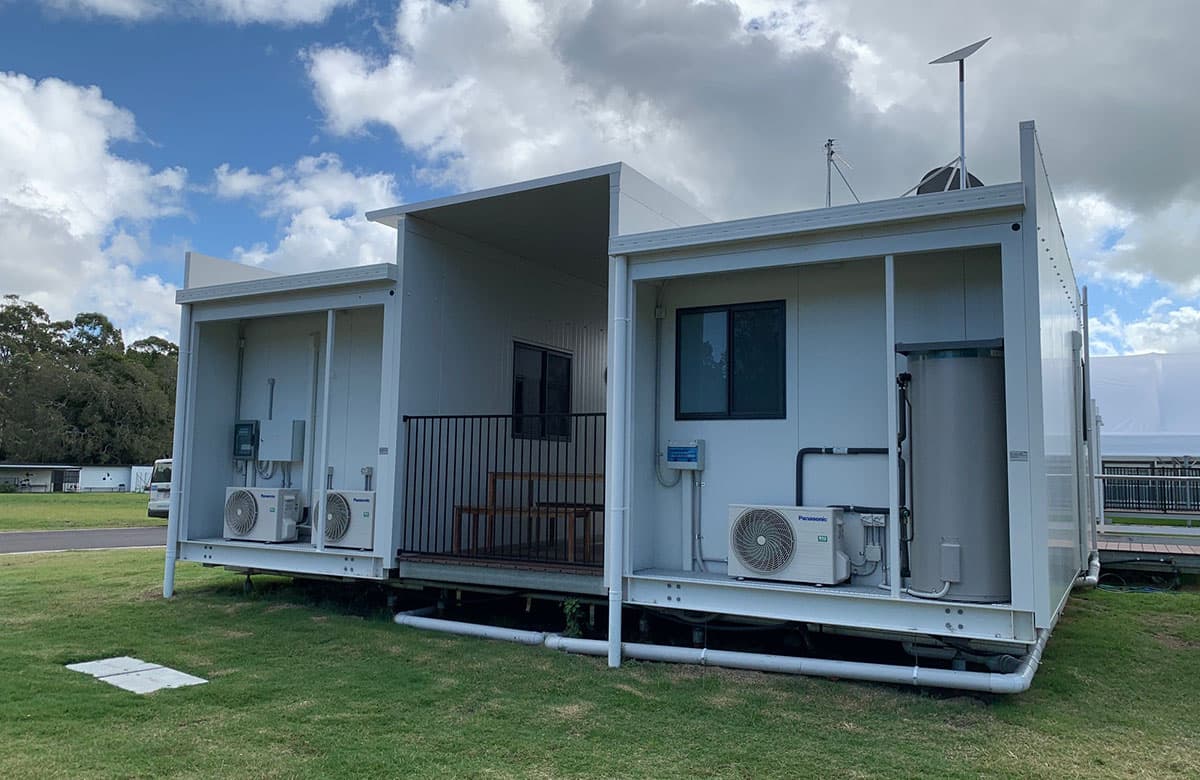
In a humanitarian effort aimed at assisting flood victims, the Faculty of Engineering at the University of Indonesia (FTUI) has partnered with its alumni association (Iluni) to initiate a project for constructing temporary housing units (huntara) in the village of Jiwat, located in the Linge area of Central Aceh Province. The project aims to build 12 housing units, with expectations to complete four units before Eid al-Fitr, while the remaining units will be finished within 30 days after the holiday.
In a statement, the Dean of the faculty, Kims Ridwan Kurniawan, emphasized that this initiative reflects the educational institution's responsibility to provide knowledge-based solutions that contribute to improving the conditions of the affected community. He expressed hope that these temporary housing units will offer a safe and comfortable place for the victims, helping them to rebuild their lives.
Event Details
The housing units are designed based on the Antara Version 3 model, which is an evolution of previous designs implemented in areas such as Lombok, Palu, and Cianjur. These units measure 4 × 7.2 meters and are inspired by the traditional architecture of the Gayo region, adopting the concept of elevated wooden houses that fit well with the local environment.
The modular structure of these units allows for rapid construction, with local community involvement in the building process through teamwork. Additionally, the design permits the expansion of the units or the addition of new rooms based on the residents' needs, making them a good foundation for developing permanent homes in the future.
Background & Context
The village of Jiwat is located in the Linge area of Central Aceh Province and can be accessed via a two-and-a-half-hour land journey from Lokseumawe to Takengon, followed by an additional three hours to reach the village. The area faces accessibility challenges due to landslides that occurred after the disaster.
Despite 90 days having passed since the floods, conditions in the village remain concerning. A team from the university, led by the head of the alumni association, Farizki Astrawinata, visited the area to assess the situation. During the visit, food aid was provided to the residents as part of the "University of Indonesia Cares" program.
Impact & Consequences
This initiative represents a significant step towards accelerating the recovery process for disaster victims. Through collaboration between educational institutions, local communities, and government entities, these housing units can contribute to improving the living conditions of residents, helping them return to their normal lives more swiftly.
Furthermore, this project highlights the importance of teamwork in disaster response, as it fosters social bonds among residents and enhances their ability to adapt to challenging circumstances.
Regional Significance
This initiative serves as a model for Arab countries facing similar challenges due to natural disasters. Arab nations can learn from such experiences to develop effective strategies for crisis management and enhance collaboration between educational institutions and local communities.
In conclusion, the project to build temporary housing units in Indonesia stands as a vivid example of how collaborative efforts among various parties can meet the needs of affected communities, reflecting the spirit of solidarity and cooperation in facing challenges.