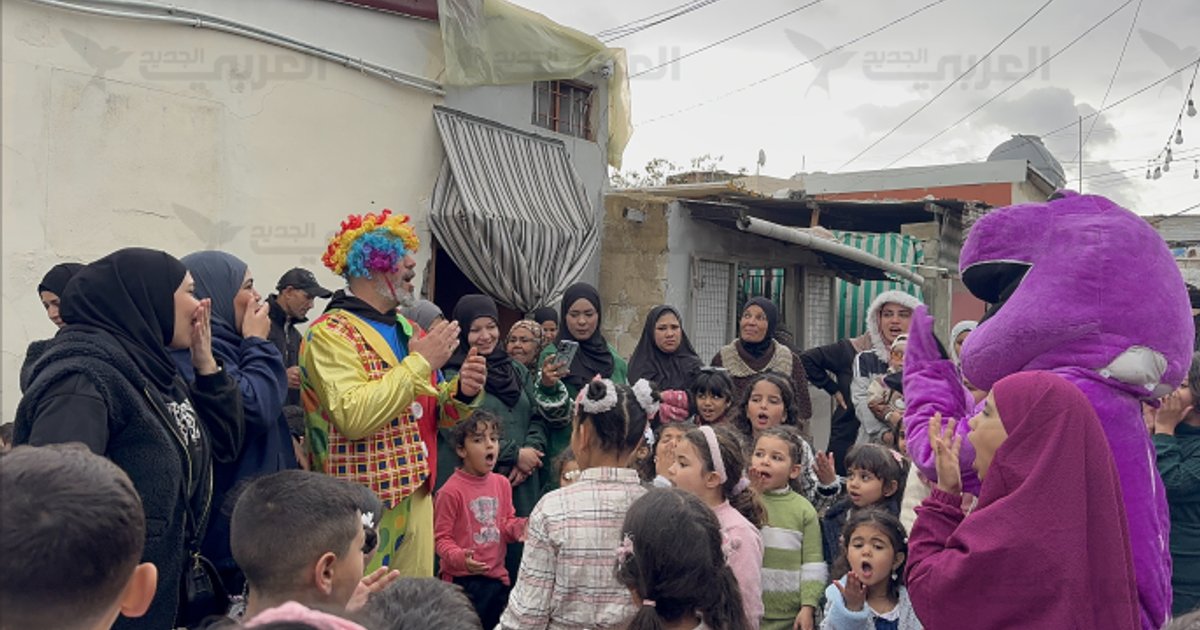
In a humanitarian effort aimed at alleviating the suffering of displaced children, volunteers in the Ain al-Hilweh refugee camp have launched initiatives for psychological and recreational support. These initiatives come at a time when the camp is witnessing a significant increase in the number of displaced individuals from southern Lebanon, thereby amplifying the need for psychological and recreational support programs for children.
The initiatives include a variety of recreational activities designed to bring joy to children's hearts, in addition to providing psychological support that helps them cope with the crises they have experienced. Volunteers are organizing art workshops, group games, and sports events, which contribute to strengthening social bonds among children and alleviating the psychological pressures they face.
Event Details
Ain al-Hilweh camp is considered one of the largest Palestinian camps in Lebanon, and it has recently experienced a large influx of displaced individuals from southern regions due to deteriorating security and economic conditions. Volunteers have indicated that children in the camp are in urgent need of psychological and recreational support, as many of them suffer from the effects of displacement and psychological trauma.
The activities organized in the camp include psychological support sessions, where counseling and assistance are provided to children facing difficulties in adapting to their new circumstances. A safe environment is also provided for children to play and interact with their peers, which helps improve their mental health.
Background & Context
Historically, Ain al-Hilweh camp has witnessed numerous humanitarian crises, serving as a refuge for many Palestinian refugees since 1948. As conditions in Lebanon have deteriorated, the camp has been receiving an increasing number of displaced individuals, which adds pressure on available resources and complicates the humanitarian situation.
These initiatives coincide with international and local efforts aimed at improving the living conditions of refugees, as many non-governmental organizations strive to provide necessary support to affected children and families. However, challenges remain, as the camp requires more support and resources to cope with the increasing numbers of displaced individuals.
Impact & Consequences
These initiatives are a positive step towards improving the psychological situation of children in the camp, as they contribute to enhancing feelings of safety and belonging. However, challenges still persist, requiring further efforts to meet the needs of displaced children.
Providing psychological and recreational support for children can contribute to building a generation capable of facing future challenges, thereby enhancing their ability to adapt to difficult conditions. Additionally, these activities may play an important role in strengthening social bonds among children, helping to create a more positive environment in the camp.
Regional Significance
These initiatives highlight the importance of psychological support for children in conflict areas, as humanitarian crises significantly impact children's mental health. Providing psychological and recreational support can serve as a model to be emulated in other conflict-affected regions.
Moreover, these efforts reflect the commitment of civil society in Lebanon to assist the most vulnerable groups, enhancing the spirit of solidarity and cooperation among communities. Improving the psychological situation of displaced children can contribute to achieving long-term stability in the region.