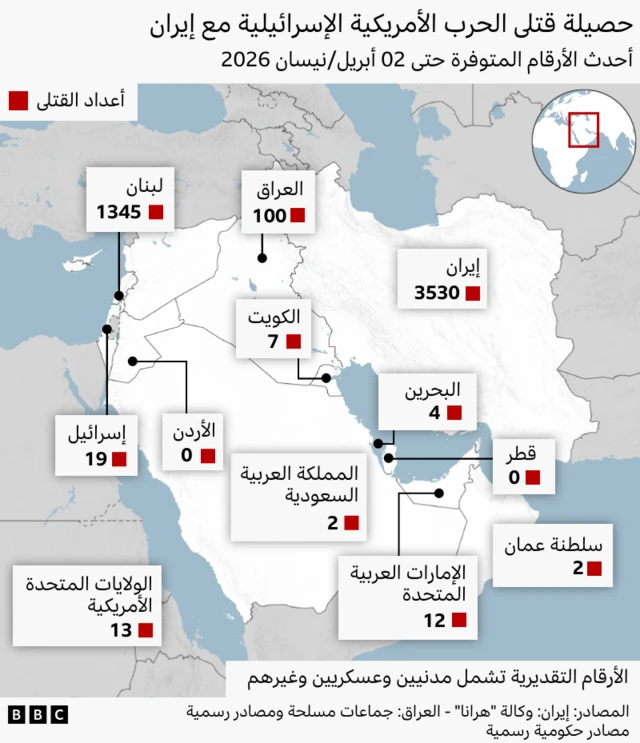
The U.S. Department of Defense, known as the Pentagon, has reported that 365 American soldiers have been injured in combat since the beginning of the U.S.-Israeli war with Iran. These figures reflect the escalating tensions in the region, as military operations between the involved parties continue.
In a related context, an Iranian official confirmed that efforts are ongoing to identify and capture the missing American pilot. These statements come at a sensitive time, as fears of escalating conflict in the region are on the rise.
Details of the Incident
Military operations between American and Israeli forces on one side and Iran on the other have been ongoing since the conflict began. These operations have resulted in a significant number of injuries among American soldiers, raising concerns about their safety and the continuation of military operations in the region.
Moreover, the Iranian statements regarding the missing pilot indicate that Iran is seeking to assert its military strength and ability to handle crises. Such statements could lead to heightened tensions between the United States and Iran, complicating the security situation in the region.
Background & Context
Historically, relations between the United States and Iran have been marked by increasing tensions since the Islamic Revolution in 1979. These tensions have led to several military conflicts, including attacks on military facilities and commercial ships in the Arabian Gulf.
In recent years, the intensity of the conflict has escalated following the U.S. withdrawal from the Iranian nuclear agreement in 2018, which resulted in the imposition of strict economic sanctions on Iran. These sanctions have significantly impacted the Iranian economy, prompting Tehran to take bolder military steps.
Impact & Consequences
The rising number of injuries among American soldiers could influence U.S. domestic policy, as the president may face increasing pressure from public opinion to limit military intervention in the region. Additionally, these events could lead to an escalation of the conflict, increasing the likelihood of further injuries and casualties.
On the international stage, these developments may lead to a reevaluation of alliances in the region, as other countries may seek to strengthen their relationships with either Iran or the United States based on the developments in the conflict.
Regional Significance
Arab countries are directly affected by the U.S.-Iranian conflict, as any escalation in fighting could have negative repercussions on security and stability in the region. Gulf countries, in particular, may find themselves in a difficult position if hostilities escalate.
The conflict may also impact oil prices and financial markets, reflecting on Arab economies that heavily rely on oil exports. These developments could lead to increased political tensions in the region, necessitating proactive measures from Arab countries to maintain their stability.
In conclusion, the situation in the region remains volatile, with growing concerns about the escalation of the U.S.-Iranian conflict. Intensive diplomatic efforts are required to avoid further escalation and ensure the safety of both civilians and soldiers.