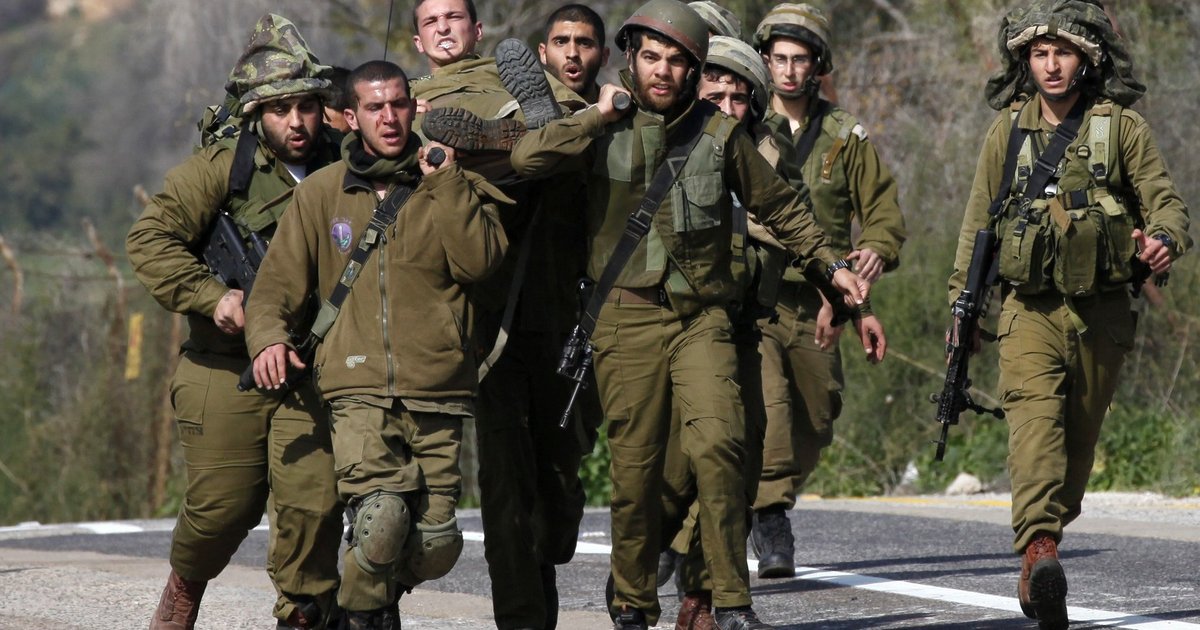
The Israeli army announced today that several officers and soldiers were injured in separate incidents that took place in southern Lebanon yesterday, with the total number of injured reaching 9 individuals, including 3 officers. These incidents come at a time when tensions between Israel and Hezbollah are escalating, raising concerns about the stability of the region.
The incidents in southern Lebanon reflect the tense security situation in the area, where clashes and tensions between Israeli forces and Hezbollah are increasing. The Israeli army reported that the incidents occurred during routine operations, but further details regarding the nature of the incidents have yet to be disclosed.
Details of the Incidents
According to preliminary data, the incidents that led to the injuries of Israeli soldiers occurred in areas close to the Lebanese border. The injured were transported to hospitals for treatment, where their conditions were described as stable. These incidents come at a sensitive time, as the region is witnessing an escalation in military actions and mutual threats between various parties.
The Israeli army also indicated that these incidents are not the first of their kind, as the border between Israel and Lebanon has seen numerous tensions and clashes in recent years, raising questions about the future of security in the region.
Background & Context
The roots of the tensions between Israel and Hezbollah date back decades, with the region experiencing numerous armed conflicts. Hezbollah, which was established in the 1980s, considers Israel a primary enemy and seeks to resist its presence in the area. Conversely, Israel aims to maintain the security of its borders and prevent any threats from the Lebanese side.
The recent events come at a time when international pressure on Lebanon is increasing, as the country suffers from severe economic and political crises. This situation may affect Hezbollah's ability to maneuver in the political and military arena, complicating the regional landscape further.
Impact & Consequences
The repercussions of these incidents go beyond military dimensions, as they could lead to a greater escalation of tensions between Israel and Hezbollah. If the incidents continue, matters may head towards a comprehensive military confrontation, which many fear in the region.
Additionally, these events may impact the relations between Lebanon and Western countries, as they could lead to increased pressure on the Lebanese government to deal with Hezbollah. At the same time, Israel may exploit these incidents to strengthen its position in international forums, further complicating the situation.
Regional Significance
These incidents are indicative of instability in the Middle East, where many countries are suffering from internal and external conflicts. The escalation between Israel and Hezbollah could affect regional security and heighten tensions in neighboring countries such as Syria and Palestine.
Moreover, the events in southern Lebanon could provoke reactions from other armed groups in the region, potentially exacerbating security conditions. This situation requires Arab countries to take clear stances regarding military escalation and work towards finding peaceful solutions to existing conflicts.
The recent incidents in southern Lebanon reflect the ongoing tensions in the region and highlight the urgent need for dialogue and understanding among the various parties. Amid the multiple crises facing the region, the hope for achieving peace and stability remains elusive.