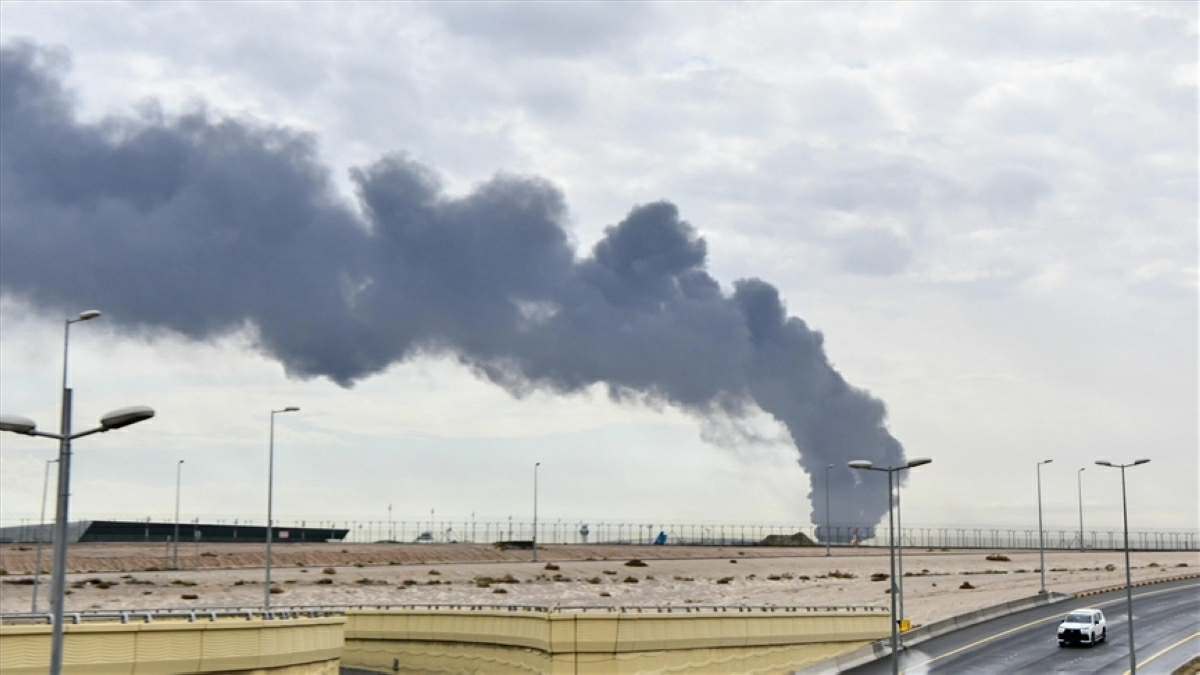
Ten Kuwaiti soldiers were injured in a new wave of rocket and drone attacks over the past 24 hours, according to the Kuwaiti Armed Forces. The attacks, which occurred late Sunday, included the launch of 14 ballistic missiles and 12 drones, with some of these attacks targeting a military camp, resulting in injuries to the soldiers. Logistical warehouses were also targeted, leading to material damage without additional casualties.
The Kuwaiti Armed Forces confirmed that this wave of attacks comes at a sensitive time, as the number of attacks has risen since February 28 to 307 ballistic missiles and 616 drones along with two cruise missiles. The forces expressed their strong commitment to protecting Kuwait and maintaining national security and stability.
Details of the Incident
The recent attacks are part of a continuing escalation in regional tensions, as the area remains on high alert since the beginning of the escalation in February. Kuwaiti forces monitored the attacks and announced that they are taking all necessary measures to protect their territory and citizens. The attacks have not only resulted in injuries but also caused damage to military infrastructure, raising concerns about national security.
These attacks are seen as part of an increasing pattern of tensions in the region, where military activities by armed groups in the vicinity are on the rise, heightening concerns about regional stability. The Kuwaiti Armed Forces are working to enhance their defensive capabilities to address these growing challenges.
Background & Context
Since the beginning of the year, the region has witnessed an increase in military activities, with rocket and drone attacks significantly rising. This escalation comes amid increasing political tensions between several countries in the region, raising concerns about regional security. Kuwait, regarded as one of the stable countries in the area, faces new challenges that require a swift and effective response.
Historically, Kuwait has been vulnerable to regional tensions, especially during the Iraqi invasion in 1990. Since then, Kuwait has worked to bolster its military and defensive capabilities, but the recent attacks indicate that threats remain. The Kuwaiti Armed Forces continue to work on improving their response to these threats.
Impact & Consequences
The recent attacks could lead to increased tensions in the region, potentially affecting relations between Kuwait and its neighbors. These attacks may also result in increased military spending in Kuwait, as the government seeks to enhance its defensive capabilities. Such events are likely to impact the political and economic stability in the country, necessitating a comprehensive response from the government.
The impact of these attacks is not limited to Kuwait but extends to the entire region. The military escalation could lead to international interventions, complicating the situation further. The international community is closely monitoring the situation, as any additional escalation could lead to unforeseen consequences.
Regional Significance
These attacks are part of a broader context of tensions in the Middle East, where military activities are increasing in several countries. Other Arab nations may find themselves compelled to reassess their security strategies in light of these developments. Regional security requires greater cooperation among Arab states to address common challenges.
In conclusion, the recent attacks on Kuwait represent a significant challenge to regional security, necessitating a swift and effective response from all concerned parties. Kuwait, striving to maintain its security and stability, needs international and regional support to confront these escalating threats.