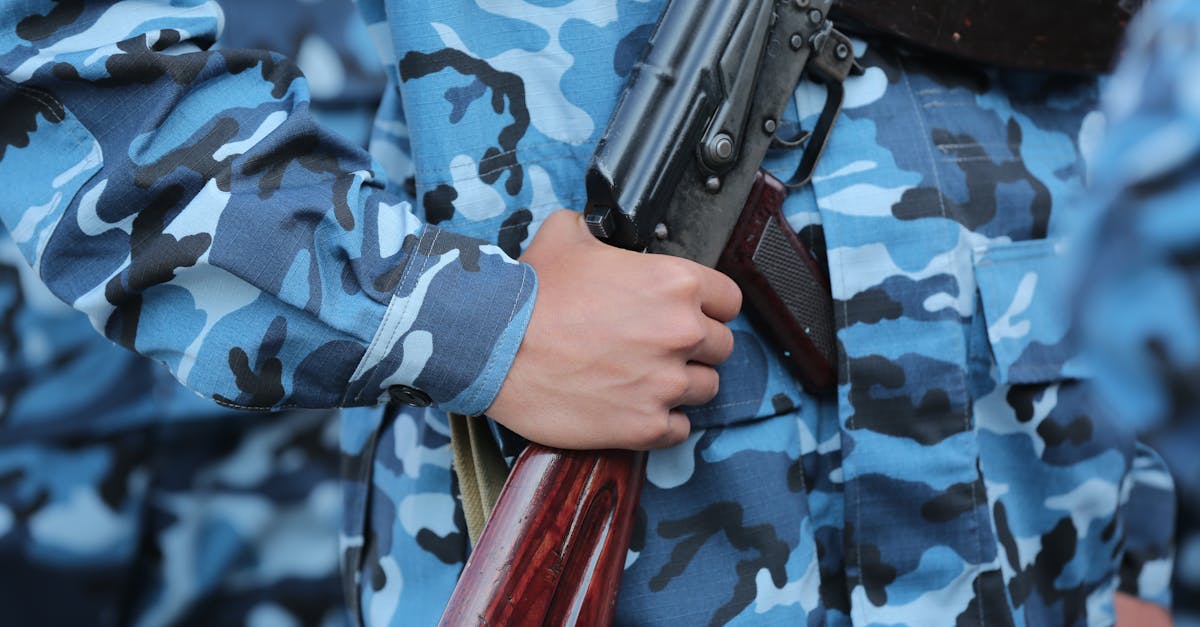
The United Nations announced that three Indonesian soldiers were injured in an attack targeting its peacekeeping forces in Lebanon, which took place in the El Adeisse area in southern Lebanon. The attack, which occurred on Friday, resulted in injuries to the soldiers, raising international concerns regarding the safety of troops operating in the region.
According to statements from UN Secretary-General spokesperson, Stefan Dujarric, two of the injured soldiers were evacuated to a hospital in Marjayoun, where their conditions were reported to be stable. The third soldier received treatment at the incident site due to the non-serious nature of his injuries.
Details of the Incident
This recent attack marks the third targeting Indonesian soldiers within the framework of the UNIFIL mission, as Indonesia lost three soldiers in previous incidents over the past week. Soldier Farzal Ramdhan was killed due to artillery shelling, while both Captain Zulmi Aditya Iskandar and soldier Mohammad Noor Ikhwan lost their lives during an attack on a convoy they were protecting.
With the increase in attacks on UNIFIL forces, the United Nations expressed deep concern, urging all parties to adhere to international law and ensure the safety and security of peacekeeping forces.
Background & Context
The United Nations Interim Force in Lebanon (UNIFIL) was established in 1978 to promote peace and security in the region following the conflict between Lebanon and Israel. Since then, international forces have faced multiple attacks, resulting in numerous casualties. The security situation in Lebanon remains fragile, suffering from ongoing tensions due to regional conflicts.
Impact & Consequences
These incidents serve as a warning to the international community about the need to enhance the protection of peacekeeping forces as tensions in the region escalate. Attacks on UNIFIL could undermine peace efforts, negatively impacting regional stability. These events require an immediate response from the international community to ensure the safety of soldiers, as any deterioration in the security situation could lead to an escalation of conflicts in the area.
Regional Significance
The recent attacks highlight the challenges faced by peacekeeping forces in a troubled region, necessitating urgent international action. The safety of peacekeepers is crucial not only for their well-being but also for the broader stability of Lebanon and the surrounding areas. The international community must work collaboratively to address these challenges and reinforce the mandate of peacekeeping operations.
In conclusion, the situation remains critical, and the international community's response will be pivotal in determining the future of peacekeeping efforts in Lebanon.