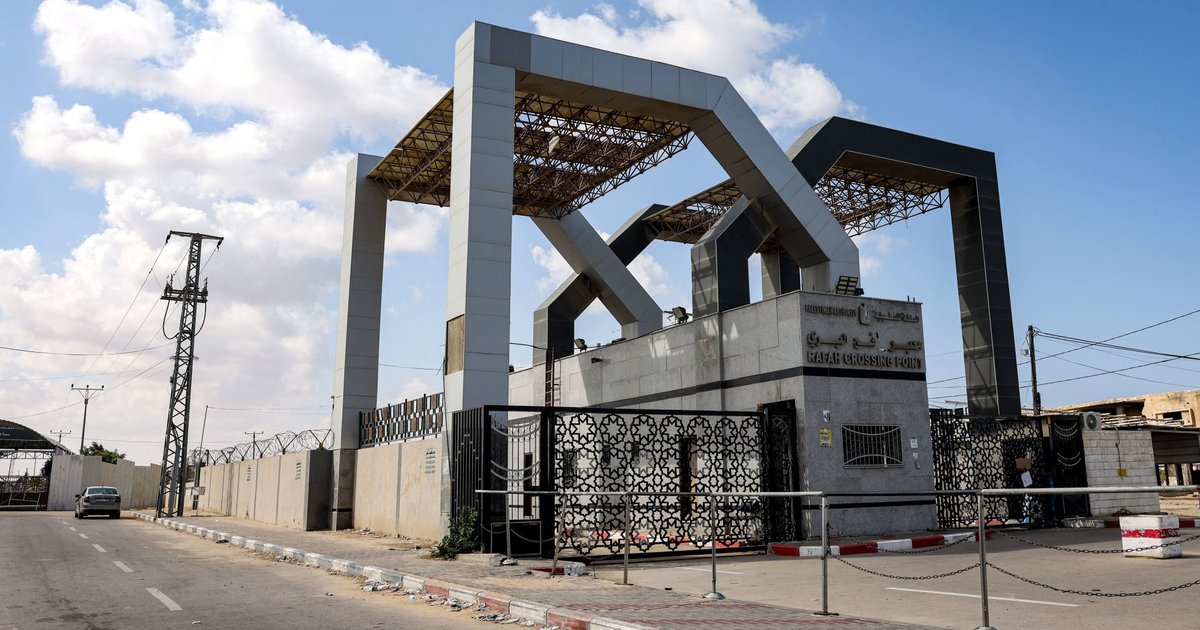
The suffering of injured patients in Gaza is escalating, with between 6 and 10 people dying daily while waiting for treatment abroad. Since the invasion of Rafah and the occupation of its crossing, around 1400 patients and injured individuals have died, shedding light on a deteriorating humanitarian crisis.
Among these injured individuals is Alaa Mohammed Hussein, aged 53, who endures daily suffering after being hit by shrapnel from an Israeli bomb in his legs. Hussein expresses his pain by saying, "I wish for death instead of sitting in a wheelchair." He lives in a tent with his family of 25 members, having been displaced from Gaza City last September.
Details of the Situation
Despite obtaining medical permission to travel to Belgium nine months ago, the restrictions imposed on the Rafah crossing prevent Hussein from receiving treatment. He also suffers from other health issues, including a lung disease, complicating his health condition further. Hussein states, "Our life is unbearable, and every day I feel death approaching me."
Maisa, Hussein's daughter, suffers from breast cancer and has been deprived of treatment due to displacement. She says, "We do not have access to appropriate treatment or nutrition as cancer patients, is this a life?" Her husband, Mohammed, was also injured in an airstrike, adding to their suffering.
Background & Context
Data from the Palestinian Ministry of Health indicates that the number of patients who have traveled since the crossing reopened in February is less than 490, which represents only 19% of the required number. The ceasefire agreement stipulates that 150 patients should travel daily, but the occupation imposes strict restrictions on this matter.
Zaher Al-Wahidi, director of the Health Information Systems Unit, confirmed that the occupation frequently violates agreements, leading to the deaths of many patients. He points out that there are 195 critically ill patients who could lose their lives at any moment if they are unable to travel.
Impact & Consequences
The pressures on the healthcare system in Gaza are increasing, with the Ministry of Health estimating that around 20,000 cases are waiting on travel lists, including 4,000 children and 4,000 cancer patients. The health situation in Gaza is worsening, necessitating urgent intervention from the international community.
Medical evacuations are complicated by political and security issues, requiring multiple approvals from the occupation, which makes obtaining treatment more difficult. Patients suffer from long delays in receiving medical referrals, exacerbating their suffering.
Regional Significance
This health crisis in Gaza is a stark example of the repercussions of the ongoing conflict in the region. The deteriorating humanitarian situation in Gaza reflects the urgent need for effective international intervention to protect the rights of patients and provide them with necessary treatment.
Under these circumstances, the international community must pressure the occupation to ease the restrictions imposed on the Rafah crossing and ensure patients' right to receive treatment. The continuation of this suffering reflects the international community's failure to protect human rights in conflict areas.