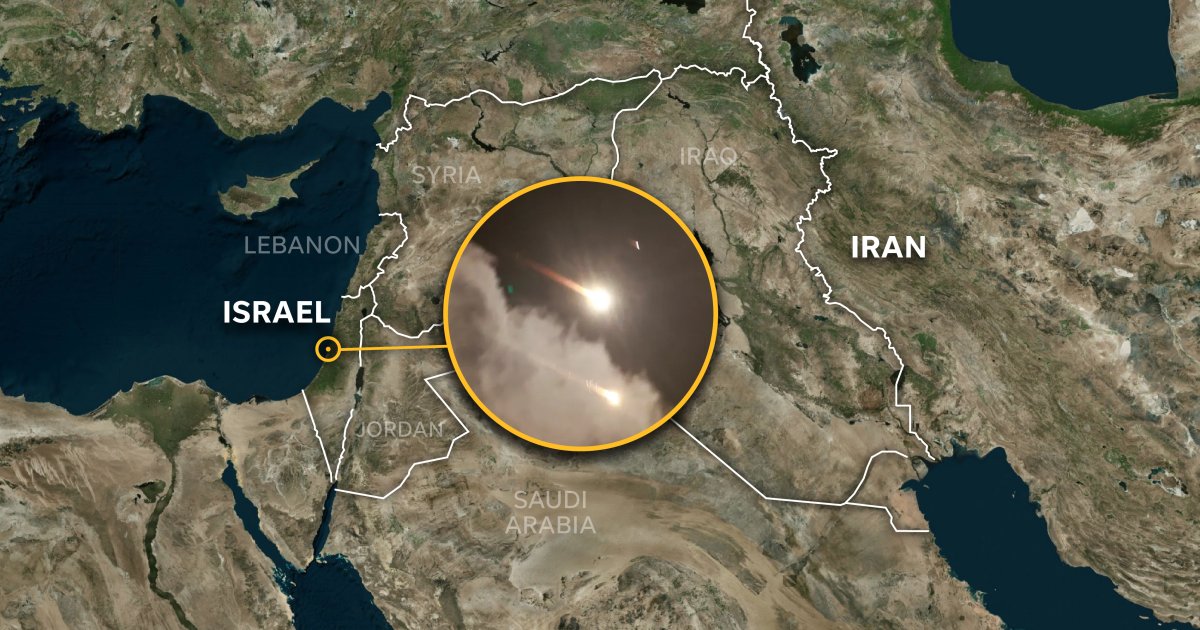
Several injuries were reported following an Iranian missile attack targeting homes in the Beit Shemesh area of central Israel, according to Israeli emergency services on Saturday. The attack comes at a time of heightened regional tensions, raising fears of a larger escalation in the conflict between Iran and Israel.
This incident is part of a series of reciprocal attacks between the two sides, with military operations in the region increasing recently. The Iranian missile attack reflects the ongoing tensions between Tehran and Tel Aviv and indicates Iran's capability to conduct military operations beyond its borders.
Details of the Incident
In the details of the attack, reports indicate that the missile struck homes in Beit Shemesh, resulting in injuries to several individuals. The exact number of injured and the severity of their injuries have not been disclosed, but Israeli emergency services confirmed that the injured were transported to hospitals for treatment.
Beit Shemesh is a residential area located west of Jerusalem, close to the border with the West Bank, making it vulnerable to attacks under the current circumstances. The missile attack follows a series of Iranian threats against Israel, with Tehran accusing Tel Aviv of conducting strikes on its territory.
Background & Context
Historically, relations between Iran and Israel have been marked by severe tensions, with Iran considering Israel a primary enemy in the region. Since the Islamic Revolution in 1979, Tehran has pursued an antagonistic policy towards Israel, leading to escalated conflicts in the area.
In recent years, Iran has increased its support for armed groups in the region, including Hezbollah in Lebanon, which has heightened Israeli concerns. The recurring missile attacks reflect Iran's strategy of using military force as a means of responding to Israeli and American pressures.
Impact & Consequences
The Iranian missile attack on Beit Shemesh could lead to a greater escalation in the conflict between Iran and Israel. It is expected that Israel will respond to this attack, potentially increasing tensions in the region. This escalation could also affect regional security, as other powers may intervene in the conflict.
Moreover, this attack could impact relations between Iran and Western countries, as Tehran seeks to bolster its regional position through military force. At the same time, this escalation may increase pressures on the Israeli government, which faces both internal and external challenges.
Regional Significance
The Iranian missile attack on Israel highlights the regional dimensions of the conflict. Arab countries, which are experiencing instability, may find themselves in a difficult position if tensions between Iran and Israel escalate. This escalation could affect peace efforts in the region and intensify existing conflicts.
Furthermore, this attack could increase divisions among Arab states, as their positions towards Iran and Israel vary. Some countries may support Israel in the face of Iranian threats, while others may prefer to strengthen relations with Tehran.
In conclusion, the Iranian missile attack on Beit Shemesh represents a turning point in the regional conflict, necessitating careful monitoring by the international community to avoid further escalation.