The Israeli Ministry of Health has announced that 163 individuals were admitted to hospitals in the last 24 hours due to injuries resulting from the escalating conflict with Iran and Hezbollah. These figures emerge amid increasing military tensions in the region, as Israel faces repeated missile attacks.
Among the injured is an 82-year-old man who suffered serious injuries from an Iranian missile strike and has undergone surgery, currently being kept under artificial anesthesia on ventilators. Additionally, Rabin Medical Center reported that another person was injured in an attack on the city of Petah Tikva, where he was admitted in moderate to serious condition.
Details of the Incident
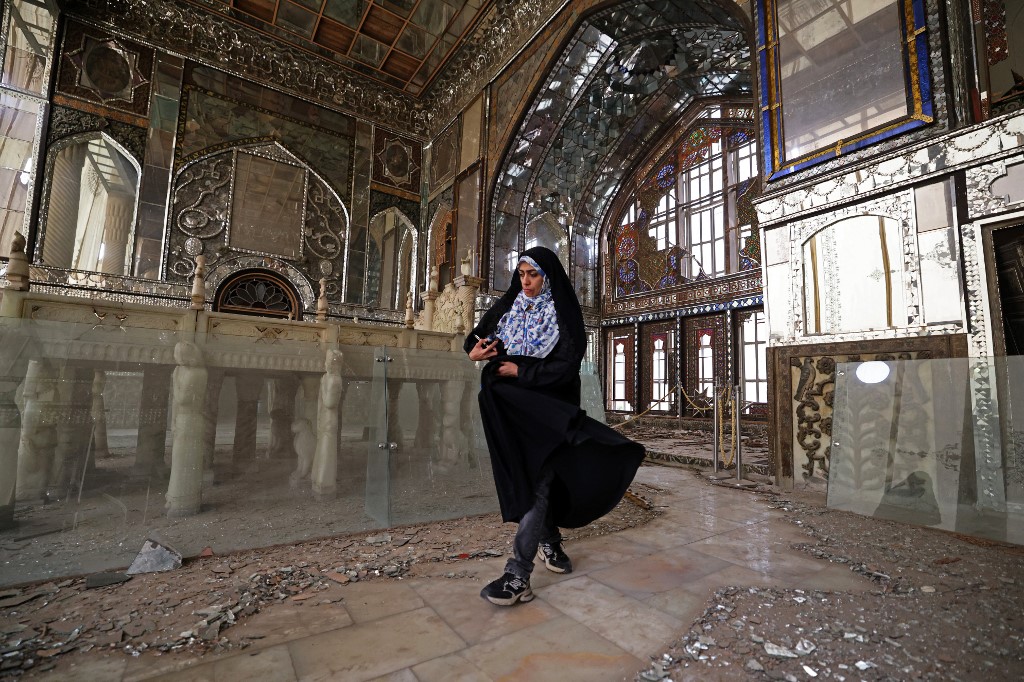
Reports indicate that there is significant damage in the city of Petah Tikva, located in central Israel, as a result of the Iranian missile attack. Images circulated on social media show the extent of the destruction caused by the attack, raising concerns about the safety of civilians in those areas.
This escalation occurs within the ongoing conflict between Israel and Hezbollah, which is backed by Iran, and has seen a noticeable increase recently. Israeli authorities have warned that these attacks could lead to a larger escalation in the conflict, threatening regional security.
Background & Context
Historically, relations between Israel and Iran have been increasingly strained, especially after Iran emerged as a significant regional power seeking to enhance its influence in the Middle East. Iranian military activities in the region have intensified, including its support for Hezbollah, which is considered one of Iran's primary military arms in Lebanon.
The tensions between Israel and Hezbollah are not new, as the region has witnessed several rounds of conflict, the last being in 2006. However, the current escalation comes at a sensitive time, with growing fears of a full-scale war in the region.
Impact & Consequences
These events could have serious repercussions on regional security, as other countries may intervene in the conflict, complicating the situation further. Additionally, military escalation could impact the Israeli economy, which heavily relies on security stability.
Moreover, the increasing number of civilian injuries may lead to international reactions, as Israel could face greater pressure from the international community to cease its attacks. At the same time, Iran and Hezbollah may use these events to strengthen their position in the region.
Regional Significance
The current events signal a rise in tensions in the Middle East, raising concerns among neighboring Arab countries. The conflict between Israel, Iran, and Hezbollah could affect stability in Lebanon and Syria, potentially leading to an influx of refugees and increased sectarian tensions.
Furthermore, these events may reopen discussions about regional security, as Arab countries might seek to enhance their cooperation to face common threats. The situation could also impact peace efforts in the region, as military escalation may hinder negotiations.