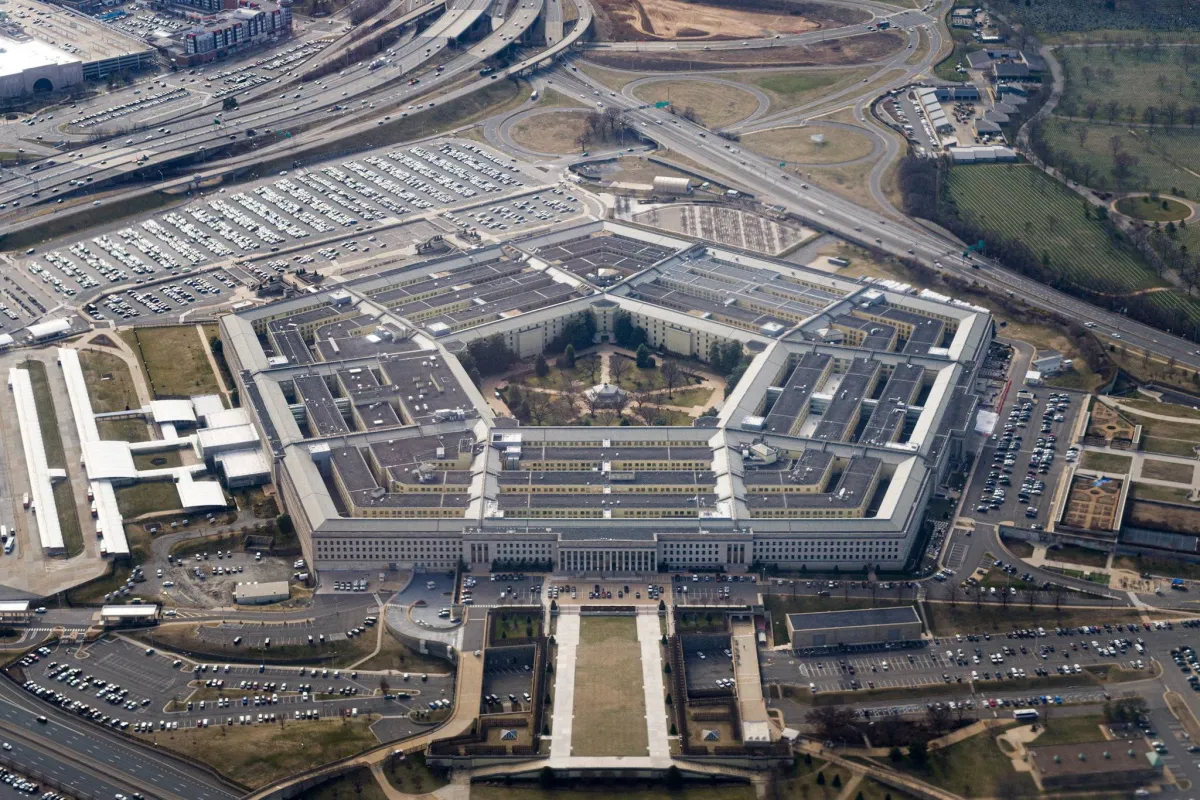
The U.S. Department of Defense (Pentagon) announced that the number of American soldiers injured since the onset of the war against Iran has reached 365 as of Friday. The injuries are distributed among 247 Army soldiers, 63 sailors from the Navy, 19 Marines, and 36 Air Force pilots.
Despite these figures, it remains unclear whether they include soldiers who fell victim to the downing of two fighter jets on Friday. The report indicates that most of the wounded are recruits, with 200 soldiers at mid to high levels, in addition to 85 officers and 80 junior recruits. Meanwhile, the death toll remains at 13 soldiers.
Details of the Incident
U.S. forces are currently seeking to locate a crew member of an F-15E aircraft who was forced to parachute after the plane was shot down over Iran. In response to a question about what the United States would do if the missing pilot were harmed, President Donald Trump stated, "I cannot comment on that because we hope it does not happen."
At the same time, NBC News reported Trump as saying that the downing of the American fighter jet would not affect negotiations with Iran regarding the ongoing war that has lasted for more than a month. U.S. forces have rescued one pilot from the downed aircraft in Iran, while search operations for the other continue.
Background & Context
Trump's remarks about the nearing end of the war coincided with the deployment of significant military reinforcements to the Middle East, including a third aircraft carrier and amphibious warships. This has raised questions about the potential for military escalation that could include a ground invasion.
The "Washington Report" program, which collaborates with the "Middle East" newspaper, examines whether the timeframe set by Trump for ending military operations is realistic and whether the military reinforcements indicate a ground incursion or merely a show of force.
Impact & Consequences
Admiral John Miller, former commander of the U.S. Fifth Fleet, emphasizes the necessity of completing the mission in Iran, noting that the destruction of Iranian missile capabilities still requires additional efforts. He points out that Iran continues to pose a threat to the region and the world.
Miller also expressed satisfaction with Trump's affirmation of the importance of the Strait of Hormuz, stressing the need to restore freedom of navigation in the region. Meanwhile, David de Roche, a former official at the U.S. Department of Defense, believes that Trump's assessment of military objectives is limited and that he is not seeking to change the Iranian regime but rather to exert economic pressure on it.
Regional Significance
Concerns are growing over the escalation of military tensions in the region, as any American military escalation against Iran has direct implications for neighboring Arab countries. The continuation of the war could negatively impact oil and energy prices, affecting Arab economies.
In conclusion, the situation in the region remains tense, with expectations of new developments in the U.S.-Iran conflict in the coming weeks, raising concerns about the potential impact on regional security and stability.