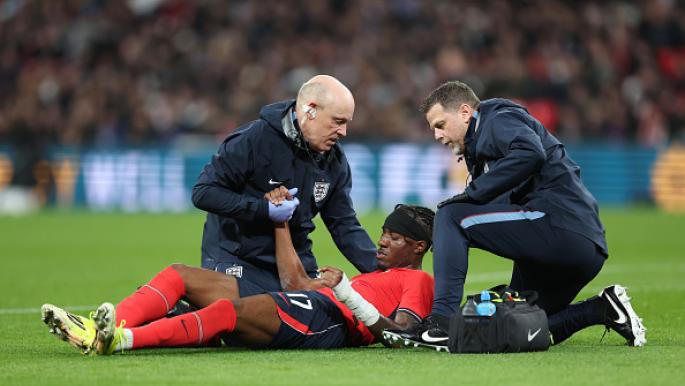
The current international break has led to a surge in injuries among national team stars, jeopardizing clubs' plans during this crucial phase of the season. These injuries could significantly impact teams' performances in both domestic and continental competitions.
As the qualifiers for global tournaments kick off, several prominent players have sustained injuries that may sideline them from their club matches. Clubs that hoped to bolster their squads with top players now find themselves needing to adapt to their sudden absence.
Details of the Situation
Reports are increasing regarding injuries sustained by a number of stars, with multiple sources indicating that players from various national teams have suffered injuries ranging from minor to moderate. These injuries come at a sensitive time, as clubs are heading towards crucial stages in domestic competitions, such as the league and cup, in addition to continental contests.
For example, Egyptian national team star Mohamed Salah has suffered an ankle injury, which may prevent him from participating in upcoming matches with his club Liverpool. Similarly, the injury to Moroccan national team star Hakim Ziyech could impact his club Chelsea in European competitions.
Background & Context
The international break is a period designated for national teams to play official and friendly matches, often coinciding with a congested schedule in domestic leagues. Over the years, these periods have seen an increase in the number of injuries, raising questions about the viability of the packed schedule for players.
Historically, clubs have suffered from the absence of their international players due to injuries, prompting some clubs to call for a reevaluation of international break schedules. However, the importance of these breaks remains significant for national teams, especially in light of continental and international competitions.
Impact & Consequences
Injuries directly affect clubs, forcing them to reassess their strategies and plans for upcoming matches. The absence of key players can lead to a decline in performance levels, which may negatively reflect on teams' results in the league.
Moreover, injuries may increase the pressure on substitute players, potentially affecting their performance and raising the likelihood of them sustaining injuries as well. This situation could create a vicious cycle of injuries and declining performance.
Regional Significance
The Arab region is among those that show significant interest in football, with many clubs and national teams competing on the international stage. Injuries affecting Arab players impact not only the clubs but also the morale of fans who support their national teams.
In the face of fierce competition in continental tournaments, the absence of stars due to injuries may affect the chances of Arab national teams achieving positive results, which in turn reflects on fan support and their confidence in their teams.
In conclusion, while the international break remains an opportunity for national teams, it carries significant risks for clubs. Clubs and federations must work together to develop strategies that minimize the impact of injuries on players, ensuring sustained good performance across various competitions.