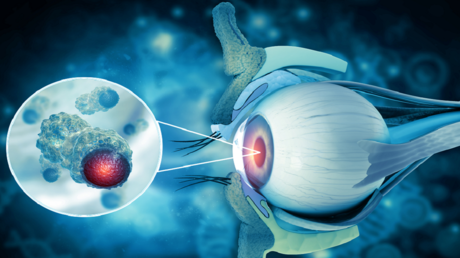
A team of researchers has revealed an innovative method to treat eye cancer known as retinoblastoma (RB), which is the most common type among children. This new approach relies on using materials derived from pig semen, opening new horizons in treating this type of cancer that affects young children.
Retinoblastoma is a type of cancer that originates in the retina and typically appears in children under the age of five. This disease is one of the most common types of cancer in children, with approximately 2,000 new cases diagnosed annually in the United States alone. The condition is serious, as it can lead to vision loss or even death if not treated effectively.
Details of the Innovative Method
The new method developed involves using specific components from pig semen, which have shown effectiveness in targeting cancer cells in the retina. Researchers conducted experiments on animal models, where results indicated a significant reduction in tumor size. These findings suggest the potential for using these materials to develop new and safer treatments for children suffering from this disease.
This method is considered a potential alternative to traditional treatments such as chemotherapy or radiation therapy, which may have serious side effects on children. By utilizing these materials, researchers hope to reduce the health risks associated with conventional treatments.
Background & Context
Historically, treatment for retinoblastoma relied on surgical intervention and chemotherapy, which could lead to negative side effects on children's health. With the increasing research in the field of regenerative medicine, new methods are emerging that rely on using biological materials, such as those derived from pigs, in treating cancer diseases.
This innovation comes at a critical time as scientists strive to find safer and more effective solutions for treating childhood cancers. Additionally, the use of biological materials from animals in medicine is a controversial subject, requiring careful study to ensure their safety and efficacy.
Impact & Consequences
If this method proves effective in clinical trials, it could revolutionize how eye cancer is treated in children. These innovations will help reduce the need for traditional treatments that may be painful and cause serious side effects.
Moreover, this study may open new avenues for research into using other biological materials in treating various types of cancer, potentially improving the quality of life for affected children.
Regional Significance
In the Arab region, where cases of cancer among children are on the rise, this innovation could have a significant impact. It may contribute to improving available treatment options and reducing costs associated with traditional therapies.
Furthermore, this research could encourage increased investment in scientific research and development in Arab countries, enhancing the capacity to address health challenges.
In conclusion, this innovation represents an important step towards improving treatments for childhood eye cancer and reflects ongoing advancements in medicine and scientific research. Hope remains pinned on the results of upcoming clinical trials, which may confirm the efficacy of this new method.