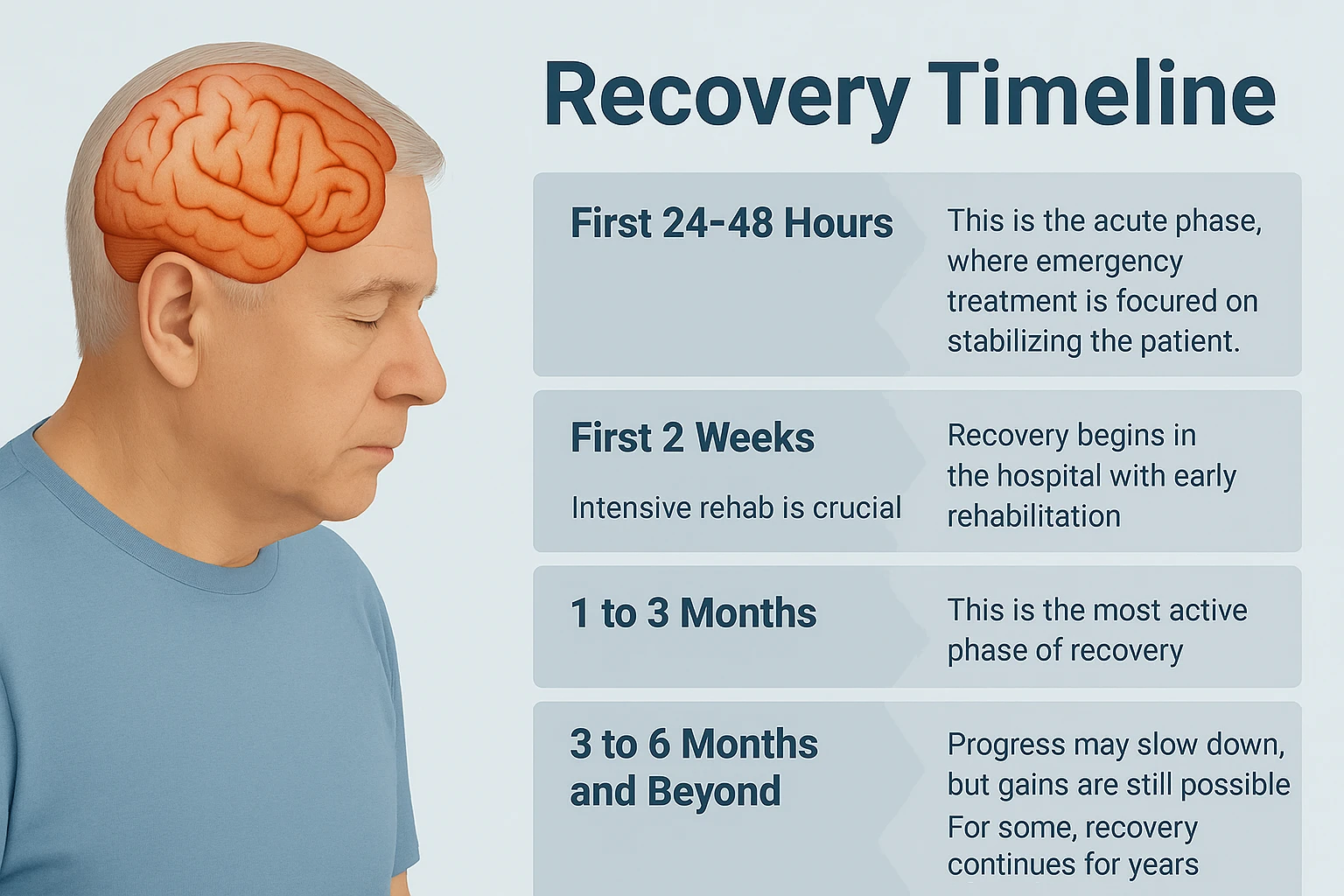
Researchers have unveiled a groundbreaking brain implant technology that can restore hand movement in stroke patients. This innovation represents a significant step forward in enhancing the quality of life for many individuals affected by this condition.
Stroke is one of the leading causes of disability worldwide, affecting millions of people annually. According to the World Health Organization, strokes account for approximately 11% of total global deaths, making the search for effective solutions imperative.
Details of the Innovation
The new technology relies on implanting a small device in the brain that works to restore communication between nerves and muscles. This device interprets neural signals from the brain and transmits them to the muscles, allowing patients to gradually regain their ability to move. Preliminary clinical trials have shown promising results, with many patients reporting significant improvements in their ability to control their hand movements.
The innovation was developed by a team of researchers at a specific university, utilizing advanced techniques in neuroscience and biomedical engineering. The device is designed to be lightweight and easy to implant, making it a suitable option for many patients.
Background & Context
Historically, treatment options available for stroke patients have been limited, often focusing on physical rehabilitation. However, advancements in medical technology have opened new avenues for treating this condition. In recent years, various techniques such as brain electrical stimulation have been developed, proving effective in improving movement.
Stroke poses a significant public health issue, with incidence rates increasing with age. However, other factors such as lifestyle and nutrition also play a crucial role in elevating the risk. Therefore, innovations like the brain implant could serve as an effective solution to enhance the quality of life for patients.
Impact & Consequences
If this technology proves effective in subsequent clinical trials, it could revolutionize how the effects of strokes are managed. This could lead to substantial improvements in the quality of life for patients, reducing their reliance on long-term healthcare.
Moreover, this innovation may pave the way for the development of new technologies in other medical fields, such as treating spinal cord injuries or other neurological diseases. The ability to restore movement through a brain implant could be a significant step toward achieving greater advancements in the treatment of chronic illnesses.
Regional Significance
In the Arab region, stroke is an increasingly prevalent health issue, with rising incidence rates attributed to high levels of obesity and diabetes. Thus, innovations in this field could have significant positive impacts on public health.
This technology could help alleviate the burden on healthcare systems in Arab countries, potentially reducing treatment and long-term care costs. Additionally, improving the quality of life for patients may lead to increased productivity and community participation.
In conclusion, innovation in brain implants represents new hope for many stroke patients and reflects the ongoing advancements in medical sciences. As research and development continue, we may witness a radical transformation in how this complex health condition is addressed.