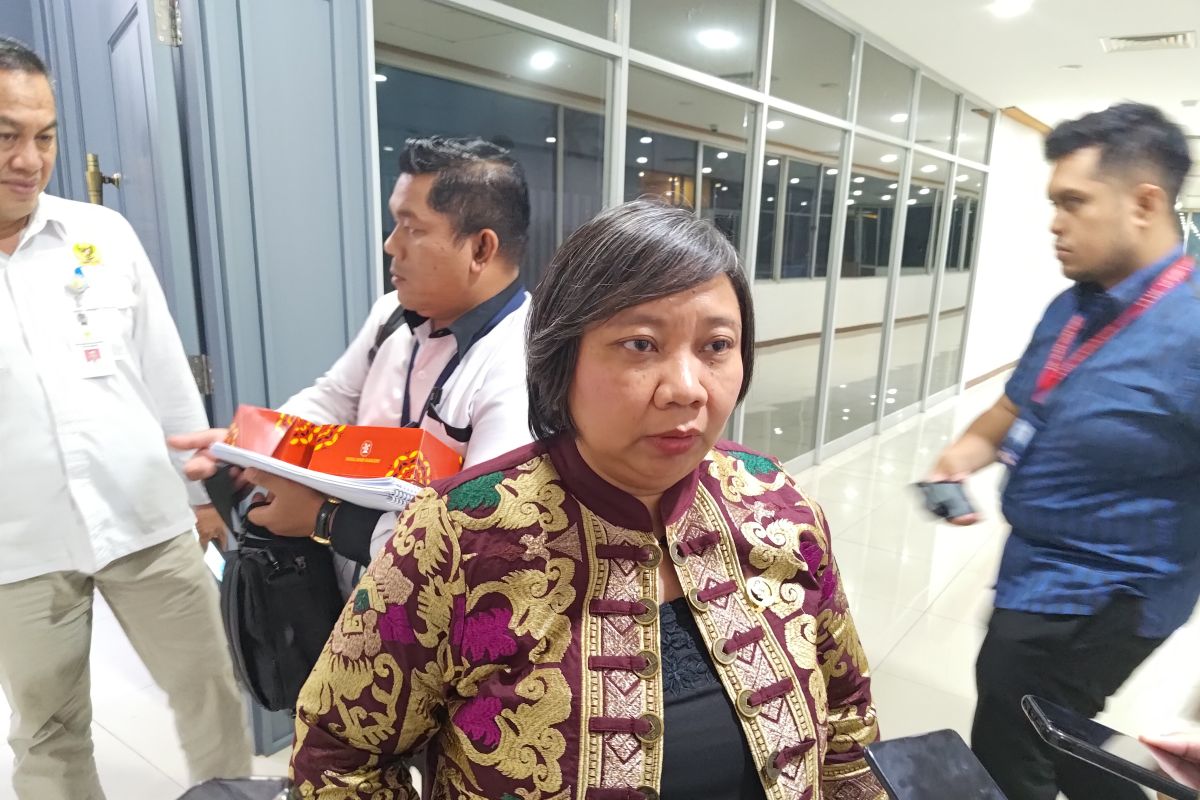
The head of Indonesia's poverty eradication agency, Budiman Sudjatmiko, revealed that the 'Free Nutritious Food' (MBG) program represents a strategic step to safeguard the country's food and economic security, especially in light of increasing global crises. This announcement was made during a podcast with Antara News Agency in the capital, Jakarta.
Sudjatmiko explained that the kitchens involved in the MBG program will serve as vital distribution centers for food supplies in the event of crises resulting from conflicts, while local cooperatives will handle the distribution of non-food items such as soap and toothpaste. This system aims to ensure that the basic needs of the population are met.
Program Details and Structure
Sudjatmiko pointed out that global conflicts could negatively impact food and energy supply chains, necessitating a robust infrastructure to address crises. With approximately 80,000 cooperatives in Indonesia, the distribution system will be available to meet the population's needs for non-food goods, while MBG kitchens will provide meals.
He also added that the network of MBG kitchens, which aims to reach tens of thousands of points, could function as logistical centers for food in case of any distribution disruptions. He hopes that the combination of MBG kitchen services and cooperatives will create a dual distribution system that guarantees the availability of basic needs for the population.
Background & Context
Data from Indonesia's Central Statistics Agency indicates that over 24 million people live in extreme poverty, making them the most vulnerable to rising food prices due to global geopolitical disruptions. Through a village-based distribution network, the government can ensure that food reaches these vulnerable groups.
Impact & Consequences
This strategy is vital amid increasing tensions between Iran and Israel, which could lead to rising energy prices and affect food logistics costs. If precautionary measures are not taken, this situation could hinder the distribution of essential goods to remote areas. The government hopes to establish a community-based food security system that provides social and economic support in case of any disruptions.
Regional Significance
The program is a significant step in addressing the food challenges that Indonesia may face, reflecting the importance of collaboration between the government and local communities. By ensuring that food security measures are in place, the initiative aims to create resilience against future crises.
In conclusion, the 'Free Nutritious Food' program is not only a response to immediate needs but also a long-term strategy to enhance food security in Indonesia, setting a precedent for other nations facing similar challenges.