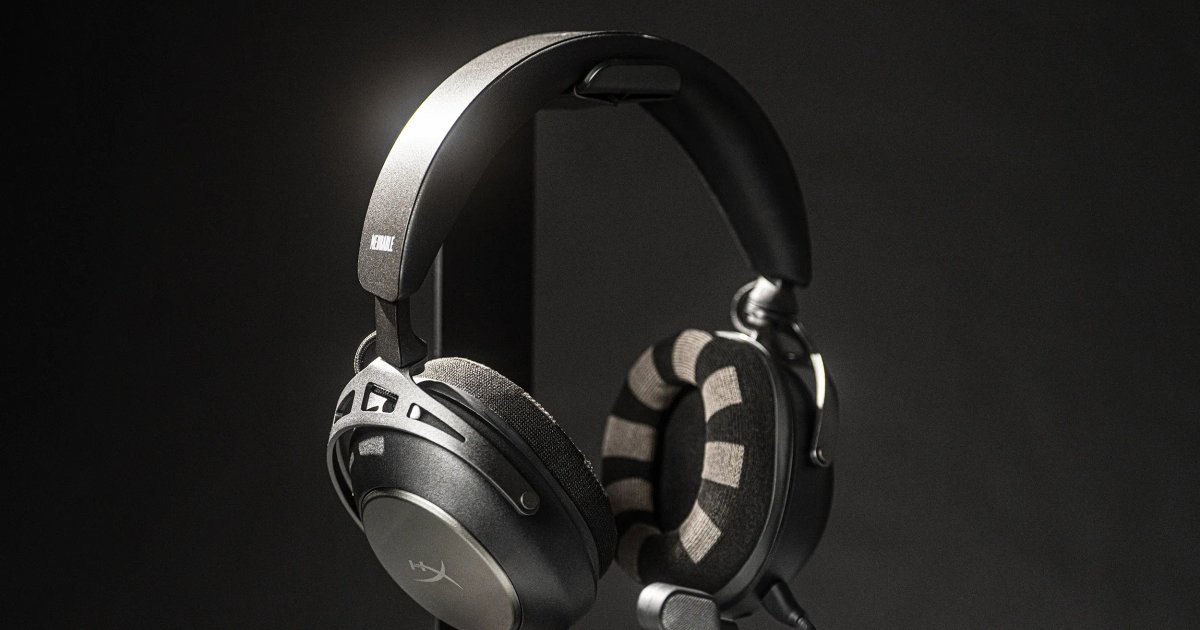
Neurable, based in Boston, has announced its transition to a new licensing model for its advanced brain scanning technology, enabling other companies to incorporate this technology into their products. This announcement comes at a time when the market is witnessing increasing interest in wearable technology that enhances human performance.
Neurable specializes in developing non-invasive brain interfaces and has so far focused on headphones developed in collaboration with the Master & Dynamic brand. The company is also working with the U.S. Department of Defense to explore the use of its technology in monitoring the effects of explosions, which could assist in diagnosing mild brain injuries among soldiers.
Details of the Technology
The headphones produced by Neurable utilize electroencephalography (EEG) sensors to monitor brain waves, with information sent to a companion app that helps users know when they need to take a mental break. The app aims to enhance productivity by alerting users to the importance of rest before feeling fatigued.
Other features offered by the app include measuring the brain's readiness for the workday, brain age, as well as metrics such as mental recovery, mental stress, and anxiety tolerance. Although writer Emily Malin from WIRED magazine tested the original headphones, she found it challenging to verify the accuracy of Neurable's algorithms.
Background & Context
Brain-computer interfaces (BCI) are emerging fields that are generating increasing interest in the tech world. Neurable competes with other companies like Elemind and Sabi, each striving to develop new technologies to improve quality of life. Even Apple has filed a patent for AirPods that utilize EEG technologies, indicating that major companies are interested in this field.
The significance of this technology is growing in light of the rapid expansion of the video game industry, as Ramses Alkaid, co-founder and CEO of Neurable, noted that performance enhancement in gaming can have a significant impact on players, where even slight improvements in response time can lead to better outcomes in competitive gaming.
Impact & Consequences
Studies indicate that any improvements in focus or response capability can have substantial benefits, especially in fields that require quick decision-making. This technology may also assist students in reducing anxiety before exams and athletes in enhancing their performance before competitions.
These developments are expected to lead to significant changes in how people interact with wearable technology, as brain scanning devices could become an essential part of their daily lives, much like fitness trackers have.
Regional Significance
The implications of Neurable's advancements extend beyond consumer electronics, potentially influencing various sectors including healthcare, education, and entertainment. By integrating brain scanning technology into everyday devices, there is a possibility of creating a more connected and responsive environment that caters to individual needs.
As this technology continues to evolve, it holds the promise of transforming not only personal productivity but also enhancing overall well-being, making it a focal point of interest across multiple industries.