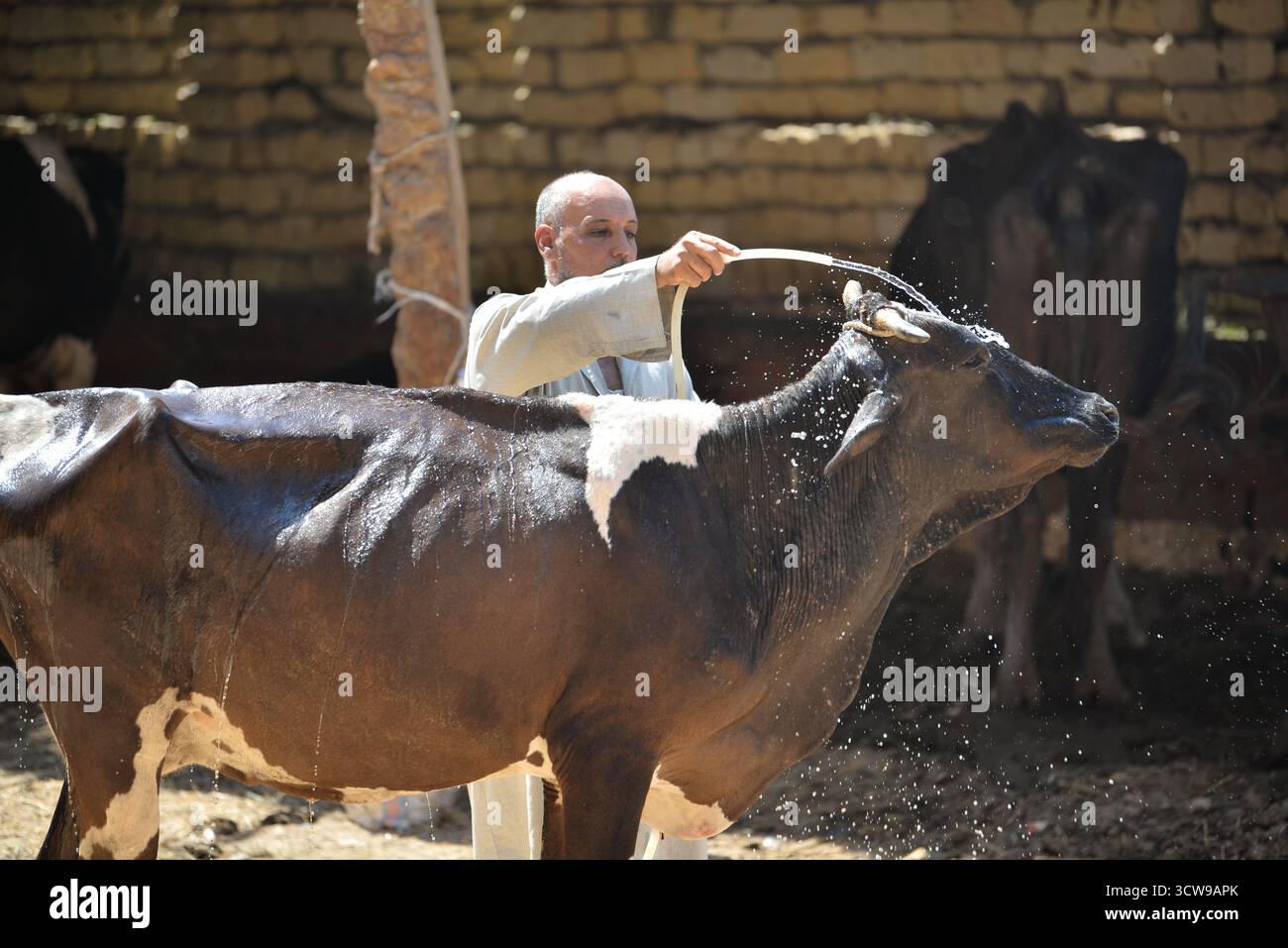
In February, Egyptian authorities conducted inspections of over 555,000 birds and 180,000 livestock as part of efforts to monitor epidemics. This initiative aims to enhance animal health security in the country, emphasizing the importance of preventing diseases that could affect livestock and poultry.
The Egyptian Ministry of Agriculture and Land Reclamation is striving to strengthen the epidemic surveillance system through the implementation of regular inspection programs. These inspections include birds, poultry, and livestock, aiming for early detection of any disease cases that may arise, thereby facilitating necessary measures to protect animal wealth.
Details of the Inspections
Reports indicate that the inspections conducted by the Ministry of Agriculture covered various Egyptian governorates, focusing on areas with intensive agricultural activity. Modern techniques were employed in the inspections to ensure the accuracy of results and prompt response.
These inspections are part of a comprehensive strategy aimed at improving the health of animals and birds in Egypt, where livestock represents an important source of food and income for many families. Additionally, these efforts align with international standards in animal health.
Background & Context
Historically, Egypt has witnessed several animal epidemics that significantly impacted livestock, such as avian influenza and Rift Valley fever. These epidemics led to substantial losses in animal production, prompting the government to adopt stricter preventive measures.
In recent years, cooperation between the Ministry of Agriculture and global health organizations has been enhanced, aiding in the country’s response to epidemics. Training programs have also been developed for farmers to raise awareness about the importance of regular inspections and adherence to necessary health protocols.
Impact & Consequences
These inspections are a positive step towards achieving food security in Egypt, as they help reduce health risks associated with animal diseases. Moreover, enhancing animal health positively reflects on the local economy by increasing productivity and improving the quality of animal products.
Furthermore, these efforts bolster consumer confidence in Egyptian animal products, contributing to increased domestic and international demand. Thus, improving animal health is a fundamental factor in supporting the national economy.
Regional Significance
Egypt is considered one of the leading countries in agriculture and livestock in the Arab region. Therefore, its success in implementing epidemic surveillance programs can serve as a model for other Arab countries.
Given the health challenges facing the region, such as the spread of animal diseases, cooperation among Arab countries in epidemic monitoring is essential. Egypt's successful experiences can contribute to enhancing food and health security in neighboring countries.
In conclusion, Egypt's efforts in inspecting birds and livestock represent a significant step towards strengthening animal health security, contributing to the protection of livestock and ensuring the sustainability of food production in the country.