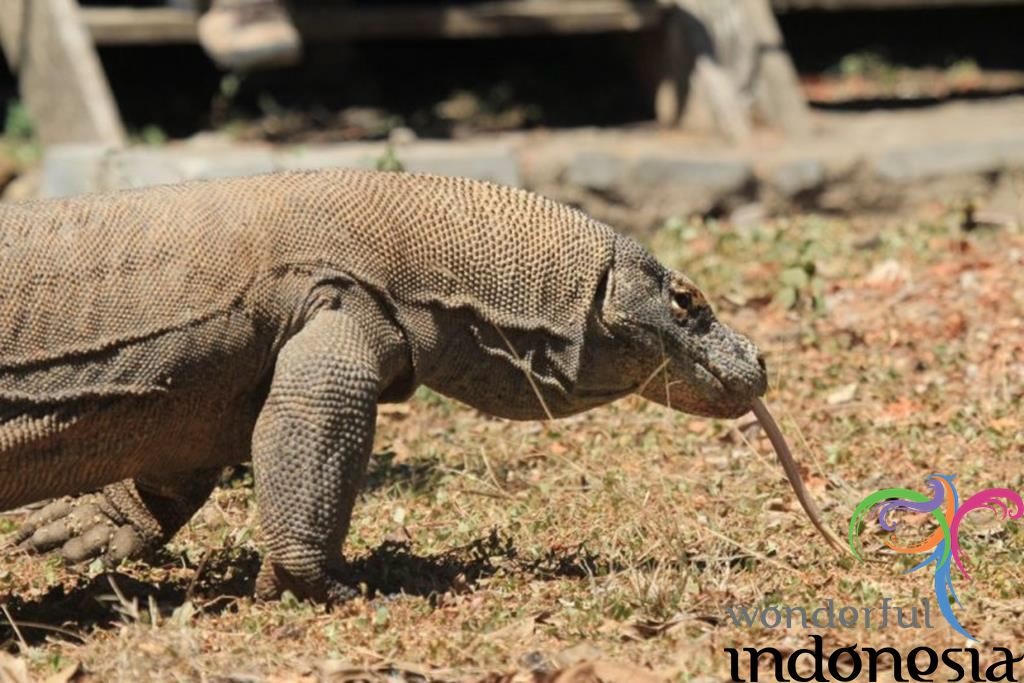
The East Nusa Tenggara Natural Resources Protection Agency (BBKSDA NTT) has announced the installation of 12 cameras to monitor the movement of Komodo dragons in the Porto area, part of the Manggarai Timur district. This measure aims to track the movements of these large reptiles and prevent any potential conflicts between Komodos and local residents.
In a statement from the head of BBKSDA NTT, Adi Nurul Hadi, it was confirmed that these cameras will assist in monitoring Komodo activity, especially after residents of the Parasai village reported the sighting of a Komodo measuring approximately 1.7 meters that attacked livestock. Such incidents raise concerns among the population, necessitating preventive actions.
Details of the Initiative
In addition to the camera installations, the agency has also set up traps in the area to prevent Komodos from entering residential zones. Hadi emphasized the importance of protecting this endangered species, pointing out the need for local community cooperation in conservation efforts.
He also noted that Komodos are not only found on Rinca and Komodo Islands but are also present in other regions of Flores Island, including Manggarai Timur. Therefore, continuous monitoring is essential to safeguard both the residents and the Komodos.
Background & Context
Komodos are protected reptiles under Indonesian law, and their presence in their natural habitat must be preserved. Historically, these reptiles have lived on specific islands, but with increasing human activity, there is an urgent need for better monitoring.
Concerns are growing that the rising number of Komodos could endanger human lives, especially in areas where Komodo habitats overlap with residential zones. Thus, these measures are part of the government's efforts to protect both the Komodos and the local population.
Impact & Consequences
These steps are part of a broader strategy to protect biodiversity in Indonesia. Preserving Komodos can contribute to enhancing eco-tourism, benefiting the local economy. However, this must be done in a way that ensures the safety of local residents.
These efforts require ongoing collaboration between the government and local communities, as residents must be aware of the importance of Komodos and their role in the ecosystem. Additionally, education on how to handle encounters with these reptiles near residential areas is crucial.
Regional Significance
Although the Komodo is an Indonesian species, issues related to wildlife protection concern the entire world. In the Arab region, many endangered species face similar challenges, necessitating the exchange of experiences and collaboration in biodiversity conservation.
Indonesia's experience in managing Komodos could serve as a model for Arab countries, where similar strategies could be adopted to protect endangered species in the region.