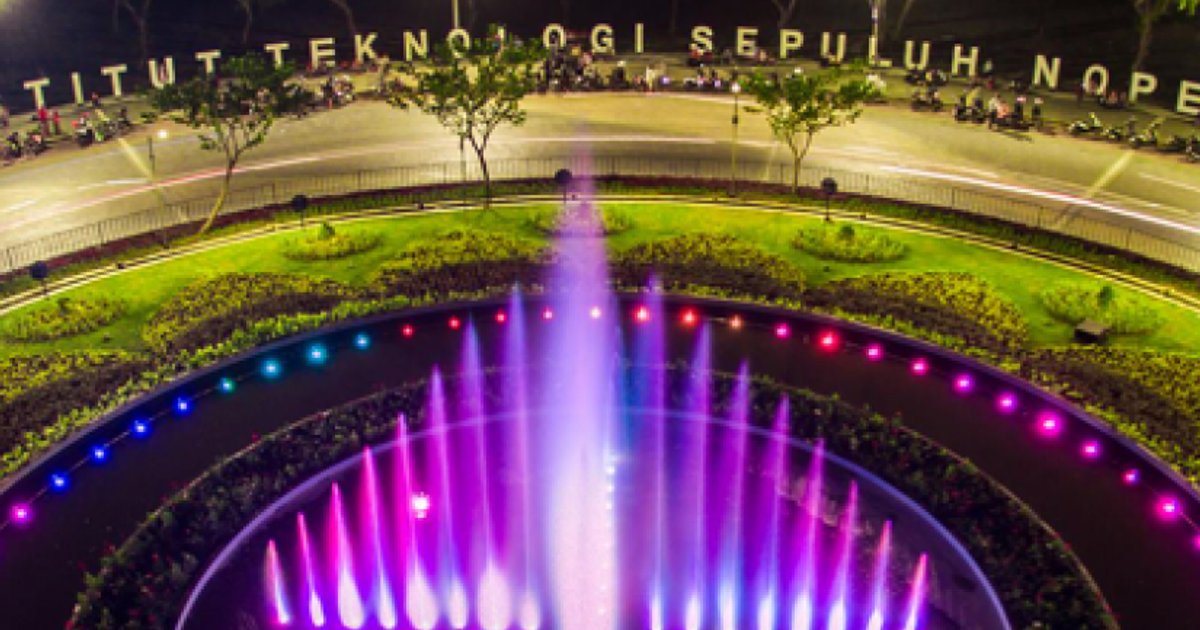
The Institute of Subaria Technology (ITS) in Indonesia has announced the acceptance of 1,716 new students from a total of 18,110 applicants through the National Admission System based on performance (SNBP) for the 2026 academic year. This increase indicates a growing interest among students in enrolling at the institute, as the number of applicants rose by 82 students compared to the previous year.
Nani Kurniati, the head of the admissions and promotion department at the institute, reported that 12,539 students chose the Institute of Subaria Technology as their first choice, while 5,571 students selected the institute as their second choice. This demonstrates an increase in students' prioritization of enrolling at the institute.
Details of the Admission Process
The institute also announced the admission results for students eligible for the KIP-K card, which supports higher education. Among 4,157 applicants for this card, 344 students were accepted, who will undergo an internal selection process at the institute.
Nani explained that students who do not pass the internal selection will receive tuition fee reductions or opportunities for internal scholarships at the institute. Among the 57 study programs, the most sought-after programs include Information Engineering, Electrical Engineering, Industrial Engineering, Mechanical Engineering, and Civil Engineering. The highest competition was observed in the newly launched Mining Engineering program.
Background & Context
The Institute of Subaria Technology was established in 1961 and is considered one of the leading technical institutes in Indonesia. The institute aims to provide high-quality education that aligns with labor market demands. In recent years, the institute has witnessed a significant increase in the number of applicants, reflecting a growing interest in technical disciplines.
This increase in admissions is part of the institute's efforts to support sustainable development goals, particularly the fourth goal focusing on quality education. This success reflects the institute's commitment to providing excellent and relevant education for students.
Impact & Consequences
These results are a positive indicator of the quality of education at the Institute of Subaria Technology, as the increase in accepted students reflects a growing interest in technical disciplines. Additionally, the rise in the number of accepted students may contribute to enhancing the institute's reputation at both regional and international levels.
This success is expected to attract more investments and research projects, thereby strengthening the institute's capacity to offer advanced educational programs that meet market needs. Furthermore, the increase in the number of accepted students may lead to improved education quality through heightened competition among students.
Regional Significance
The experience of the Institute of Subaria Technology serves as a model for the Arab region, where Arab countries can benefit from this experience in enhancing technical and vocational education. Amid current economic challenges, investing in technical education is one potential solution to improve job opportunities and increase productivity.
In conclusion, the success of the Institute of Subaria Technology in accepting a large number of new students is a positive step towards achieving higher education goals in Indonesia and can provide valuable lessons for Arab countries in their quest to improve their educational systems.