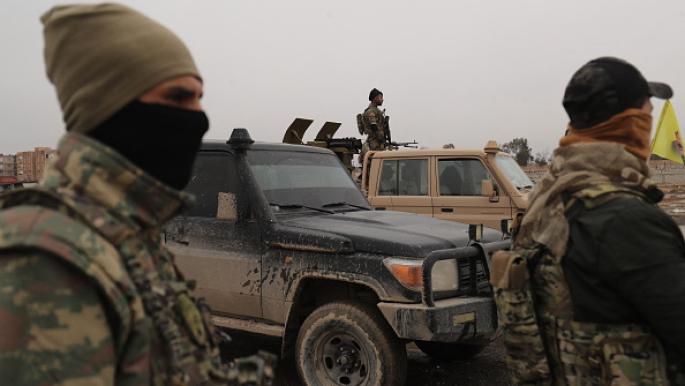
Brigadier General Siaban Hamou, the Assistant Minister of Defense for the Eastern Region of Syria, announced the completion of integrating four brigades of the Syrian Democratic Forces (SDF) into the Syrian Defense Ministry. This announcement marks a significant step in the restructuring of the Syrian armed forces and reflects the government's direction towards strengthening military control in the eastern areas of the country.
This move comes at a time when Syria is facing multiple security and political challenges, as the Syrian government seeks to regain control over areas previously held by the SDF, which is backed by the United States. This process may represent a turning point in the ongoing conflict in the country, as the government aims to reclaim territories lost over the past years.
Details of the Integration
General Hamou explained that the integration process was completed after intensive consultations with the leaders of the four brigades, where mechanisms for cooperation and coordination between the forces were agreed upon. The brigades to be incorporated into the Defense Ministry were selected based on specific criteria related to combat capability and national loyalty.
This integration is part of a comprehensive plan aimed at unifying military efforts in the face of security challenges, including other armed groups that remain active in some areas. This step is expected to improve coordination among various military factions and unify efforts to combat terrorism.
Background & Context
The Syrian Democratic Forces (SDF) were established in 2015 as a military alliance comprising various Kurdish and Arab factions, playing a prominent role in combating the Islamic State (ISIS) in northern and eastern Syria. However, the relationship between the SDF and the Syrian government has been tense, with the government accusing the SDF of operating under the umbrella of U.S. forces.
Despite U.S. support, the SDF faces significant challenges, including pressure from the Syrian government and the desire to regain control over the areas it holds. This integration could be a step towards achieving some form of understanding between the two parties, but the question remains about the success of these efforts in achieving stability in the region.
Impact & Consequences
This step is of great importance for security in the region, as it may lead to a reduction in tensions between government forces and the SDF. If the Syrian government successfully integrates these brigades effectively, it could enhance its military position in the face of security challenges.
However, there are concerns that this integration may escalate tensions with U.S. forces, which continue to support the SDF. Any escalation in relations between these parties could negatively impact stability in the region and complicate the security situation further.
Regional Significance
The implications of this integration extend beyond Syrian borders, potentially affecting relationships between Arab states and major powers in the region. Any change in the balance of power in Syria could reflect on conflicts in neighboring countries such as Iraq and Lebanon, where regional and international interests intersect.
Moreover, the Syrian government's success in integrating the SDF could encourage similar attempts in other parts of the Arab world, where governments seek to strengthen control over armed groups. Ultimately, there is hope that this step will contribute to achieving some form of stability in the region, despite the significant challenges it faces.