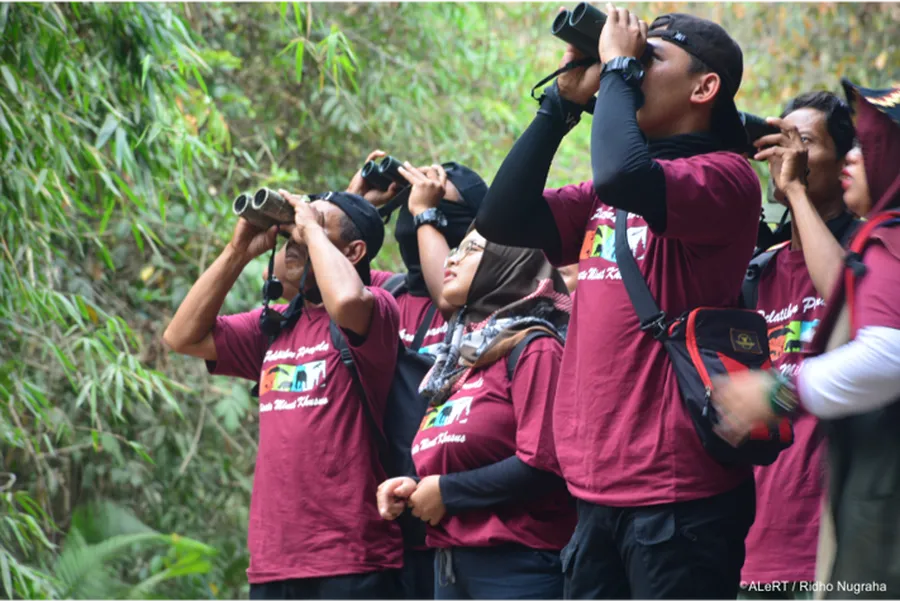
The Kinaria Anak Bangsa Foundation in Jakarta has emphasized the significance of merging the concepts of health and ecotourism, which rely on environmental conservation principles, as a means to boost the local economy and enhance quality of life. This was highlighted during a special meeting focused on the development of health tourism organized by the Department of Culture, Youth, Sports, and Tourism in Klaten Regency, Central Java.
The foundation pointed out that health and ecotourism can contribute to achieving sustainable development, benefiting both the local community and nature. Rosita Yuwanasari Suwardi Wibawa, the founder of Kinaria Anak Bangsa, affirmed that these concepts open new horizons for improving living standards in the concerned areas.
Event Details
The event brought together various stakeholders, including representatives from the Klaten Regency Health Department, hospitals, doctors, as well as experts in health and tourism fields. Numerous topics were discussed, including the importance of research in health tourism and its impact on the community.
There was also a proposal to focus on promoting the concepts of tranquility, well-being, and mental health in Klaten Regency, which lies between the cities of Solo and Yogyakarta. Rosita emphasized the importance of utilizing the region's natural and historical resources, such as fresh springs and archaeological sites, to attract tourists.
Background & Context
Health and ecotourism are emerging trends globally, as many people seek to improve their health and well-being by traveling to destinations that offer a natural and healthy environment. In recent years, there has been increasing interest from governments and NGOs in promoting these tourism patterns.
In Indonesia, health tourism represents a significant opportunity to boost the local economy, especially in areas rich in natural resources. Kinaria Anak Bangsa is one of the leading institutions in this field, aiming to integrate health tourism concepts with environmental conservation.
Impact & Consequences
The development of health and ecotourism can lead to improved economic and social conditions in targeted areas. By attracting tourists, job opportunities can increase, and living standards can improve. Furthermore, focusing on environmental conservation can contribute to protecting natural resources for future generations.
Moreover, promoting health tourism can enhance the overall health of local populations by providing better health services and increasing awareness of the importance of health and well-being.
Regional Significance
The Arab region is also witnessing growing interest in health and ecotourism, as many countries strive to develop this sector as part of their economic strategies. The lessons learned from Indonesia's experience can be beneficial for Arab countries in promoting sustainable tourism.
In light of the environmental and economic challenges faced by many Arab nations, health and ecotourism can be an effective means to achieve sustainable development and boost the local economy.