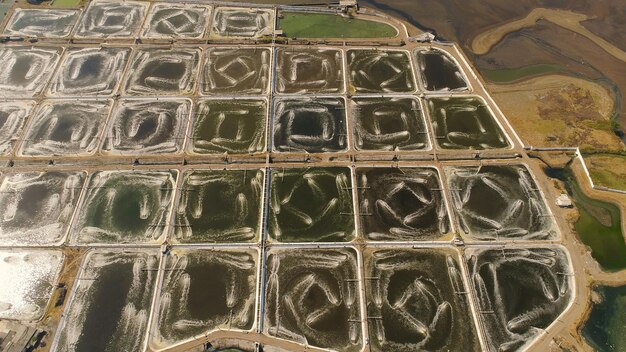
The Indonesian Ministry of Marine Affairs and Fisheries (KKP) has announced plans to initiate an integrated shrimp farming project in the Waingapu area of East Nusa Tenggara by 2027. The Director General of Aquaculture at the ministry, Tip Heryo Rahayu, confirmed that the project, which is scheduled for completion within three years, will see some of its units start production as early as next year.
In a press conference held in Jakarta, Tip explained that lands that were previously savannah are now being transformed into areas designated for shrimp farming. Recent documents, up to March 31, 2026, indicate that several heavy machinery units have commenced operations on site.
Project Details and Objectives
The shrimp farming project in Waingapu is considered a model for sustainable agriculture, designed according to the best technical standards. Tip pointed out that the goal is not only to achieve high shrimp productivity but also to ensure the sustainability of the program. The project is located in Palakahimbi Village and Watumbaka District in the Bandawal area of East Sumba Regency.
The project relies on the concept of integrated shrimp farming, which includes the development of infrastructure from marine water inputs to wastewater treatment, along with the provision of necessary equipment and machinery. The project spans approximately 2,150 hectares, with a built area reaching 1,361 hectares, and is expected to produce around 52,000 tons of shrimp annually.
Background & Context
Indonesia is one of the largest shrimp-producing countries in the world, with the aquaculture industry playing a vital role in the national economy. In recent years, the country has witnessed a significant increase in shrimp production, contributing to enhanced exports and substantial economic returns. However, the industry faces challenges related to environmental sustainability, making projects like Waingapu essential for balancing productivity with environmental preservation.
The Indonesian government seeks to enhance cooperation between the public and private sectors and local communities, reflecting its commitment to developing the marine economy. The project exemplifies how modern technology can be integrated with traditional practices to achieve sustainable outcomes.
Impact & Consequences
The Waingapu shrimp farming project is expected to boost the local economy by creating new job opportunities and improving the living standards of local residents. It is also seen as an important step towards achieving food security in Indonesia, as it contributes to increasing shrimp production to meet both local and international demand.
Additionally, the project demonstrates how developing countries can sustainably utilize their natural resources, potentially inspiring other nations in the region to adopt similar practices. The success of this project could lead to increased investments in Indonesia's aquaculture sector, enhancing its position as a key player in the global shrimp industry.
Regional Significance
The shrimp farming industry is a significant sector in many Arab countries, with some nations relying on shrimp imports from Indonesia. The success of the Waingapu project may open new avenues for trade cooperation between Indonesia and Arab countries, contributing to strengthening economic relations and increasing investment opportunities.
Ultimately, the Waingapu shrimp farming project serves as a model for achieving sustainable development in the marine agriculture sector, highlighting the importance of innovation and collaboration in meeting economic and environmental goals.