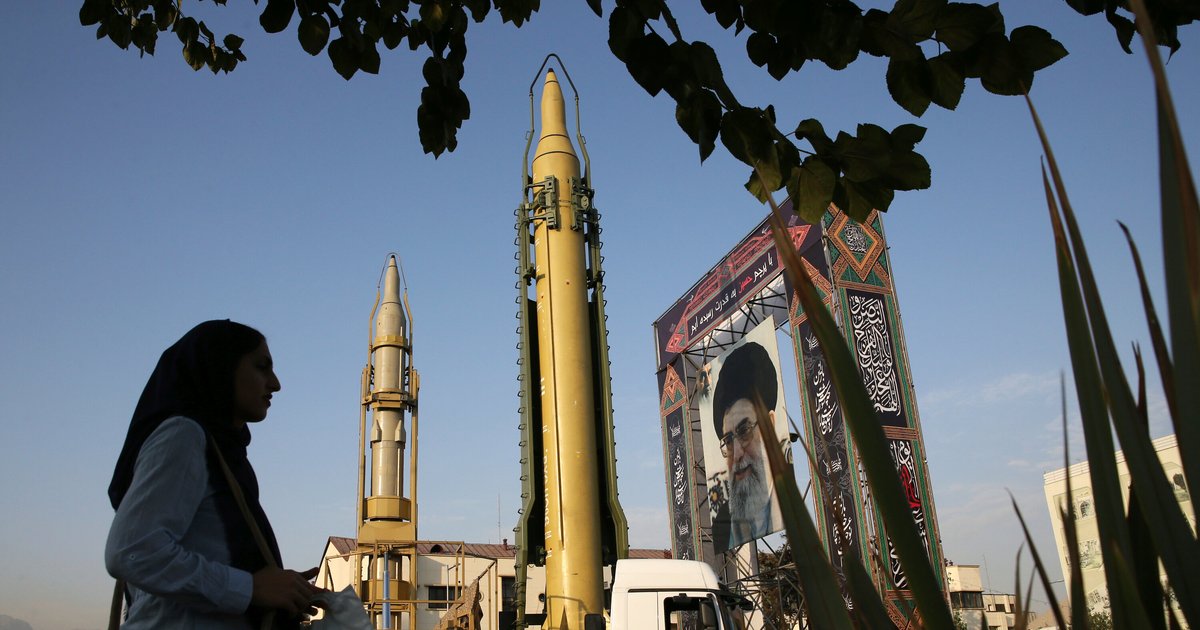
A recent U.S. intelligence assessment presents a starkly different picture from the official narrative adopted by President Donald Trump's administration regarding the trajectory of the conflict in Iran. The assessment, reported by CNN from informed sources, confirms that Tehran still maintains approximately half of its missile capabilities and thousands of drones.
The assessment warns that setting a timeline to conclude operations within two weeks is unrealistic, which has provoked a fierce backlash from the White House and the Pentagon, who quickly attacked these leaks.
Details of the Assessment
Despite the intense daily bombardment carried out by U.S. and Israeli forces over the past five weeks, the assessment shows that nearly half of Iran's missile launch platforms remain intact, along with thousands of suicide drones. The network quoted an intelligence source confirming that the Iranians are still fully prepared to create "massive chaos" throughout the region.
Reports indicate that Israel, Gulf states, and U.S. bases in the region continue to face regular barrages of Iranian missiles and drones, suggesting—according to intelligence sources—that Tehran still possesses operational capabilities that are not merely theoretical stockpiles.
Background & Context
These assessments starkly contradict President Trump's announcements that Iran's capabilities have significantly diminished and that weapon factories and launch platforms have been destroyed. He set a timeline for concluding operations ranging from two to three weeks. However, the new intelligence assessment highlights a completely different reality.
CNN also reported that a source familiar with the intelligence assessment stated that it is possible to continue damaging the remaining arsenal, but added emphatically: "You are completely mistaken if you think this can be accomplished within two weeks."
Impact & Consequences
For his part, U.S. Secretary of Defense Mark Esper downplayed the significance of the remaining arsenal, stating: "Yes, they will continue to launch some missiles, but we will shoot them down... In the last 24 hours, we recorded the lowest number of incoming missiles and drones." However, Israeli military leadership estimates the remaining platforms at a lower figure (between 20% and 25%), but matching sources clarified that the Israeli count only includes exposed platforms.
On the strategic maritime front, the assessment revealed that a significant portion of cruise missiles designated for coastal defense remains intact, granting Tehran a continuous ability to threaten shipping in the Strait of Hormuz. This comes at a time when Washington privately acknowledges the difficulty of ensuring the vital strait remains open before the conclusion of the war.
Regional Significance
Concerns are rising in the region regarding Iran's continued ability to threaten regional security, as reports indicate that the naval force of the Revolutionary Guard still retains about half of its capabilities. This situation reflects significant challenges for U.S. and Israeli forces in countering Iranian threats and complicates the security landscape in the Middle East.
In conclusion, the intelligence leaks reported by CNN depict a more complex picture of Iran's arsenal, amidst ongoing debates within Washington regarding the realism of claims about concluding operations within a few weeks.