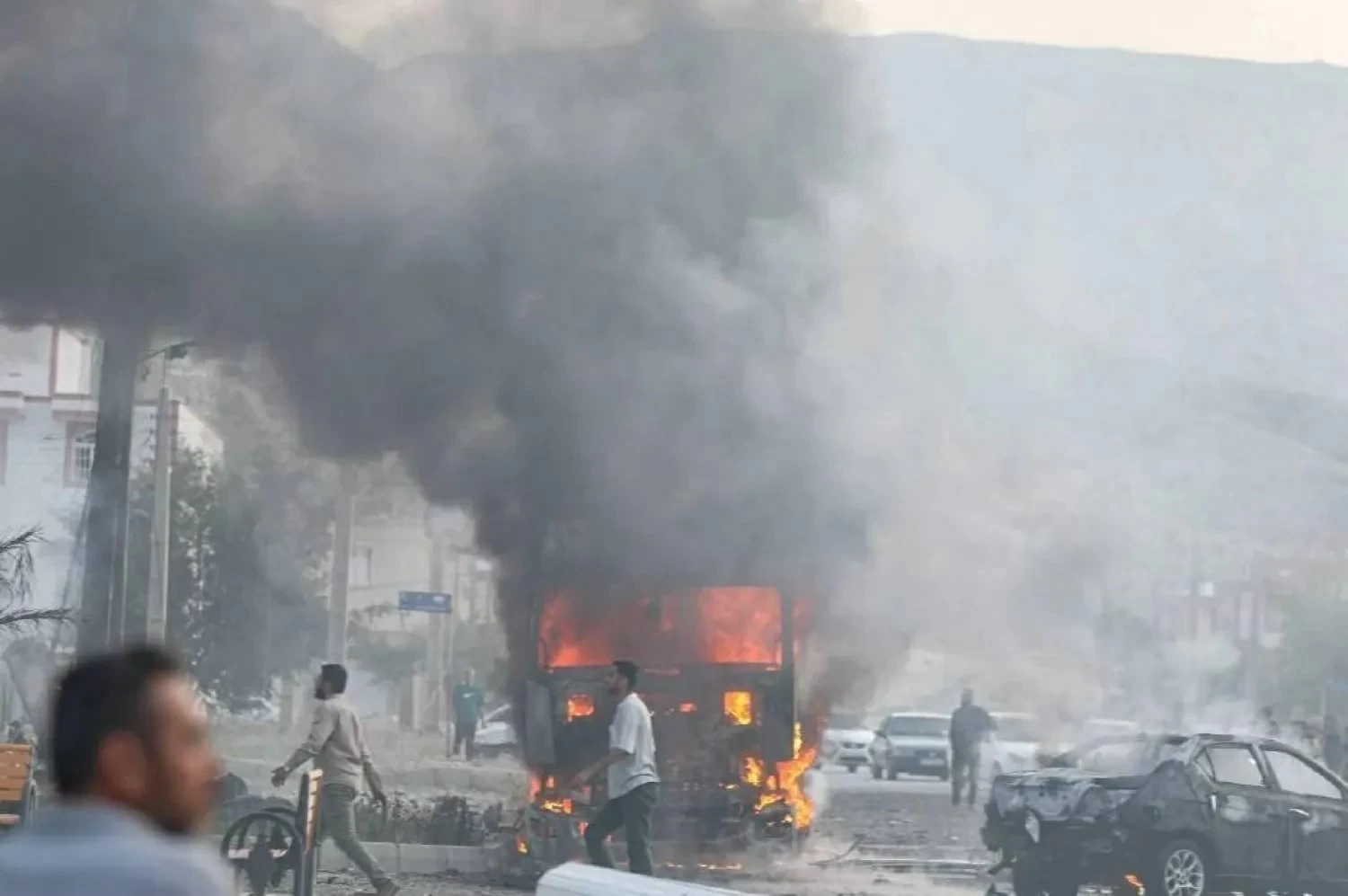
The New York Times reported that the ongoing war in Iran has resulted in sharp divisions within the Iranian leadership, significantly affecting its ability to make decisions and coordinate extensive attacks. These divisions also complicate the efforts of the Iranian negotiating team with the United States to reach an agreement that would end the conflict.
Since the war began on February 28, dozens of Iranian leaders from both the first and second tiers have been killed, leaving those who remain in a state of confusion and difficulty in communication. Many of these leaders have become unable to meet in person for fear of being targeted by airstrikes from the United States or Israel.
Details of the Situation
Despite the ongoing operations of Iranian security and military agencies, the government's ability to plan new strategies has significantly declined. The administration of former U.S. President Donald Trump had discussed negotiations with a new Iranian leadership, indicating that pressure was being applied to expedite an agreement to end the war. However, the diminishing decision-making capacity of the government makes it challenging for them to negotiate effectively or make significant concessions.
Sources indicated that the presence of multiple leadership factions within the Iranian government could lead to ambiguity regarding what the government can concede or even which party should be consulted during negotiations.
Background & Context
The current war began with an Israeli strike targeting the command complex, assassinating Supreme Leader Ali Khamenei and several national security leaders. This strike severed many ties between security, military, and civilian decision-makers, increasing confusion and suspicion among the remaining government leaders.
Communication issues within Iran have created a climate of fear among leaders, who are concerned that Israeli intelligence may intercept their calls and messages, making them hesitant to conduct necessary communications.
Impact & Consequences
It remains unclear how much control the new Supreme Leader Mohsen Khamenei has over the government, as he has not appeared publicly since the war began. Some intelligence officials believe he may merely be a figurehead, while the actual leadership of the Revolutionary Guard is the one making decisions. This dynamic could affect Iran's ability to negotiate effectively with the United States.
U.S. officials see that hardliners within the Revolutionary Guard have become more influential, complicating the political landscape in Iran. However, the question remains whether a figure capable of reaching an agreement with the United States will emerge and whether they will be able to convince other officials to agree to it.
Regional Significance
The ongoing tensions in Iran directly affect the stability of the Arab region, as any escalation in the conflict could have serious repercussions for neighboring countries. Additionally, the declining decision-making capacity of Iran may open the door for other regional powers to enhance their influence in the area.
In conclusion, the situation in Iran remains volatile, as the purging of leadership and the absence of effective coordination could exacerbate internal crises, negatively impacting regional security and stability.