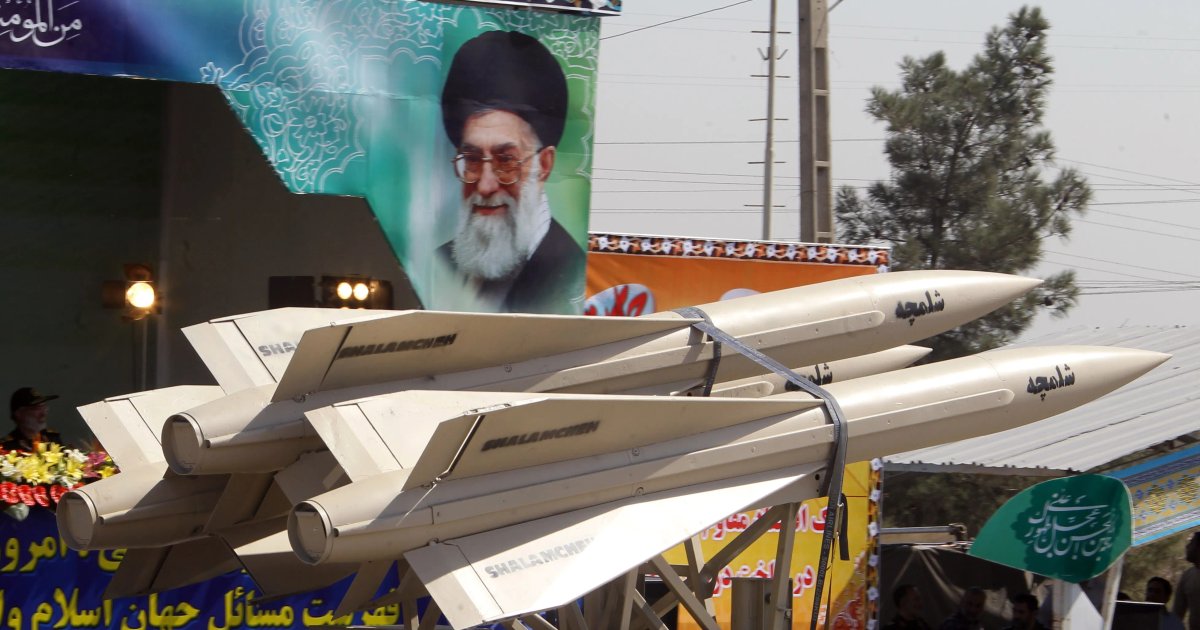
German intelligence agencies have issued warnings regarding potential threats related to hybrid attacks that may be carried out by groups associated with Iran. As security concerns grow, political leaders in the country, including Chancellor Friedrich Merz, have chosen to publicly downplay the significance of these warnings.
These warnings come at a sensitive time for Germany, as the country continues to face multiple security challenges, including both traditional and non-traditional threats. Intelligence officials have indicated that these groups may employ hybrid methods that combine cyberattacks with conventional tactics, complicating the security landscape.
Details of the Threat
In closed sessions, intelligence agencies informed political leaders of their concerns that groups linked to Iran might seek to exploit the current situation in Europe to carry out attacks targeting critical infrastructure or individuals. Despite these warnings, political leaders have not taken concrete steps to enhance security measures, raising concerns among some security experts.
There is increasing apprehension that these groups could benefit from the current geopolitical tensions, especially with the rising strains between Iran and the West. Some analysts have pointed out that these groups may be driven by political or religious agendas aimed at destabilizing European nations.
Background & Context
Historically, Germany has been vulnerable to security threats from extremist groups, whether linked to terrorism or political agendas. As tensions in the Middle East escalate, it has become clear that these threats may transcend borders, necessitating greater attention from German authorities.
In recent years, Europe as a whole has witnessed an increase in intelligence activities, as countries strive to bolster their capabilities to address rising threats. However, the downplaying of risks by political leaders may undermine efforts to protect national security.
Impact & Consequences
If these groups continue to execute hybrid attacks, it could lead to instability in Germany and Europe as a whole. This may result in heightened tensions between European nations and Iran, potentially affecting diplomatic and economic relations.
Moreover, downplaying the risks could leave authorities unprepared to confront potential threats, increasing the likelihood of security incidents. Therefore, it is crucial for the German government to reassess its security strategies and adopt a more proactive approach.
Regional Significance
These developments are particularly significant for the Arab region, as any escalation in tensions between Iran and Western nations could directly impact regional security. Gulf countries may be especially affected, as their relations with Iran are marked by ongoing tensions.
In this context, Arab nations must remain vigilant regarding developments in Europe and enhance their security strategies to address any potential threats that may arise as a result of these tensions.
In conclusion, the intelligence warnings about hybrid attacks linked to Iran underscore the urgent need to strengthen security cooperation between European and Arab nations to tackle the increasing security challenges in a complex and changing world.