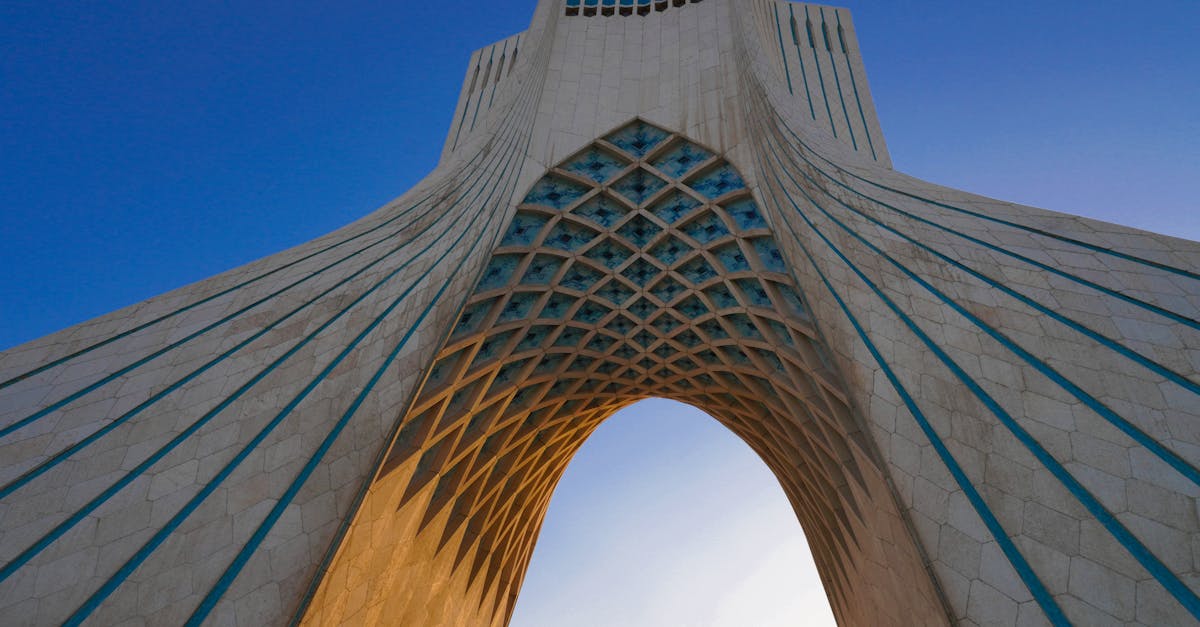
In the hours leading up to the ceasefire announcement between the United States and Iran, critical developments unfolded, marked by intense diplomatic exchanges. The escalating tensions in the region prompted both parties to take urgent steps to de-escalate the situation.
Amid rising tensions, diplomatic sources confirmed that communications between Washington and Tehran had notably increased, as both nations sought to avoid military escalation that could lead to dire consequences for regional and international security. These communications came at a sensitive time, with fears of armed conflict arising from recent events.
Details of the Event
According to informed sources, messages were exchanged between senior officials from both countries, emphasizing the importance of dialogue and negotiation as a means to resolve disputes. Reports indicated that there were concerted efforts by international mediators, including European nations, to facilitate discussions between the two sides.
Additionally, reports suggested that the United States had expressed a willingness to ease some sanctions imposed on Iran in exchange for Tehran's commitment to refrain from escalating military activities. This move could represent a significant shift in U.S. policy towards Iran, which has experienced increasing tensions since Washington's withdrawal from the nuclear agreement in 2018.
Background & Context
The roots of tensions between the United States and Iran extend back decades, with the relationship between the two countries experiencing numerous crises. Since the Iranian Revolution in 1979, Iran has become a target of U.S. foreign policy, leading to the imposition of economic and military sanctions on Tehran.
In recent years, tensions have escalated significantly, particularly following attacks on oil facilities in Saudi Arabia, which Iran was accused of orchestrating. These events prompted increased military preparations by the United States in the region, further heightening tensions.
Impact & Consequences
A ceasefire between the United States and Iran could have positive implications for regional security, potentially contributing to a reduction in military tensions and enhancing opportunities for diplomatic dialogue. However, any lasting agreement would require genuine commitment from both parties.
On the other hand, this development may impact U.S. allies in the region, such as Saudi Arabia and Israel, who may feel concerned about any rapprochement between Washington and Tehran. These countries might seek to strengthen their alliances to counter any potential threats.
Regional Significance
Any improvement in relations between the United States and Iran could have direct effects on the situation in Iraq, Syria, and Lebanon, where Iran plays a pivotal role. A ceasefire could lead to a reduction in Iranian influence in the region, providing an opportunity for Arab nations to bolster their stability.
In conclusion, the recent developments indicate the possibility of progress in U.S.-Iran relations, but challenges remain. Continuous efforts from all parties involved are necessary to ensure the sustainability of peace and security in the region.