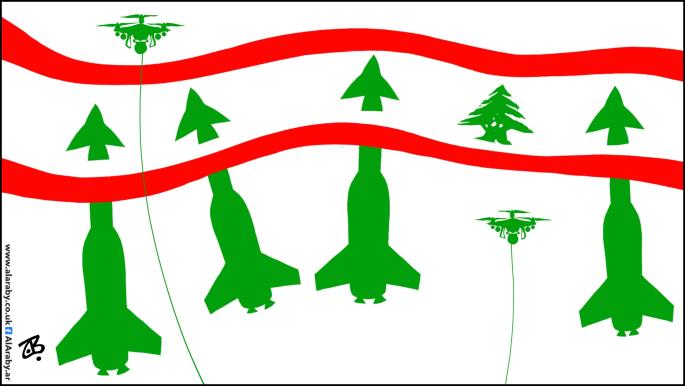
Lebanon is facing increasing bombing operations, escalating tensions in the region. These developments come at a sensitive time as political and economic crises intensify.
Reports indicate that the bombing targeted multiple areas in Lebanon, resulting in injuries and significant material damage. These events occur amidst rising tensions among various political factions in the country, raising concerns about worsening humanitarian conditions.
Event Details
According to local sources, areas in southern Lebanon have been subjected to intense bombing, with Israeli forces targeting Hezbollah positions. This bombing follows a series of border clashes that have complicated the security situation further.
Reports also state that the bombing has resulted in the deaths of several civilians, provoking widespread condemnation from humanitarian organizations. Many officials have called for an immediate cessation of hostilities and a search for peaceful solutions.
Background & Context
Historically, Lebanon has experienced multiple conflicts due to regional and local tensions. Since the end of the civil war in the 1990s, the country has suffered from political instability, making it susceptible to external interventions. The recent bombing reflects the continuation of these complex dynamics.
These events coincide with the economic crises plaguing Lebanon, where citizens are facing severe shortages of essential resources. The deteriorating economic situation exacerbates social tensions, making it difficult for the government to manage the circumstances.
Impact & Consequences
The military escalation in Lebanon could have serious repercussions for regional security. If hostilities continue, the conflict may expand to include neighboring countries, threatening stability across the Middle East.
Moreover, the ongoing bombing could worsen humanitarian conditions, as residents suffer from a lack of basic services. Humanitarian organizations warn that the situation could become catastrophic if urgent measures are not taken to halt the escalation.
Regional Significance
The events in Lebanon have direct implications for neighboring Arab countries. The rising tensions may lead to increased political divisions in the region, undermining peace and stability efforts.
Furthermore, the humanitarian crises resulting from the bombing could lead to an influx of refugees into neighboring countries, increasing pressure on those nations. This situation requires a response from the international community to ensure the protection of civilians.
In conclusion, the situation in Lebanon remains concerning, necessitating urgent action from the involved parties to prevent further escalation and ensure civilian safety.