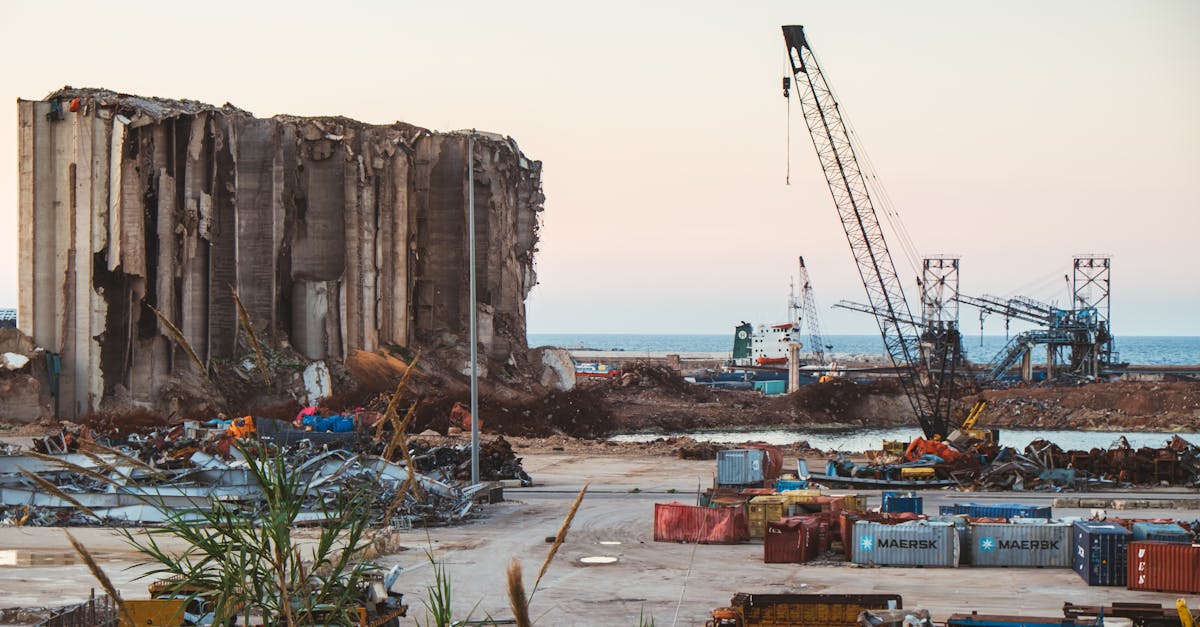
Five Gulf countries have been subjected to a series of intense Iranian attacks since February 28, 2026, with over 5,655 missiles and drones launched, in addition to airstrikes, as part of Iran's response to American-Israeli strikes.
These attacks have directly and indirectly targeted civil and economic infrastructure, resulting in extensive physical damage and disruptions in the energy, transportation, and service sectors.
Event Details
According to data released by official institutions in the Gulf states, the strikes focused on vital facilities, including airports, ports, oil refineries, and power and water stations, as well as residential areas and government complexes. This pattern of attacks reflects a targeting strategy that extends beyond military objectives to impact the core of the economy and essential services.
In Saudi Arabia, the attacks targeted civilian and strategic facilities, including the U.S. embassy in Riyadh, which was hit by two drones, resulting in material damage without human casualties. Additionally, major refineries in Ras Tanura and Yanbu were targeted, which are vital facilities representing a cornerstone in the oil export system, especially via the Red Sea as an alternative to the Strait of Hormuz.
In Kuwait, official data showed an expansion in the scope of damage, as drones targeted the government complex in the capital, leading to significant damage to the building. Major oil facilities, including the Al-Ahmadi port refinery, were also attacked, causing fires and substantial material losses.
In the UAE, a different pattern of damage emerged, represented by debris from intercepted missiles and drones, leading to fires in industrial facilities, such as the Borouge petrochemical plant and Habshan gas facilities. Some of these incidents resulted in fatalities and injuries, mostly due to shrapnel.
In Bahrain, the attacks targeted industrial and oil facilities, including those belonging to Bapco Energies and the Gulf Petrochemicals Industries Company, with limited injuries and material damage reported. Shrapnel from intercepted drones also injured civilians and damaged homes in residential areas.
In Qatar, the Ministry of Defense announced the continuation of Iranian drone and missile attacks, most of which were intercepted, with industrial facilities in Ras Laffan experiencing attacks that led to fires and halted operations, disrupting gas production.
Context and Background
These attacks come amid escalating regional tensions, as Iran seeks to strengthen its position in the region by targeting the infrastructure of Gulf states. This escalation reflects the ongoing tensions between Iran and the United States and its allies, complicating the security situation in the Gulf region.
Historically, the region has witnessed multiple conflicts, but these attacks represent a shift in Iranian strategy, now targeting vital infrastructure instead of traditional military objectives. This trend reflects Iran's desire to create a significant economic impact on Gulf countries.
Consequences and Impact
Data shows that most of the damage was material, with a relatively successful air defense system intercepting a significant percentage of the attacks. However, the impact of shrapnel and limited strikes continued to cause direct losses.
These attacks have also affected the tourism sector and air traffic, with major cities like Dubai and Doha witnessing a decline in tourism activity, coinciding with disruptions in flight operations and partial closures of airspace, leading to indirect economic losses.
Impact on the Arab Region
These events underscore the importance of enhancing security cooperation among Gulf states to address the increasing threats. Additionally, these attacks may lead to increased investments in defense and security, potentially impacting the public budgets of the concerned countries.
In conclusion, these attacks pose a significant challenge to security and stability in the region, necessitating a coordinated response from Gulf states to confront these escalating threats.