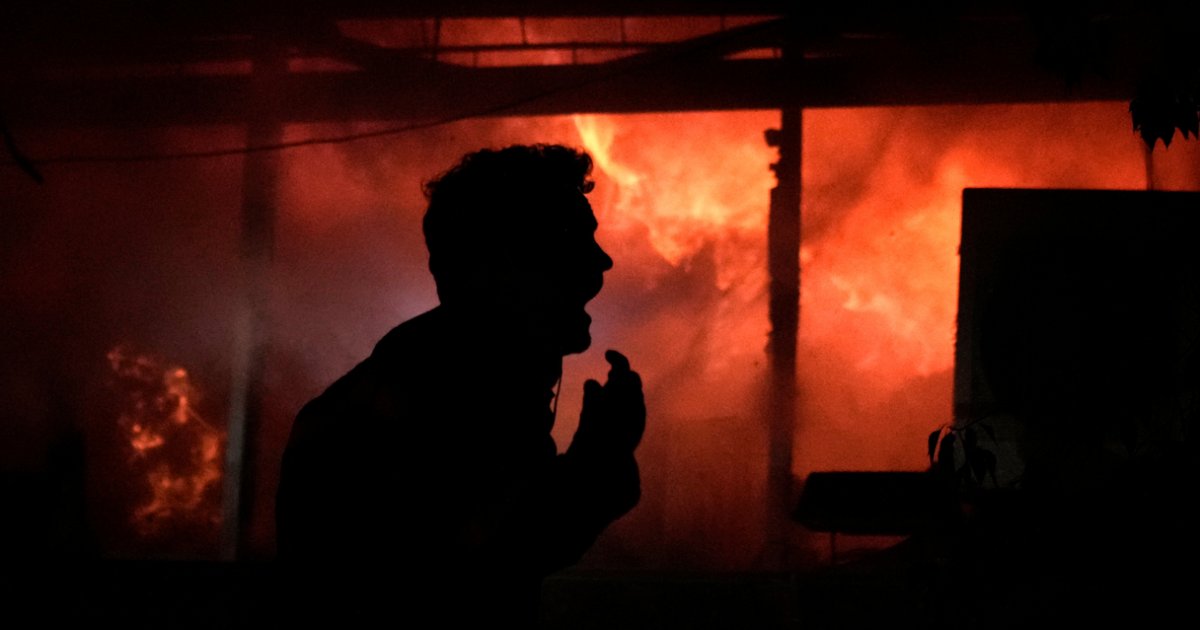
Israeli forces have conducted intensive missile strikes on the Lebanese capital, Beirut, targeting several locations in the city, resulting in significant damage. This escalation occurs at a sensitive time, following Iran's announcement of a ceasefire, raising questions about the true objectives behind these airstrikes.
Israeli military sources confirmed that these attacks are part of the ongoing war against Hezbollah, which the Israeli occupation considers a major threat to its security. Israeli army spokespersons indicated that military operations will continue until the specified objectives are achieved.
Details of the Event
In the early hours of this morning, Israeli warplanes launched missiles at several targets in Beirut, including sites believed to be affiliated with Hezbollah. Initial reports indicated civilian casualties, along with substantial material damage.
These airstrikes come at a time of increasing tension in the region, as Iran had recently announced a ceasefire, prompting speculation about whether Israel is attempting to send a strong message to Tehran and its allies in Lebanon.
Background & Context
Historically, relations between Israel and Lebanon have been marked by ongoing tensions, especially following the Lebanese War in 2006. Hezbollah, which enjoys significant Iranian support, is one of the most prominent armed factions in Lebanon and has engaged in several confrontations with the Israeli army over the years.
These events coincide with rising tensions in the Middle East, as Iran seeks to bolster its influence in the region, increasing concerns among neighboring countries, including Israel.
Impact & Consequences
These Israeli airstrikes represent a serious escalation that could lead to greater conflict between Israel and Hezbollah. If military operations continue, we may witness severe humanitarian repercussions for civilians in Lebanon, along with negative impacts on regional stability.
This escalation may also affect relations between Iran and Western countries, potentially leading to a reassessment of policies toward Tehran, especially amid the tense situation in the region.
Regional Significance
Events in Lebanon directly impact neighboring Arab countries, as they could lead to waves of displacement and refugee flows, putting additional pressure on host nations. Moreover, the military escalation may reflect on regional security, necessitating international intervention to calm the situation.
In conclusion, the situation in Lebanon remains under close observation, with analysts expecting tensions to continue rising unless effective diplomatic solutions are reached.