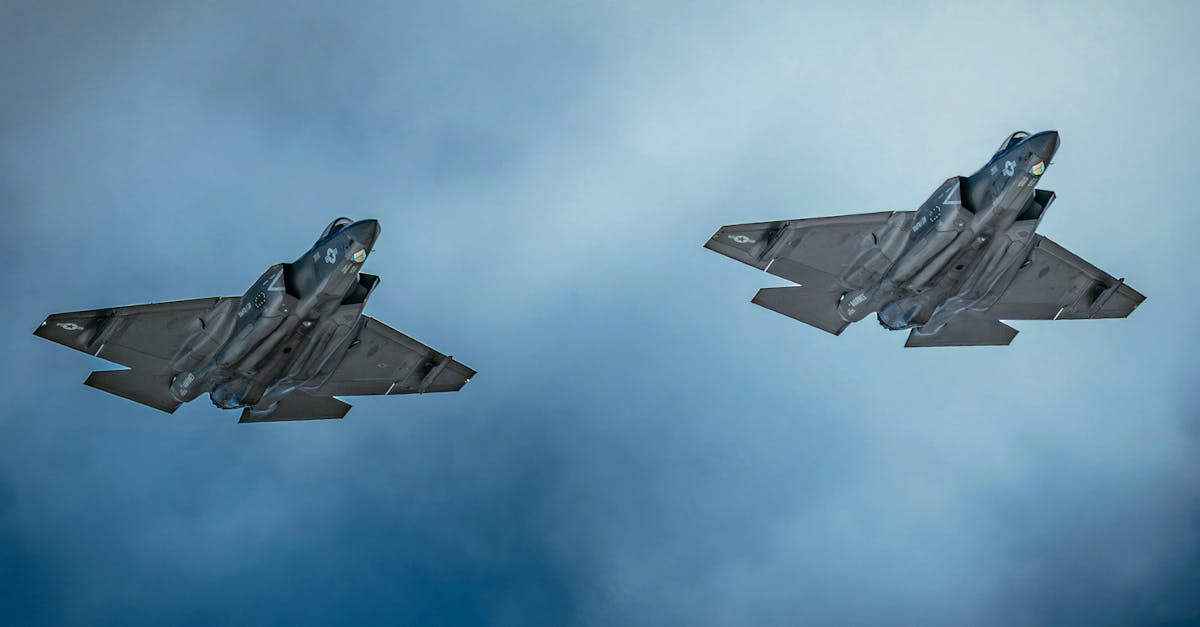
The United States and Israel have conducted intensive airstrikes on various regions in Iran as tensions between Washington and Tehran rise. These strikes come just before the deadline set by President Donald Trump, which expires on Tuesday evening, for Iran to reach an agreement regarding its nuclear program.
The airstrikes target military facilities and infrastructure linked to Iran's nuclear program, showcasing the U.S. administration's determination to pressure Tehran into compliance with its demands. These aerial operations were carried out in coordination between U.S. and Israeli forces, highlighting the military cooperation between the two allies in addressing security challenges in the region.
Details of the Event
Reports indicate that the strikes targeted sensitive sites in Iran, including military bases and research and development facilities. These attacks have resulted in significant damage, although no casualties have been reported so far. This operation occurs at a critical time as Iran seeks to strengthen its position in nuclear negotiations, complicating the situation in the region further.
At the same time, military sources confirmed that these strikes are part of a broader strategy aimed at undermining Iran's capability to develop nuclear weapons. U.S. officials have warned that Iran's failure to respond to demands could lead to further escalation in military operations.
Background & Context
The current tensions between the United States and Iran trace back to Washington's withdrawal from the Iranian nuclear deal in 2018. Since then, the U.S. has imposed severe economic sanctions on Iran, significantly impacting its economy. In response, Iran has expanded its nuclear program, raising concerns within the international community.
These airstrikes are considered part of the maximum pressure policy adopted by the Trump administration, aimed at forcing Iran back to the negotiating table. The relationship between Iran and Israel has also seen increased tension, with Israel viewing Iran as an existential threat, making it a key partner in military operations against Tehran.
Impact & Consequences
These airstrikes may lead to further escalation in the conflict between Iran and the United States, threatening regional stability. Iran's potential reaction to these attacks could exacerbate the situation, as Tehran may seek revenge by targeting American interests or its allies in the region.
On the international front, these developments could prompt major powers to reassess their positions towards Iran, potentially affecting future negotiations regarding its nuclear program. Additionally, military escalation may raise concerns among neighboring countries, which fear the repercussions of any armed conflict in the region.
Regional Significance
Arab countries neighboring Iran are on high alert, fearing that any military escalation could destabilize the region. Some nations have expressed concern over rising tensions and have called for dialogue as a means to avoid conflict.
At the same time, some armed groups in the region may exploit these conditions to enhance their influence, further complicating the security landscape in the Middle East. Any escalation could also impact oil prices and financial markets, negatively affecting Arab economies.
In conclusion, the situation in Iran remains under close observation, with developments expected in the coming hours. The rise in military tensions could alter the balance of power in the region, necessitating cautious positions from Arab nations to face future challenges.