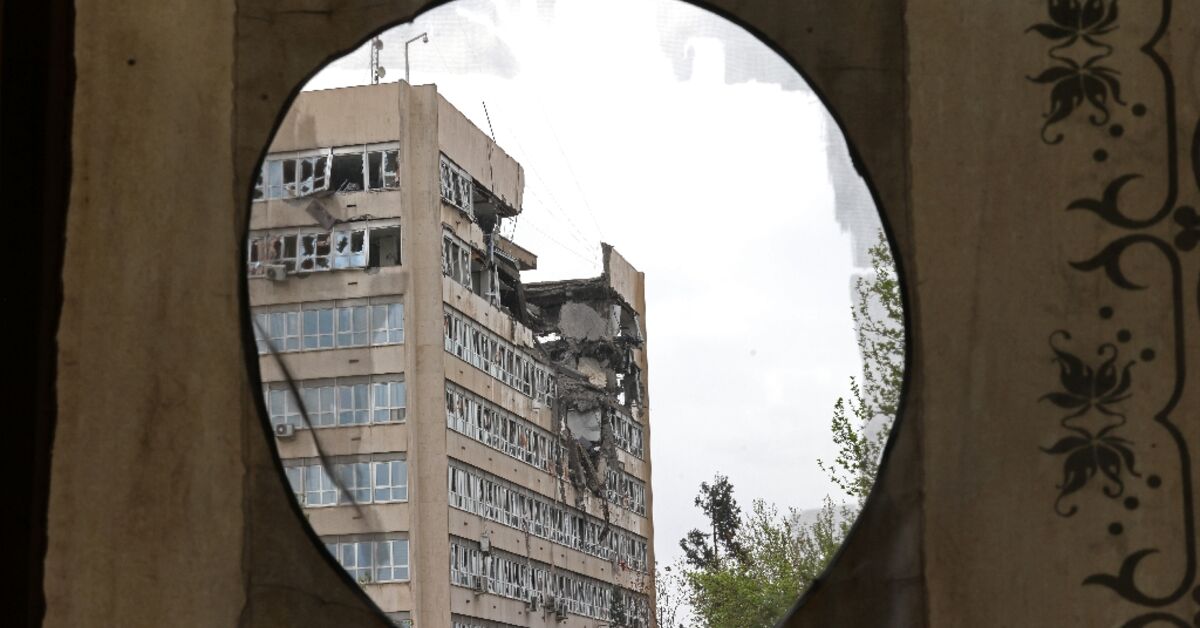
Attention is focused on vigorous diplomatic efforts aimed at ending the ongoing conflict in the Middle East. The Iranian ambassador to Pakistan, who plays a mediating role between Iran and the United States, stated that these efforts are approaching a critical phase. Ambassador Reza Amiri Moghaddam confirmed via X platform that the current endeavors are characterized by positivity and effectiveness, indicating the possibility of achieving tangible progress in negotiations.
At the same time, Israeli forces issued a warning to Iranians regarding train usage, urging them to avoid traveling by train until 1730 GMT on Tuesday. This warning reflects the ongoing tensions in the region and suggests that the situation remains tense despite diplomatic efforts.
Details of the Event
The Iranian ambassador's remarks come at a time when the region is witnessing an escalation in military actions, as Israeli forces continue their operations in Palestinian territories. These operations have raised concerns within the international community, prompting many countries to call for a ceasefire and the initiation of comprehensive dialogue among the involved parties. The Iranian ambassador did not elaborate on the specifics of the diplomatic efforts but emphasized the importance of dialogue and understanding in resolving disputes.
These developments coincide with multiple efforts by various countries, including Pakistan, which seeks to play a mediating role between Iran and the United States. These efforts are part of the international community's pursuit of peace and stability in the Middle East, a region plagued by ongoing conflicts for decades.
Background & Context
Historically, the Middle East has witnessed numerous armed conflicts that have impacted the stability of nations and peoples. The Iranian-Israeli conflict is one of the most complex disputes, with roots extending back decades of political and religious tensions. Since the Iranian Revolution in 1979, relations between Iran and Israel have become increasingly strained, leading to a rise in hostilities between the two parties.
In recent years, the region has experienced an escalation in military actions, particularly following the United States' withdrawal from the Iranian nuclear agreement in 2018. This withdrawal heightened tensions between Iran and the West, contributing to the worsening of conditions in the region.
Impact & Consequences
These developments carry significant implications for regional and international security. If diplomatic efforts succeed in achieving a ceasefire, it could lead to a de-escalation of tensions in the region, opening the door for broader dialogue that includes all concerned parties. Conversely, if military actions continue, it may lead to greater escalation, threatening the stability of countries in the region and increasing civilian suffering.
Furthermore, the success of negotiations could encourage other countries to engage in peace efforts, reflecting a positive shift in regional politics. Conversely, failure to make progress may exacerbate conditions and complicate relationships among major powers in the region.
Regional Significance
Events in the Middle East directly affect Arab countries, as this region is a center for political and military tensions. Arab nations sharing borders with Iran or Israel, such as Jordan and Lebanon, are increasingly concerned about the escalation of conflicts. Additionally, the situation in Palestine remains a focal point for Arab nations, with many striving to support Palestinian rights and achieve peace in the region.
In conclusion, all eyes remain on upcoming developments, as many hope that diplomatic efforts will yield positive results that contribute to regional stability and the desired peace.