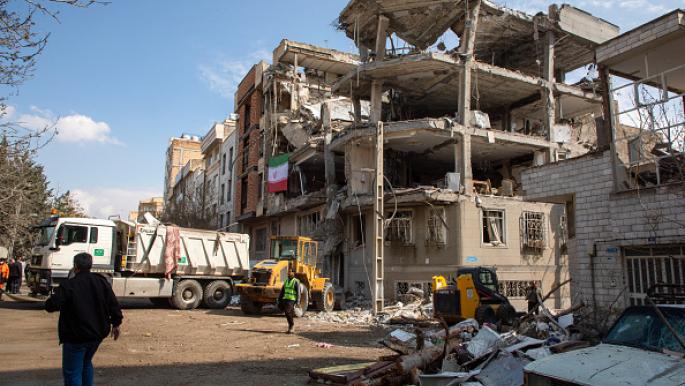
Diplomatic efforts have accelerated in recent hours, with a group of mediators, primarily from Pakistan, striving to reach a potential ceasefire agreement lasting 45 days. These moves come at a sensitive time, as the intensity of the conflict in Iran escalates, raising concerns at both regional and international levels.
The current negotiations involve several key points, including an immediate ceasefire, prisoner exchanges, and the provision of humanitarian aid to areas affected by the conflict. The mediators aim to create a conducive environment for dialogue between the warring parties, which could lead to a permanent resolution of the ongoing crisis.
Details of the Event
Pakistan, traditionally a mediator in regional conflicts, is leveraging its relationships with Iran and neighboring countries to facilitate discussions. Tehran has expressed its willingness to discuss the terms of the ceasefire but insists that any agreement must include guarantees from the international community.
At the same time, major powers such as the United States and Russia are closely monitoring these developments, as any agreement could impact the balance of power in the region. Analysts have noted that the success of these negotiations largely depends on the willingness of the involved parties to make concessions.
Background & Context
Iran has been experiencing an escalation of internal conflict for several months, where political and economic issues intertwine with popular protests. These conditions have exacerbated humanitarian crises, making the need for a ceasefire agreement more urgent.
Historically, Iran has been a focal point for regional conflicts, where the interests of major powers intersect with domestic situations. In recent years, the country has witnessed numerous crises that have intensified both security and economic challenges.
Impact & Consequences
If a ceasefire agreement is reached, it could help alleviate tensions in the region and provide an opportunity to rebuild trust between the parties involved. Additionally, this agreement may open the door for the international community to offer humanitarian and economic support to Iran, which would aid in improving living conditions for its citizens.
However, the question remains regarding the sustainability of this ceasefire, especially in the presence of competing powers seeking to achieve their own interests. Any agreement must include clear mechanisms to monitor compliance with the agreed-upon terms.
Regional Significance
Developments in Iran have a direct impact on neighboring Arab countries, potentially leading to shifts in regional power dynamics. Stability in Iran could contribute to enhanced security in Gulf states, while the continuation of conflict may exacerbate crises in the region.
Ultimately, hope rests on the success of current diplomatic efforts, as peace in Iran could be a step toward greater stability in the Middle East.