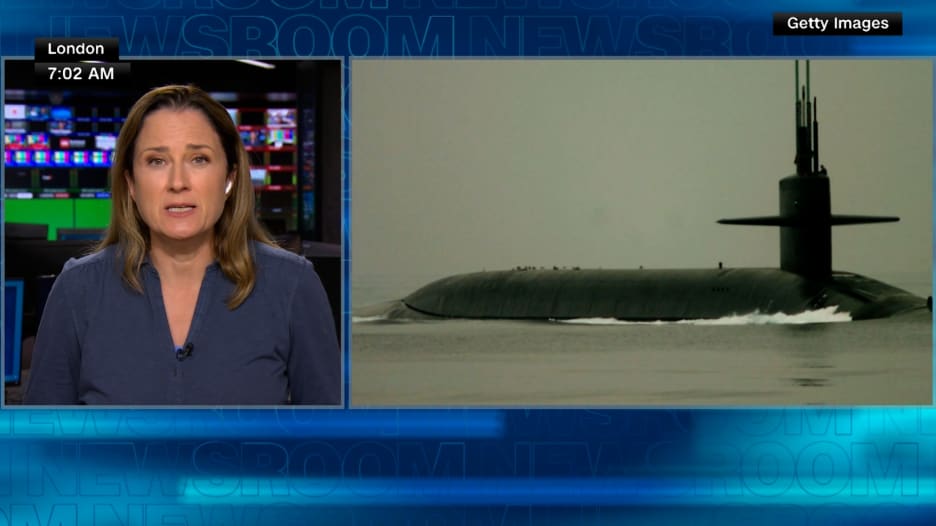
Intensified diplomatic efforts are underway to prevent a potential military escalation between the United States and Iran. While former U.S. President Donald Trump threatened military strikes against Iran, several countries began opening communication channels with the Iranian Revolutionary Guard. These steps are part of mediation attempts aimed at calming the tense situation in the Middle East.
These efforts include both direct and indirect communications between some Arab and European countries and Iran, as mediators seek to find common ground for dialogue. This comes at a time when the region is experiencing increasing tensions, especially following a series of attacks targeting U.S. interests in Iraq and Syria, which Iran is accused of orchestrating.
Event Details
Recent months have seen a rapid escalation of events, with reports indicating that Trump had prepared military plans against Iran. However, diplomatic pressure from U.S. allies, along with fears that military escalation could lead to a full-scale war, prompted the previous U.S. administration to reconsider these plans. In this context, informed sources reported that countries like Qatar and Oman played a role in facilitating communications between Washington and Tehran.
The current diplomatic steps aim to avoid any military escalation that could threaten the stability of the region. Some countries have expressed their willingness to host direct talks between the two parties in an attempt to ease tensions. However, the question remains regarding Iran's seriousness in responding to these initiatives.
Background & Context
Historically, relations between the United States and Iran have been marked by increasing tensions since the Islamic Revolution in 1979. Since then, the United States has imposed strict economic sanctions on Iran, exacerbating the economic and social conditions in the country. In recent years, these tensions have significantly escalated, particularly following the U.S. withdrawal from the Iranian nuclear deal in 2018.
Regional events, such as the conflicts in Syria and Yemen, have further complicated relations between Iran and the United States. Iran is considered a key player in supporting armed groups in the region, heightening American and Arab concerns over its growing influence.
Impact & Consequences
If the current diplomatic efforts succeed, they could lead to a reduction in regional tensions, contributing to the stability of global markets, particularly in the oil sector. Conversely, if these efforts fail, we may witness military escalation that could have serious repercussions for regional and international security.
The impact of these developments also extends to relations between Arab countries and Iran. Gulf countries, in particular, are closely monitoring these efforts, hoping they will lead to a reduction in military tensions and avoid any conflict that could threaten their security and stability.
Regional Significance
The Arab region is at the heart of the conflict between the United States and Iran, being directly affected by any potential military escalation. In the event of escalation, Arab countries may find themselves compelled to take hard stances, which could lead to a division in political positions and increase internal tensions.
At the same time, the current diplomatic efforts may open the door to new opportunities for dialogue and cooperation between Arab countries and Iran. If these countries can find common ground, it could lead to improved regional relations, contributing to stability and peace in the area.
In conclusion, attention remains focused on developments in the region, where current diplomatic efforts represent a significant opportunity to avoid military escalation that could have devastating effects on all parties involved.