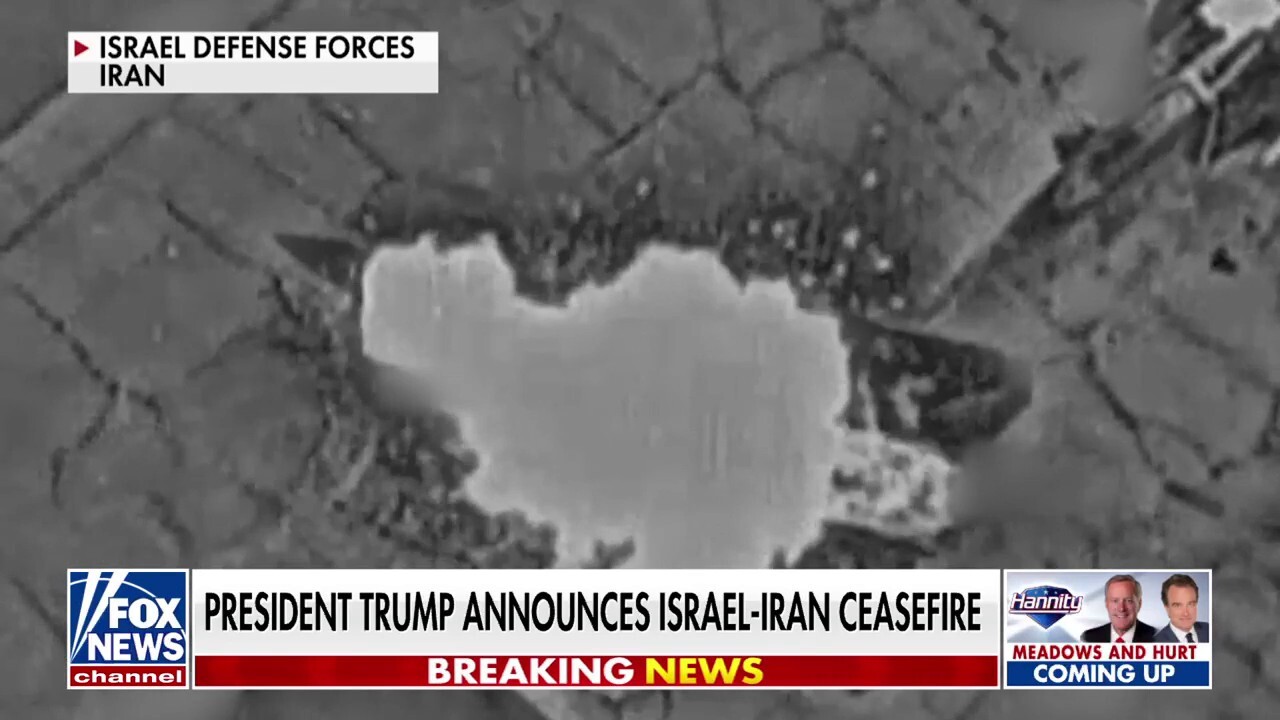
Negotiations continue between the United States and Iran, involving a group of regional mediators, regarding the possibility of a ceasefire agreement lasting 45 days. This step is part of intensive efforts aimed at permanently ending the ongoing war.
According to informed sources from the United States, Israel, and the Middle East, these negotiations represent an important opportunity to alleviate the ongoing conflict, which has resulted in significant human and material losses. Achieving a ceasefire agreement could contribute to restoring stability to the region and enhance dialogue opportunities among the concerned parties.
Details of the Negotiations
The current negotiations include provisions related to halting hostilities and providing humanitarian assistance to those affected by the conflict. Reports indicate that there is increasing international pressure on Iran to accept the terms of the ceasefire, amid concerns over the worsening humanitarian situation in the country.
Sources confirmed that the United States plays a pivotal role in these negotiations, seeking greater stability in the region, which aligns with its strategic interests. Additionally, there is interest from other countries in the region, hoping that this agreement will lead to improved security and economic conditions.
Background & Context
Historically, relations between the United States and Iran have seen increasing tensions, especially following the U.S. withdrawal from the nuclear agreement in 2018. Since then, hostilities between the two sides have escalated, exacerbating the situation in the region.
The current war in Iran is not new; it is the result of decades of political and economic strife. External interventions have fueled these conflicts, making it difficult to reach lasting solutions. Achieving a ceasefire agreement could represent a turning point in this complex context.
Impact & Consequences
If a ceasefire agreement is reached, it could open the door for broader dialogue between Iran and the United States, potentially contributing to the de-escalation of tensions in the region. Furthermore, this agreement could lead to improved humanitarian conditions in Iran, where the population suffers from the effects of the ongoing war.
Moreover, the success of these negotiations may encourage other countries in the region to take similar steps towards dialogue and understanding, contributing to greater stability in the Middle East.
Regional Significance
Developments in Iran have a direct impact on neighboring Arab countries, as any escalation in the conflict could lead to negative repercussions on security and stability in the region. Reaching a ceasefire agreement could help alleviate security concerns and enhance opportunities for regional cooperation.
Ultimately, hope rests on the success of these negotiations, as peace and stability in the region require joint efforts from all concerned parties. Achieving this goal could have positive effects on all countries in the region, including improvements in economic and social conditions.