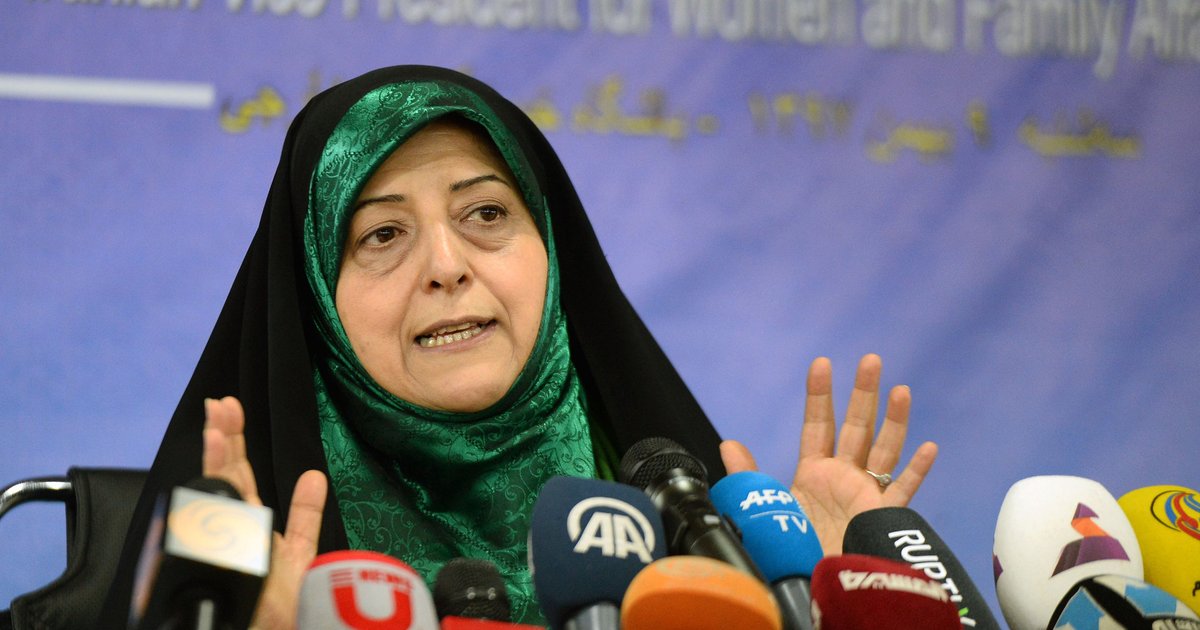
The U.S. Vice President stated in a press conference that the next few days will witness intensive negotiations concerning Iran, emphasizing the importance of these discussions given the ongoing tensions in the region. These remarks come at a critical time, as concerns grow over escalating crises linked to Iran's nuclear program.
The U.S. administration is seeking to revive negotiations with Tehran after a period of increasing tensions in relations between the two sides. The Vice President indicated that these negotiations may cover multiple issues related to regional security and Iran's nuclear program, reflecting the U.S. approach towards dialogue rather than military escalation.
Details of the Event
These negotiations come at a time when international relations are experiencing heightened tensions, as the United States aims to achieve stability in the region through negotiations with Iran. The Vice President noted that there are ongoing diplomatic efforts involving U.S. allies in the region, highlighting the importance of international cooperation in addressing security issues.
The Vice President also reaffirmed that the United States is committed to working with its allies to ensure that Iran does not acquire nuclear weapons, which is considered one of the main objectives of the upcoming negotiations. This point is crucial in any potential agreement, as the U.S. seeks to ensure that Iran does not pose a threat to regional and international security.
Background & Context
Relations between the United States and Iran have seen increasing tensions since the previous U.S. administration withdrew from the nuclear agreement in 2018. This withdrawal escalated tensions, as Iran resumed its nuclear activities, raising concerns within the international community.
Historically, there have been multiple attempts to reach an agreement with Iran, but these efforts have often faced significant obstacles. However, the current administration hopes to make progress by resuming negotiations, which could contribute to alleviating tensions in the region.
Impact & Consequences
If successful, the negotiations could lead to improved relations between the United States and Iran, potentially contributing to regional stability. However, failure to reach an agreement may escalate tensions, impacting regional security and increasing the likelihood of conflict.
These negotiations also serve as a test of the U.S. administration's ability to achieve its diplomatic objectives in the Middle East, where regional and international interests intersect in complex ways. Therefore, the outcomes of these negotiations could have far-reaching implications for regional policy.
Regional Significance
The negotiations regarding Iran directly affect Arab countries, as Iran is a key player in many regional conflicts. Any positive outcomes from the negotiations could reduce tensions in the region, contributing to stability.
On the other hand, ongoing tensions may heighten concerns among Arab nations, leading to strengthened regional alliances to counter potential threats. Thus, the results of these negotiations will be of significant interest to Arab countries.
In conclusion, negotiations regarding Iran remain a vital topic in international politics, with attention focused on the coming hours to see what these diplomatic efforts will yield.