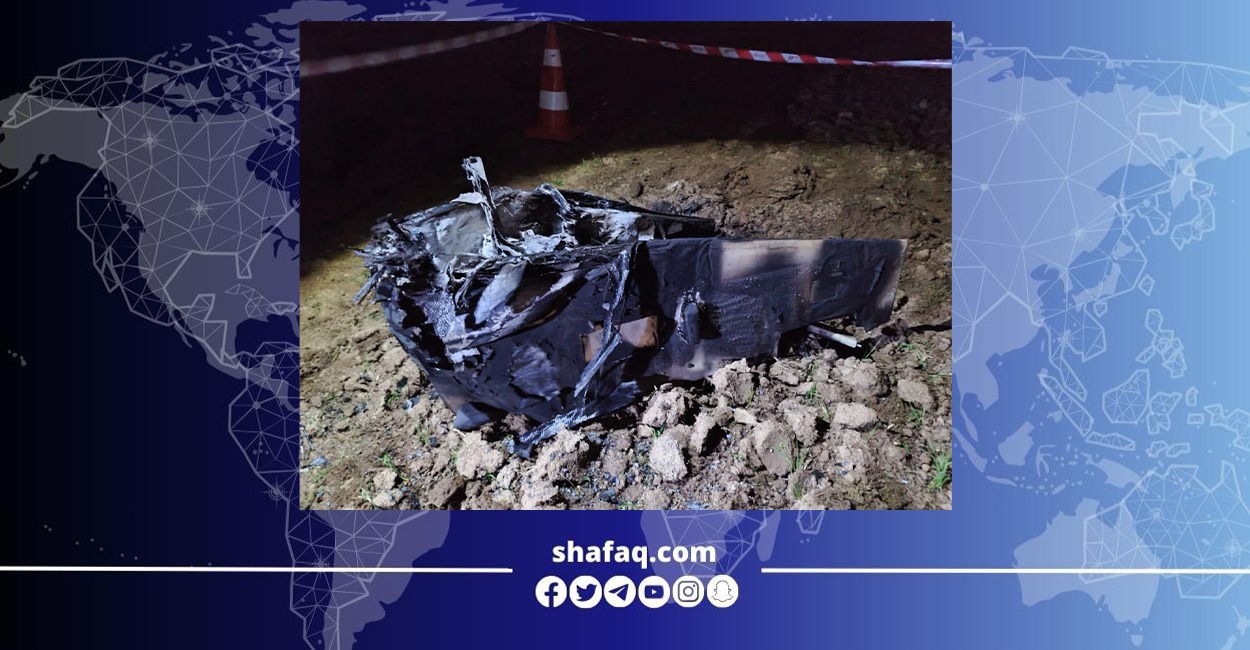
The Bahrain Defense Force announced on Wednesday that its air defense systems successfully intercepted and destroyed 153 missiles and 331 drones targeting the kingdom since the onset of Iranian assaults. These figures reflect the rising security threats facing Bahrain, necessitating an enhancement of its defensive capabilities.
These statements come at a sensitive time, as the region experiences escalating tensions, particularly with the ongoing Iranian military activities. The Bahrain Defense Force confirmed that these operations are part of its efforts to protect national security and regional stability.
Details of the Incident
In detailing the incident, the Defense Force clarified that its air defense systems have been continuously activated to counter aerial threats. Advanced technologies were employed to accurately detect and identify targets, contributing to the success of these interceptions. It was also emphasized that these operations were conducted in coordination with regional and international alliances, reflecting security cooperation in facing common challenges.
Reports indicate that these Iranian assaults involve the launch of missiles and drones from Iranian territory, complicating the security situation in the region. Bahrain has expressed its full readiness to confront any future threats, focusing on enhancing its defensive capabilities.
Background & Context
Historically, Bahrain has experienced numerous tensions with Iran, particularly amid the broader regional conflict between Tehran and Gulf states. Like other countries in the region, Bahrain has been susceptible to Iranian interventions, prompting it to bolster its military capabilities. These assaults may represent part of an Iranian strategy aimed at destabilizing Gulf nations.
In recent years, Bahrain has significantly developed its defensive capabilities through the acquisition of advanced systems from allied countries, aiding in its ability to counter threats. Cooperation with the United States and other regional nations has also contributed to enhancing regional security.
Impact & Consequences
These events are indicative of rising tensions in the region and could significantly impact relations between Bahrain and Iran. Such assaults are likely to escalate political tensions, necessitating international intervention to mitigate the escalation.
Additionally, these events may affect regional security, potentially prompting other Gulf states to enhance their defensive capabilities, thereby increasing the arms race in the region. Simultaneously, these tensions could lead to increased economic pressures on affected countries.
Regional Significance
At the level of the Arab region, these events reflect the security challenges facing Gulf states, necessitating a collective effort to address shared threats. These tensions could lead to changes in regional alliances, as countries may seek to strengthen security cooperation to tackle challenges.
The situation in Bahrain may also have implications for stability in neighboring countries, as any escalation could have broader repercussions in the region. Therefore, maintaining security and stability in Bahrain is vital for overall regional security.
In conclusion, Bahrain remains in a sensitive position requiring it to continue enhancing its defensive capabilities and cooperating with allies to confront increasing challenges. Countering Iranian assaults represents a top priority, necessitating constant vigilance and readiness to face any future threats.