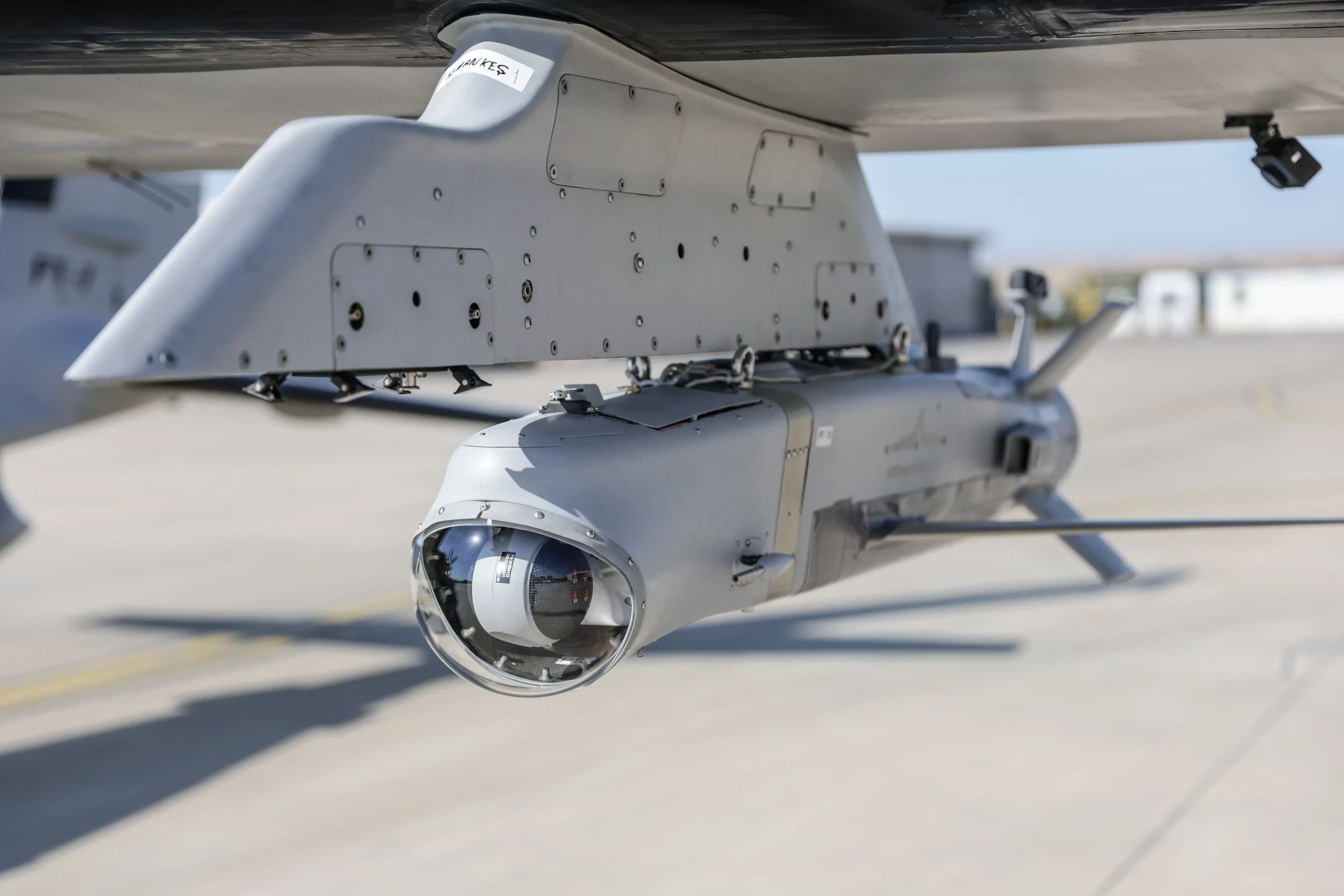
The armed forces in the Gulf region announced the interception of 188 missiles and 453 drones during their defensive operations. These operations occur at a sensitive time as regional tensions and threats from armed groups increase, necessitating enhanced security measures.
Reports indicate that these interceptions were made possible by the advanced defense systems possessed by the forces, which have proven effective in countering aerial threats. These operations also reflect a high level of coordination among Gulf states in addressing shared security challenges.
Details of the Incident
Recently, the Gulf region has witnessed a surge in missile and drone attacks targeting vital facilities and infrastructure. These interception operations were conducted as part of the armed forces' efforts to protect national security.
The defensive systems employed include advanced technologies such as modern radars and interceptor missile systems, enhancing the forces' ability to detect and identify targets in a timely manner. Reports have shown that most of the intercepted drones were carrying explosives, which would have posed a significant threat had they not been neutralized.
Background & Context
Historically, the Gulf region has experienced numerous armed conflicts and political tensions, making it one of the most sensitive areas in the world. For decades, there have been ongoing conflicts among regional states, leading to the strengthening of military capabilities among Gulf countries.
In recent years, threats from armed groups have increased, particularly amid conflicts in neighboring countries such as Yemen and Syria. These tensions have prompted Gulf states to enhance their military cooperation and develop air defense systems to face the growing challenges.
Impact & Consequences
These interceptions are an indicator of the Gulf armed forces' capability to protect their territories and interests. They also reflect the commitment of Gulf states to enhance their national security by investing in modern military technology.
These developments are expected to lead to increased military cooperation among Gulf states, potentially contributing to long-term stability in the region. However, the continuation of tensions may escalate conflicts, necessitating further vigilance and preparedness.
Regional Significance
These events hold significant importance for the Arab region as a whole, as the stability of the Gulf directly impacts the security and economy of neighboring countries. Any escalation in tensions could affect oil prices and financial markets, reflecting on the Arab economy in general.
Moreover, the enhancement of defensive capabilities in the Gulf may encourage other countries in the region to develop their military programs, potentially leading to a new arms race. Therefore, dialogue and cooperation among Arab states become essential to maintain security and stability in the region.