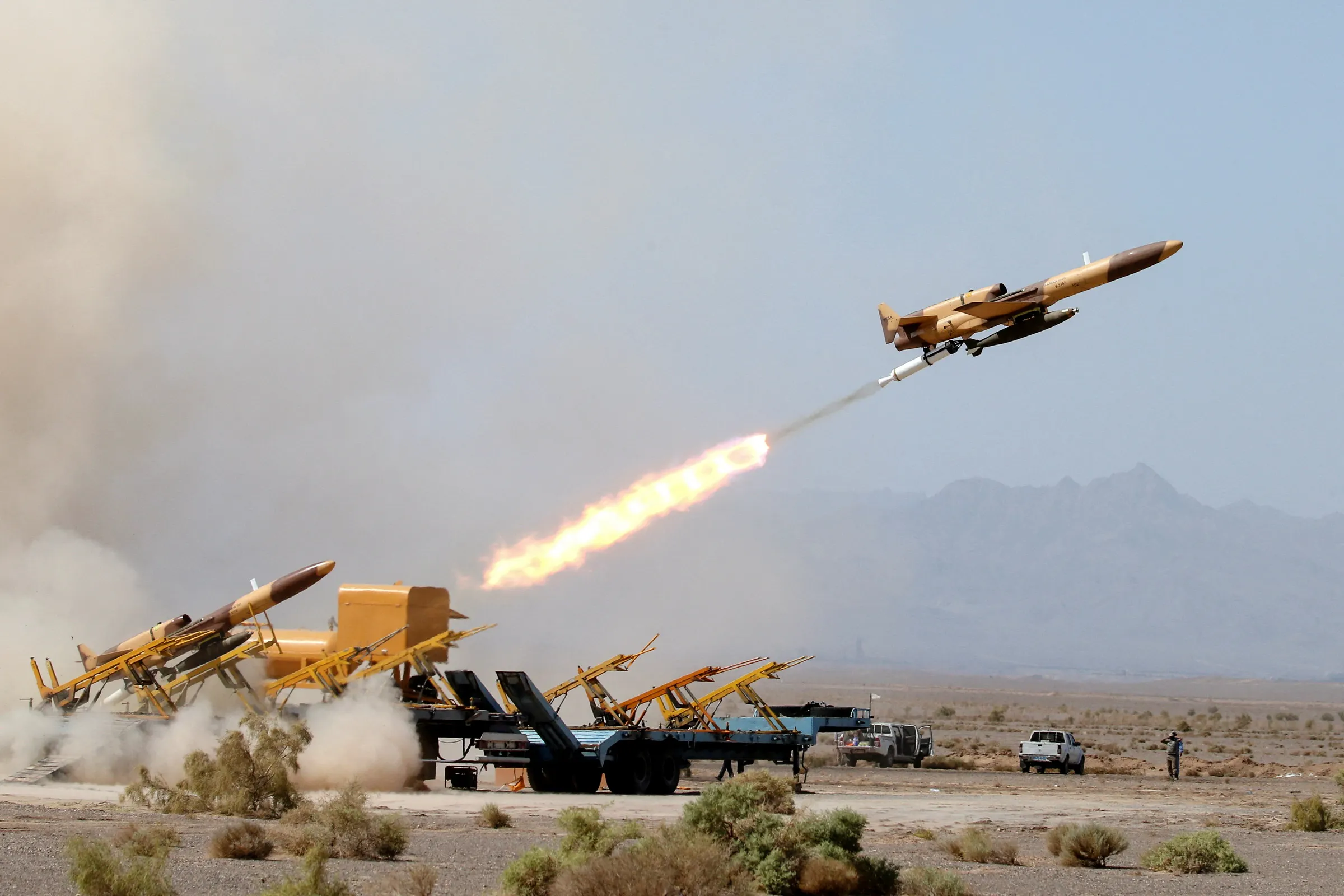
In a new escalation of regional tensions, the UAE's air defenses announced their success in intercepting 20 ballistic missiles and 37 drones launched from Iranian territory on March 28. This incident comes at a time when the region is witnessing increasing tensions, raising concerns about security and stability in the Arabian Gulf.
According to reports, the attack on the UAE is one of the largest assaults intercepted in recent years, reflecting Iran's capability to launch long-range strikes. The UAE's Ministry of Defense confirmed that all missiles and drones were destroyed before reaching their targets, demonstrating the effectiveness of the UAE's air defense system.
Details of the Incident
The intercepted attacks were targeting vital installations in the UAE, highlighting the ongoing threats the nation faces from Iran-backed groups. Experts noted that these attacks could be a reaction to increasing international pressure on Tehran, especially amid sanctions imposed due to its nuclear program.
These events come at a sensitive time, as the region is experiencing diplomatic movements aimed at easing tensions, but the recent attacks indicate that Iran remains capable of executing complex military operations. The UAE has shown its ability to counter these threats, bolstering its security posture in the region.
Background & Context
Historically, relations between the UAE and Iran have been marked by ongoing tensions, especially following Iran's occupation of the three UAE islands: Greater Tunb, Less Tunb, and Abu Musa in 1971. Since then, the UAE has sought to reclaim its sovereignty over these islands while Iran continues to bolster its military presence in the Gulf.
In recent years, Iran has increased its use of drones and missiles as part of its military strategy, making it a direct threat to Gulf states. These tensions have contributed to strengthening military cooperation between the UAE and other countries, including the United States, which provides technical support to the UAE's air defense system.
Impact & Consequences
The recent attacks could lead to greater military escalation in the region, as the UAE may respond by enhancing its defensive capabilities or even taking military action against Iranian sites. This potential escalation could drag the region into a cycle of violence, affecting regional stability.
Moreover, these events could impact the UAE's economy, particularly in the tourism and investment sectors, as investors and tourists may hesitate to visit a country experiencing security tensions. Additionally, military escalation could affect oil prices, reflecting on the global economy.
Regional Significance
The UAE is considered one of the key Arab states in the Gulf, and any military escalation could directly affect neighboring countries. Other Arab nations may find themselves in a difficult position, needing to take a clear stance regarding the tensions between Iran and the UAE.
At the same time, this escalation could strengthen Arab alliances against Iranian threats, contributing to the formation of a common security policy in the region. Recent events may also prompt Arab countries to enhance their military and intelligence cooperation to address increasing security challenges.
In conclusion, the recent events in the UAE serve as a reminder of the complexity of the security situation in the region, requiring Arab nations to take effective steps to ensure their security and stability.