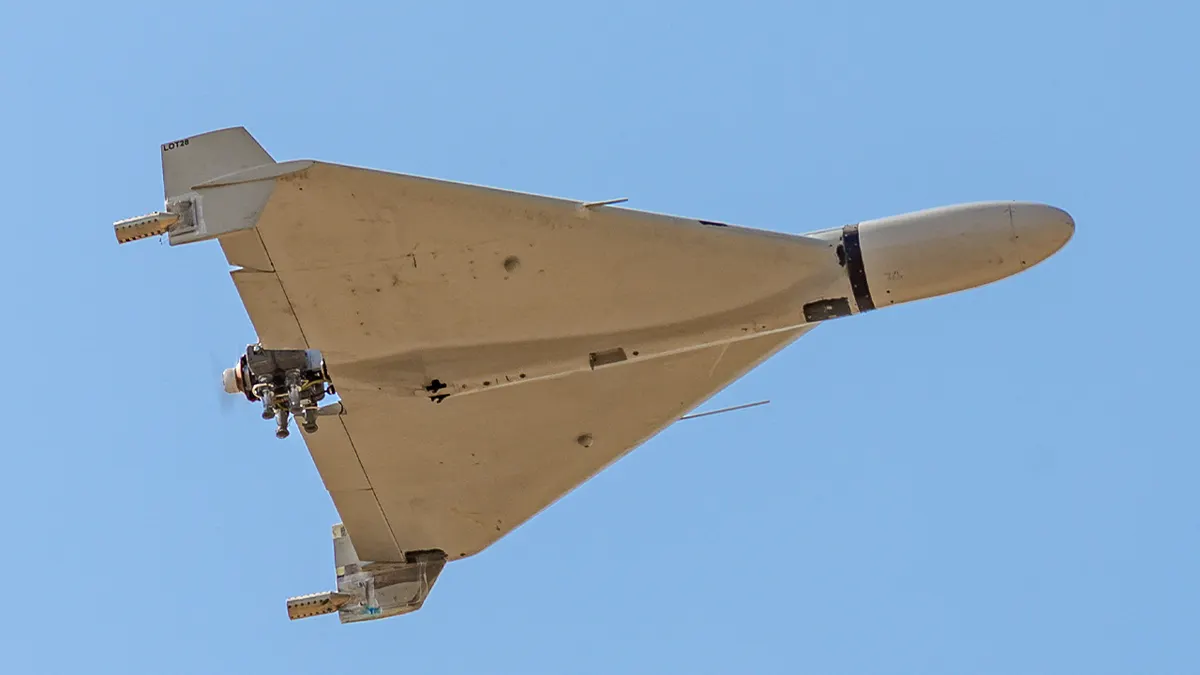
The Saudi Ministry of Defense announced the successful interception and destruction of seven drones in recent hours, as part of its efforts to protect national airspace. This announcement comes amid increasing security threats in the region, reflecting the Kingdom's readiness to confront any potential threats.
This operation is part of the ongoing efforts by the Saudi armed forces to safeguard the skies and national interests. The ministry confirmed that these drones were targeting Saudi territory, necessitating immediate action to counter them.
Details of the Incident
According to official statements, the interception and destruction operations were executed using the advanced air defense systems possessed by the Kingdom. The drones were detected before entering Saudi airspace, allowing the air force to intervene swiftly. These operations reflect the efficiency of the Saudi armed forces in dealing with aerial threats.
No additional details have been disclosed regarding the source of the drones or the entity behind their launch. However, regional tensions suggest the possibility of hostile parties seeking to destabilize the Kingdom.
Context and Background
This incident occurs amidst escalating tensions in the Middle East, where many countries face threats from armed groups using drones as a means of attack. In recent years, there has been an increase in the use of this technology in conflicts, making it essential to enhance air defense capabilities.
Saudi Arabia, one of the largest countries in the region, faces multiple security challenges, including attacks from Houthi groups in Yemen, which have utilized drones in their assaults against Saudi territory. Therefore, strengthening air defenses is a top priority for the Kingdom.
Impact and Consequences
These operations could affect regional stability, as they reflect Saudi Arabia's ability to protect its territory and interests. They may also lead to heightened tensions with hostile parties, prompting the Kingdom to take additional measures to enhance its security.
Furthermore, the success of these operations may bolster the Kingdom's position in international forums, as it could be viewed as a model for the capability to counter security threats. This could contribute to strengthening security cooperation with other countries facing similar threats.
Impact on the Arab Region
This incident serves as evidence of the security challenges faced by Arab countries amid the increasing use of drones in conflicts. It necessitates that Arab nations enhance their defensive capabilities and cooperate with one another to confront these threats.
Additionally, these events may impact relations between Arab countries and major powers, as nations may seek to strengthen their security partnerships to address common challenges. In this context, there may be an urgent need to develop joint strategies to confront the growing security threats.
In conclusion, Saudi Arabia's efforts to protect its airspace and national interests remain a significant focus, reflecting the increasing security challenges that necessitate the enhancement of defensive capabilities and regional cooperation.