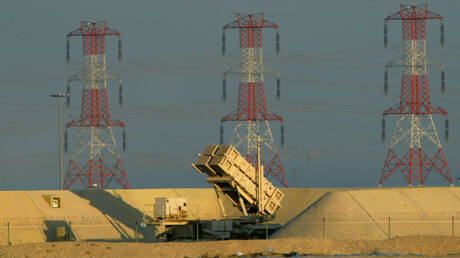
Saudi air defenses successfully intercepted and destroyed eight ballistic missiles that targeted the capital, Riyadh, and the Eastern region. This was confirmed in an official statement from the spokesperson of the Ministry of Defense, reflecting the efficiency of the kingdom's defense system and its ability to protect its territory from external threats.
This operation is part of the kingdom's ongoing efforts to enhance its national security, especially amid rising regional tensions. The spokesperson noted that the missiles were launched from areas outside the kingdom, but the responsible party for this attack has not been identified.
Details of the Incident
Late last night, Saudi air defenses detected unusual activity in the skies, prompting the air force to mobilize to counter these threats. The Ministry of Defense confirmed that all missiles were successfully intercepted, with no damage or injuries reported among civilians.
This attack comes at a sensitive time for the kingdom, as regional tensions are escalating, particularly with the ongoing conflicts in Yemen and increased military activities by armed groups. The kingdom has demonstrated its capability to effectively counter such threats, thereby strengthening its security position in the region.
Background & Context
Historically, Saudi Arabia has witnessed several missile attacks, particularly from the Houthi group in Yemen, which uses missiles as a means to pressure the Saudi government. These attacks have led the kingdom to develop an advanced air defense system, such as the Patriot system, which has proven effective on numerous occasions.
These events are part of a broader conflict in the region, where regional and international interests intersect, complicating the security situation. The kingdom, regarded as a major regional power, continually seeks to maintain its stability and security in the face of increasing threats.
Impact & Consequences
The success in intercepting these missiles reflects the strength of Saudi air defenses and boosts citizens' confidence in the government's ability to protect their land. Additionally, this event may impact regional relations, potentially escalating tensions between the kingdom and the entities behind these attacks.
The kingdom is likely to seek to strengthen its alliances with other countries to confront shared threats, which may lead to changes in the political dynamics in the region. Furthermore, this incident could contribute to increased investments in defense and security, highlighting the importance of these issues in Saudi policy.
Regional Significance
These events serve as a wake-up call for other Arab countries, emphasizing the need to enhance defense systems and security cooperation among nations. The escalation of tensions may also affect economic and social stability in the region, prompting Arab nations to take proactive measures to protect their interests.
In light of these circumstances, Arab states must work together to address common security challenges and enhance cooperation in defense and security fields to ensure regional stability in the future.
In conclusion, the success of Saudi air defenses in countering these attacks reflects the kingdom's commitment to its security and stability. As regional tensions continue, the question remains as to how Arab nations will address these shared challenges.