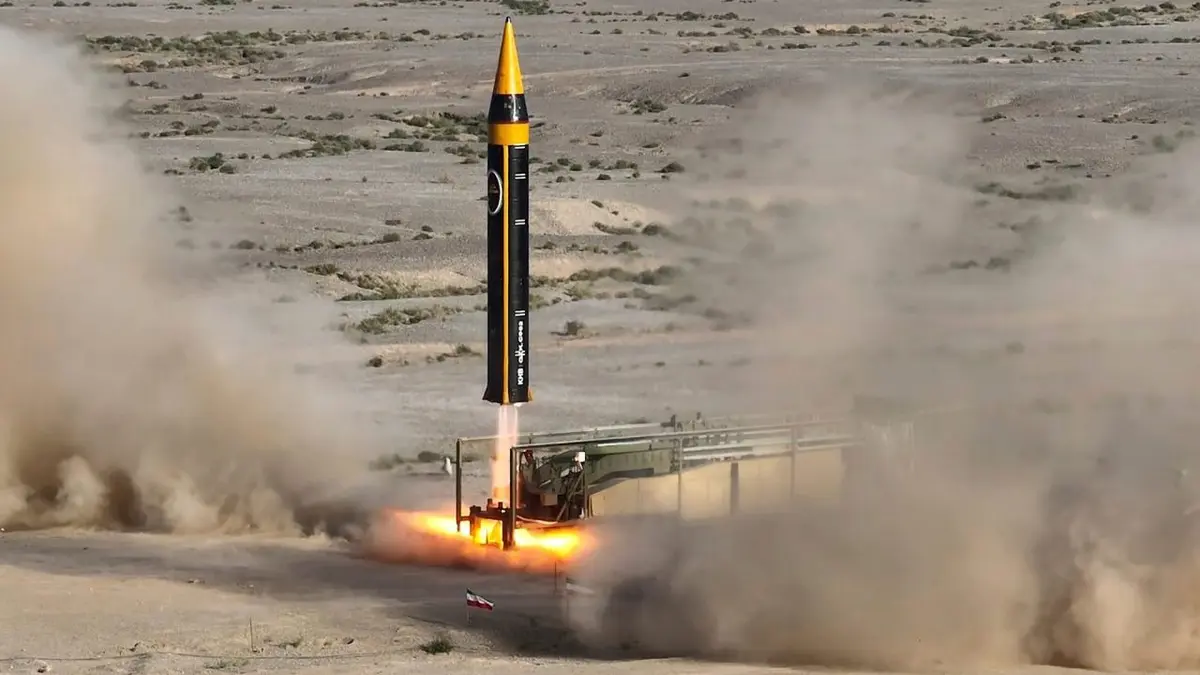
The armed forces successfully intercepted a missile launched from Iran, reflecting the effectiveness of air defenses and their ability to counter potential threats. This interception is part of ongoing efforts to protect national security and enhance stability in the region.
The missile interception showcases a high level of readiness and preparedness among the armed forces, as the missile was detected early in its launch phase. This operation takes place during a time of increasing global tensions between Iran and regional countries, underscoring the importance of such defensive operations.
Details of the Incident
The missile was launched from Iranian territory late at night, where the armed forces managed to detect it at an early stage of its launch. The air defense system was activated swiftly, leading to the successful operation with minimal damage reported. This interception reflects the technological advancements achieved by the armed forces in the field of air defense.
This operation occurs against a backdrop of escalating tensions in the region, where Iranian military activities are on the rise, necessitating vigilance and preparedness from neighboring countries. These events have raised concerns among many nations, increasing the importance of regional security cooperation.
Background & Context
Historically, the region has witnessed numerous tensions between Iran and neighboring countries, with mutual accusations regarding support for armed groups and the use of advanced weaponry. In recent years, Iran has intensified its military capabilities, raising alarms among neighboring states.
In this context, interception operations like this one are essential to ensure security and stability. The armed forces have demonstrated their capability to effectively handle threats, enhancing confidence in their defensive capabilities.
Impact & Consequences
These events could lead to heightened tensions in the region, as Iran may respond to these operations in various ways. Additionally, the success of the armed forces in intercepting the missile may strengthen their position in regional and international negotiations.
Furthermore, these operations could affect relations between countries, as some may seek to enhance their security cooperation to address common threats. These events may also lead to increased military spending in the region, potentially impacting local economies.
Regional Significance
These events hold particular significance for the Arab region, reflecting the ongoing threats faced by Arab nations from various fronts. Strengthening defensive capabilities is essential to ensure security and stability.
Moreover, these events may prompt Arab countries to bolster security cooperation among themselves, contributing to the formation of new alliances to tackle shared challenges. The swift and effective response to these threats highlights the importance of military readiness in maintaining national security.
In conclusion, the success of the armed forces in intercepting the Iranian missile marks an important step towards enhancing security and stability in the region, reflecting the ability of nations to counter threats. The current situation requires increased vigilance and cooperation among countries to address future challenges.